by Sadaket Ali Malik
Dagan Top in Doda is a pristine high-altitude site rich in culture and natural beauty, offering immense potential for sustainable, community-driven tourism.
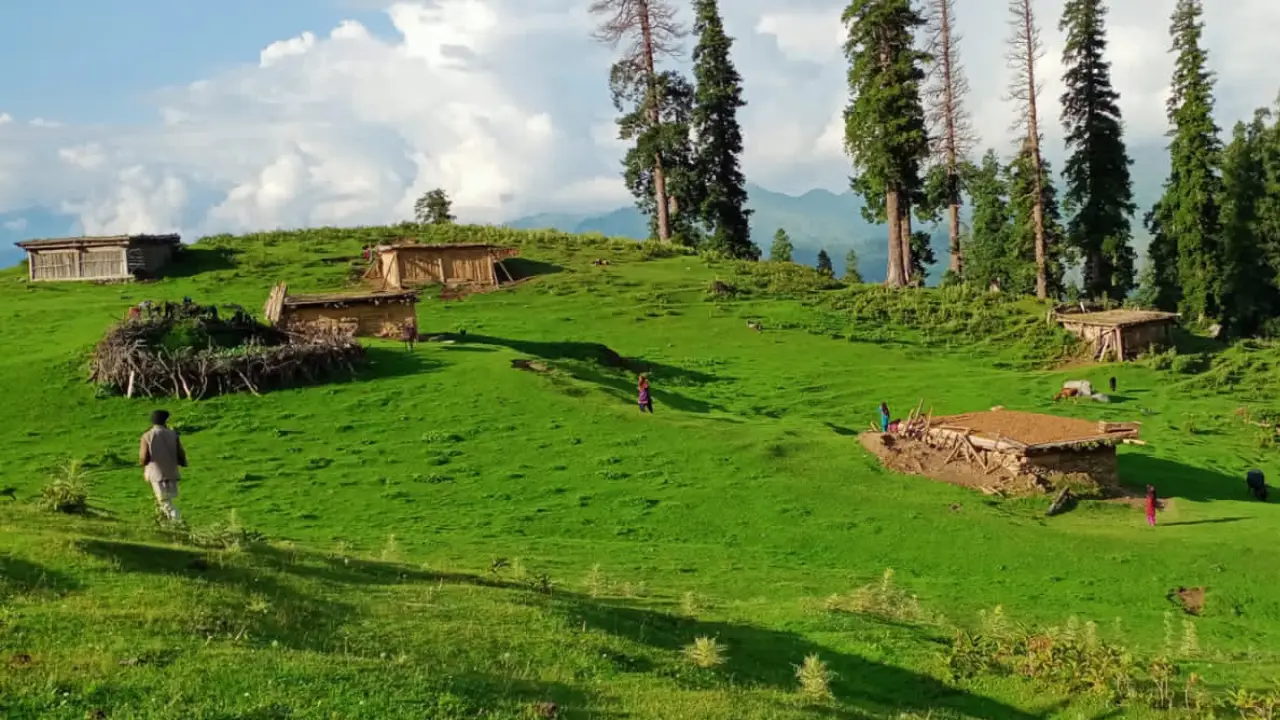
Dagan Top, a lofty, snow-clad marvel nestled in the Gandoh region of Jammu and Kashmir’s Doda district, is emerging as one of the most compelling offbeat destinations in the Union Territory. Surrounded by pine-laden slopes, snow-bound meadows, and a vibrant nomadic culture, Dagan Top remains largely unknown to the mainstream traveller, yet holds immense promise for sustainable tourism.
Perched high within the breathtaking heights of Bhalessa, near the village Panchayat of Gingota, Dagan Top is a natural viewpoint offering sweeping vistas of Chamba and Doda. It serves as a nodal spot surrounded by enchanting sites such as Gamgul, Shinkri, Makan, and Chasool along the flanks of the Rohari meadows. On the other side lie Mandral, Jawali, and Talaie, favoured by trekkers and mountaineers for their rugged terrain and scenic allure.
Currently, the area comes alive in summer with the arrival of Pahari communities, ethnic Kashmiris, Gujjars, and Bakkerwals who move in with their cattle for traditional grazing. These seasonal dwellers turn the meadows into living landscapes of pastoral life. The area is thick with coniferous trees, and the cultural richness of the nomadic tribes—rooted in tradition and harmony with nature, adds unmatched authenticity to any visit.
Though underdeveloped in terms of tourism infrastructure, Dagan Top offers a raw, untouched experience. With villages like Alni Gingota, Kota, Ghati, Bunencha, and Kakoti forming the lush green perimeter, the region remains unspoiled by commercial tourism. There is, however, no dedicated road to Dagan. Travellers must journey via the Kilhotran-Changa road from Doda, pass through Kota-Bonencha, and then proceed by foot or horse, available on demand. Despite the logistical challenge, the trip is an adventure in itself.
What distinguishes Dagan Top is not just its natural beauty but its potential to serve as a model for community-driven, eco-conscious tourism. Lieutenant Governor Manoj Sinha’s recent push for integrating offbeat sites into the broader tourism map of J&K adds urgency to the case for Dagan. The area’s remoteness could become its greatest asset, drawing travellers seeking tranquillity, cultural immersion, and unfiltered encounters with the natural world.
Its cultural fabric, defined by nomadic grazing traditions, seasonal settlements, and oral folklore, offers an immersive experience that most established hill destinations can no longer provide. Grazing practices and the slow rhythm of rural life are not staged performances here; they are part of the living, breathing identity of the region.
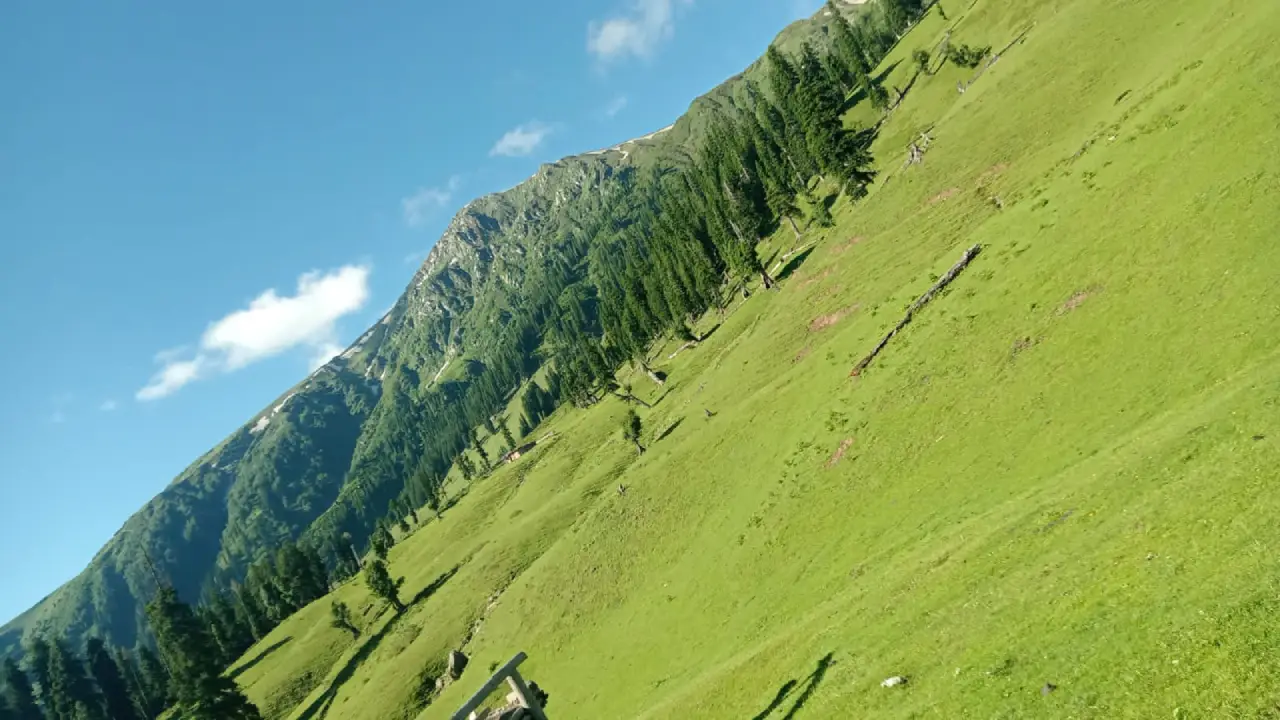
Snowfall transforms Dagan into an ethereal destination for winter enthusiasts. The meadows are blanketed in snow, creating opportunities for snow treks and nature photography. The snow-crusted silence, broken only by wind or crunching footsteps, enhances the solitude and sensory beauty of the place.
However, winter also brings challenges. The lack of infrastructure, no tourism reception centre, inner access roads, or shelter facilities, makes Dagan a tough destination to sustain beyond the few who venture out with meticulous planning. The pressing need is to bring the area under government tourism schemes while keeping preservation at the heart of development.
The preservation of Dagan’s unique ecology and cultural integrity will depend on local involvement, carefully crafted policy, and sustainable infrastructure such as eco-trails, viewing decks, and minimal-impact lodging. Involving villagers and nomadic groups in this transformation could offer them new livelihood opportunities while cultivating guardianship of their natural heritage.
For now, Dagan Top remains a question and a promise. A question to policymakers: Can such a pristine place be introduced to tourism without being consumed by it? And a promise to travellers, of silence, snow, song, and sky, waiting in one of Jammu and Kashmir’s least discovered corners.