by Dr Suheel Rasool Mir
Drass’s strategic legacy often overshadows its Shina, Balti and Purgi heritage, but cultural revival, community participation and sustainable tourism could reshape its future.
Drass, also known as Himababs, Hembabs, or Humas, signifies a land of winter, a place known for its harsh climate and heavy snowfall. Historically rich and strategically significant, Drass has etched its name in India’s political and nationalist history, particularly because of the 1999 Kargil War. Yet, beyond its geo-strategic significance, Drass possesses a remarkable cultural and historical composition. It is home to diverse ethnic communities, including the Shina, Balti and Purgi, along with the Kashmiri-speaking village of Maiteyen.
The uniqueness of Drass lies in its territorial identity. Situated at a critical point between Gilgit-Baltistan on one side and Kashmir and Leh on the other, Drass occupies an important place in India’s national, historical and geographical discourse. Once known primarily for its vibrant trade route connections, the region is now emerging as a prominent tourist destination, attracting visitors from different parts of the country.
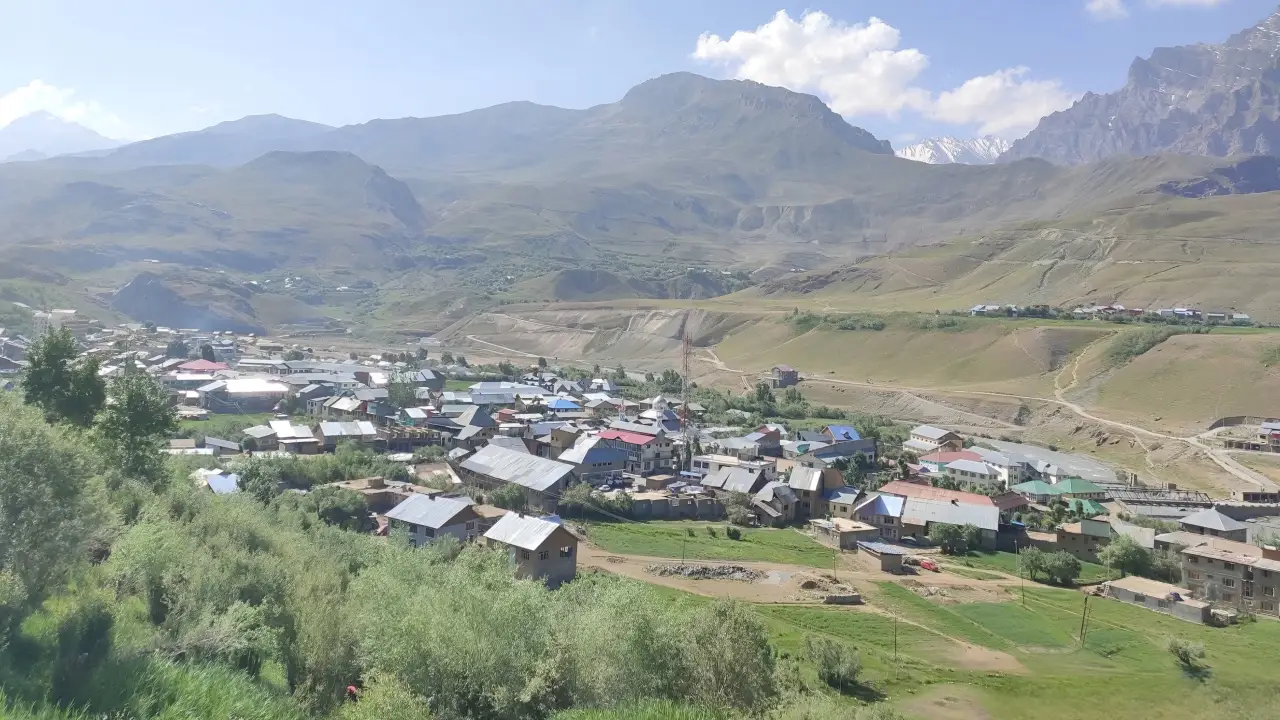
Drass attained district status only recently and is gradually opening itself to new opportunities and possibilities. Since 2013, I have travelled frequently across Shina-inhabited regions and villages of Jammu and Kashmir and Ladakh. Through these research journeys, I have found Drass to be one of the core regions where ancient Shina culture and language continue to thrive and are cherished by the Shina-speaking community. The region has produced prominent Shina writers and poets who are preserving, continuing and transmitting this ancient cultural legacy to younger generations.
Whenever the word Drass comes to mind, the role of the Union Territory administration cannot be overlooked. From skill-development centres and educational initiatives to cultural and community-oriented programmes, the administration has played an important role in the region. In recent years, the district administration of Drass, along with the local population, has also been actively involved in environmental protection and awareness. These efforts are helping to educate people about environmental concerns and sustainable opportunities for the future.
The role of the District Administration, Drass, is significant. The administration is not merely governing the region; it is also building a mutual and symbiotic relationship with the community, thereby strengthening the interface between administration and people. From literary festivals to cultural celebrations, Drass is increasingly becoming a beacon for the promotion and revival of the cultural and traditional roots of Shina, Balti and Purgi heritage.
From the Patriotic War Memorial to the remote villages of Drass, one can immerse in an atmosphere where history, nationalism and culture coexist. The region demonstrates how Drass has preserved and balanced both its nationalistic identity and its rich cultural heritage. This ethos is also expressed through local music. The Humas Music Band of Drass, for instance, celebrates its love and affection for the nation and their culture through songs performed in the Shina language, giving patriotic expression a distinctly local cultural voice.
Drass is often described as one of the coldest inhabited places on Earth, yet it is a land of exceptionally warm-hearted people who continue to cherish and celebrate their cultural legacy with great enthusiasm. Beyond its cultural richness, Drass once served as an important transit point along trade routes connecting the region with Gilgit, Skardu, Central Asia and Kashgar. The memories of these historic connections remain embedded in its landscape, traditions and collective consciousness. Today, Drass is aspiring to reclaim its rightful place on the national cultural and tourism map.
Whenever I visit Drass, I am reminded of courage, resilience and social adaptation. The people of Drass have developed a remarkable relationship with their challenging topography, demonstrating how geography can profoundly influence social life, culture and human behaviour. The interplay of geography, culture and history makes Drass a unique vantage point for travellers—one where they can experience the cold landscape while also discovering the everyday lives, traditions and experiences of the Shina people.
For travellers journeying from different parts of the country towards Ladakh, Drass is often the first major point of contact, marked prominently by its prestigious War Memorial. Yet what makes Drass particularly fascinating is its rich cultural past, much of which remains unexplored and underrepresented. With a strong sense of coordination and partnership between the district administration and the people, the region is actively reviving its ancient heritage through local Shina music, dance, festivals and community participation.
The District Administration, Drass, has demonstrated how cultural festivals and community activities can become powerful instruments of public engagement. Culture can create spaces of dialogue, strengthen trust and develop a deeper bond between administration and society. This approach reflects a form of decentralisation in which governance reaches from the administrative level to the grassroots through shared cultural emotions and collective identity.
A recent cultural festival organised by the District Administration, Drass, brought together local artists, sportspersons, environmentalists, literary figures and schoolchildren. Community members, both men and women, were encouraged to participate, learn about their roots and celebrate their shared heritage. Such initiatives demonstrate how administration and community can work together to make Drass more culturally vibrant, socially cohesive and resilient.
The participation of the people also inspired the District Development Commissioner, Drass, to actively join the community in singing and celebrating local culture. As a student of sociology, I observed a powerful example of how culture can become an instrument of governance and how an administration can reach the grassroots not merely through policies and programmes, but also through the cultural emotions, memories and identities of its people.
Drass has enormous potential to become a distinctive and vibrant cultural face of Ladakh. The need of the hour is to open and explore the heritage treasure of Drass—to document its oral traditions, language, music, rituals, architecture, trade memories, folk practices and indigenous knowledge. I am hopeful that this cultural treasure will not only attract the Shina community within India but may also contribute to a wider understanding of the historical and cultural connections of the Shina people across the region.
With thoughtful planning and the active participation of local communities, Drass can emerge as a model heritage destination for the Shina people and play an important role in restoring and documenting their historical legacies.
The Union Territory of Ladakh can further develop sustainable models around Drass by promoting cultural tourism, military tourism and sustainable landscape tourism. Such initiatives can create meaningful livelihood opportunities for local communities while simultaneously protecting the fragile ecological and cultural landscape of the region.

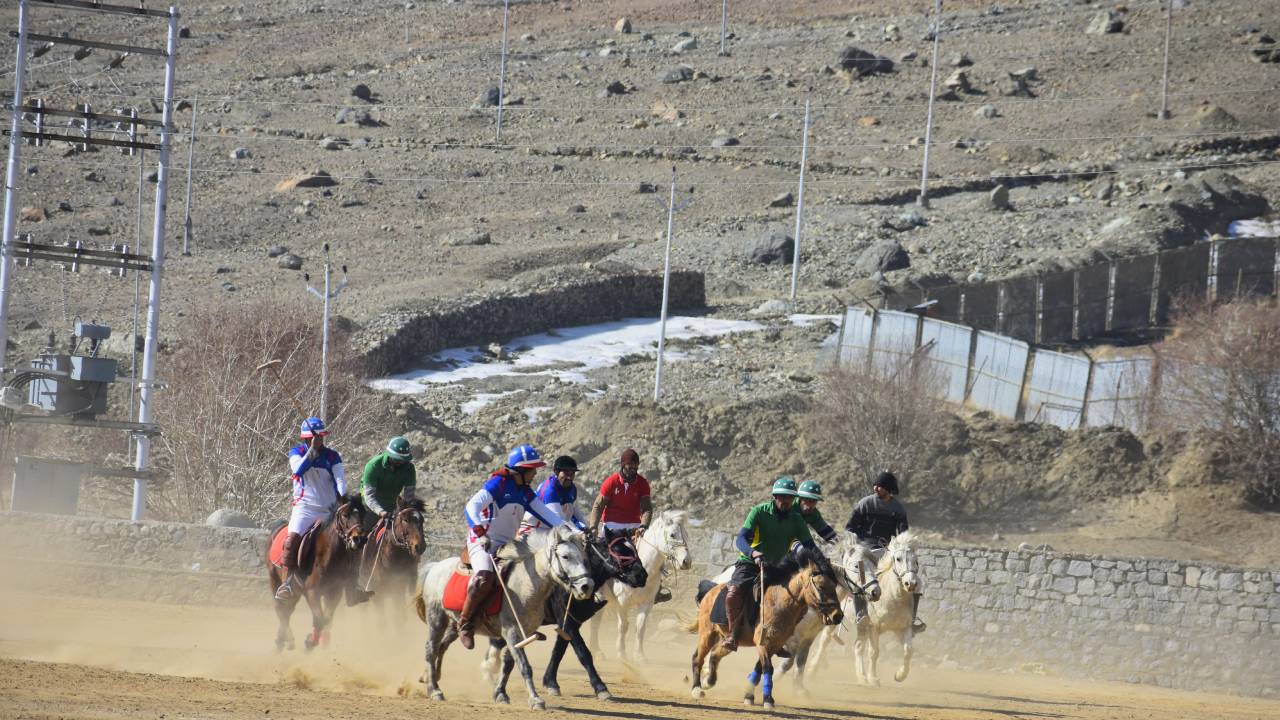
From the perspective of cultural diplomacy, Drass also possesses the potential to emerge as a significant Shina heritage region of India. Its cultural landscape offers opportunities to rediscover and restore the socio-historical legacy of the Shina people. The region carries elements of a rich cultural continuum—from everyday social rituals and traditional practices to music, dance and the enduring tradition of horse polo.
What Drass needs today is not merely development, but a collective effort to rediscover, document and revive its heritage by bringing together the administration, local communities, scholars, artists, writers, cultural practitioners, tourism stakeholders and younger generations.
(Author of the Cultural Encyclopedia of the Dard Tribe, Suhail is a trained sociologist. Views expressed are personal.)