by Dr Suheel Rasool Mir
How Gurez Valley’s centuries-old farming and livestock traditions are adapting to tourism, development and a rapidly changing landscape.
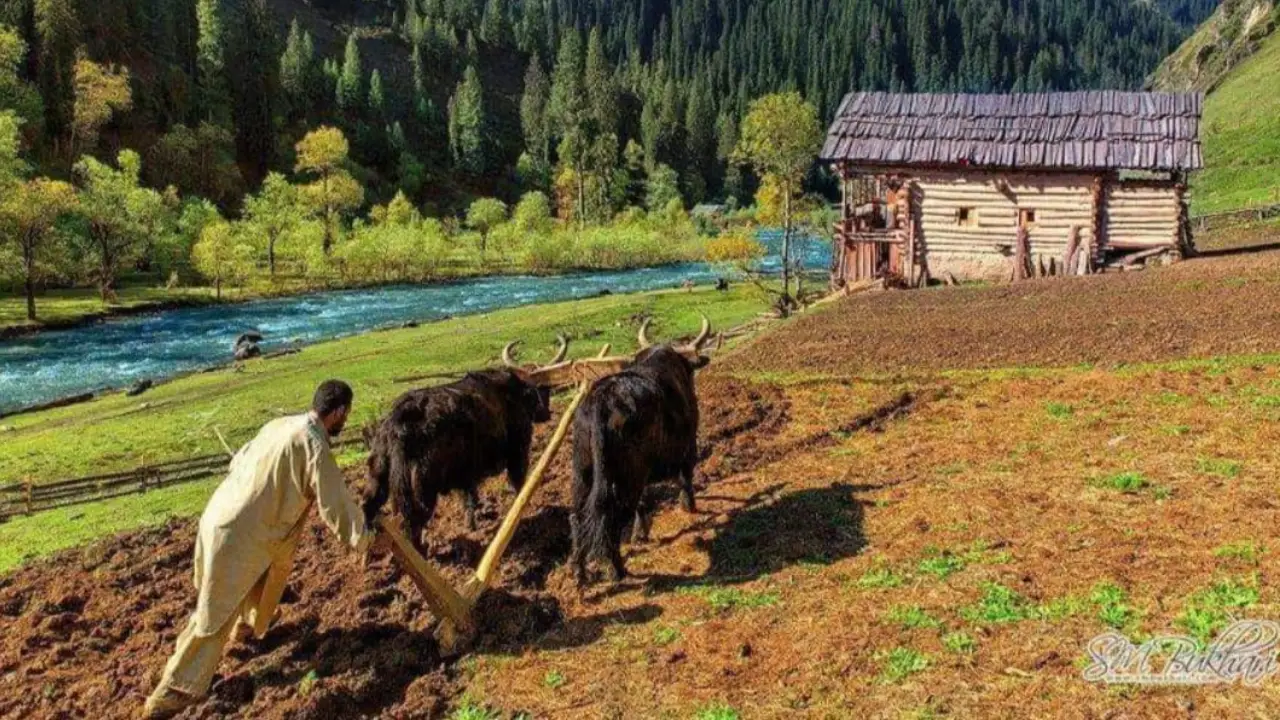
Gurez Valley, popularly known as go-hara (cow pasture), serves as a guardian of the ancient and rich Dard-Shina heritage, providing a nurturing environment for age-old, unique customs, rituals, and traditions. It is a living historical valley where traditions are not static relics but living practices that evolve with time. The valley is a crossroads where the past and present intersect beautifully and foster a deep value for traditions.
Gurezi people have a unique way of life; most of the people are involved in agricultural activities like sheep rearing and farming. Gurez, apart from its rich civilisation, also has a rich agrarian structure. The valley is known for its mixed cropping, which includes the cultivation of potato, maize, wheat, barley, pulses, millet, buckwheat and cumin. Cumin cultivation is a common agricultural practice in the region.
Kashmir’s Potato Basket
Agriculture in Gurez is primarily subsistence-based and is heavily influenced by the region’s challenging geography, including high mountain terrain and harsh climatic conditions. Traditional farming practices have been adapted to make the most of the limited arable land and short growing seasons. Additionally, the farmers of Gurez prefer organic farming instead of using chemicals and pesticides. Agriculture in Gurez Valley is characterized by organic subsistence farming, a prominent feature of hill agriculture.
The Gurez Valley and its sub-tehsils, including Dawar, Bagtore and Tulail, are known for the production of organic potatoes. Potatoes are the main crop, followed by other crops cultivated on high-altitude lands. Being one of the prime valleys for the production of high-quality potatoes, Gurez Valley is also known as “The Potato Basket of Kashmir”.
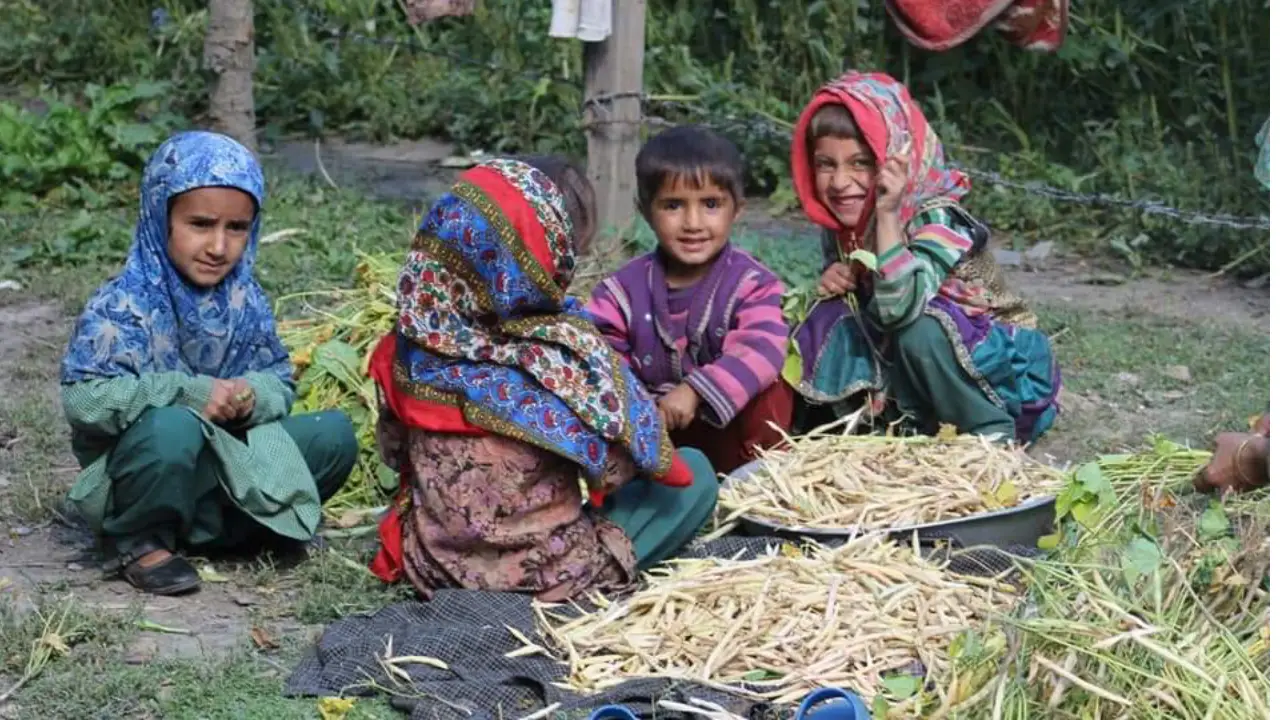
In Gurez Valley, agricultural practices are vital for the sustenance of the local population. The region’s geography and climate influence the choice of crops grown. The major crops cultivated in Gurez Valley include barley and wheat, which are staple grains and crucial sources of carbohydrates in the local diet. Potatoes and turnips are common vegetables that thrive in the region’s conditions and are important for local consumption. The valley also boasts a variety of fruits, including apples and walnuts, which not only provide essential nutrition but also contribute to the local economy.
Agriculture is the backbone of the community, providing sustenance and livelihoods, and these crops form the foundation of food security. The Gurez Valley’s agriculture reflects the community’s resilience and adaptability to the challenging mountainous terrain and climatic conditions of the Himalayas.
The Organic Farming
The name by which the people of Gurez call their valley is go-hara (cow pasture), not “Gurez”. Because of its rich pastures, Gurez supports cattle and sheep in large numbers. Traditionally, the people of Gurez sold their milk, meat and wool in the plains of Kashmir and purchased grains with the money they earned. Forest products act as a prime resource, providing ample direct and indirect benefits to the people of Gurez Valley.
Agriculture and livestock have been the main sources of income in the past and remain the principal sources of income in Tulail of the Gurez region. Earlier, people were completely dependent on agricultural produce and worked on their fields using handmade tools, without advanced mechanized equipment.
Seasonal Farming: Due to the short growing season and harsh winters, farmers often plant crops in spring and harvest them in late summer. Some regions, like Tulail, have multiple cropping seasons depending on local conditions.
Preservation of food for the harsh winter months is important. Food items are often dried or smoked to ensure a year-round food supply. Food preservation methods, such as drying and smoking, are used to store crops and food products through the long, cold winters when fresh produce is scarce.
In Gurez Valley and Tulail, people bury freshly harvested potatoes before winter. The potatoes are buried under the frozen earth (Zuss) so that they remain fresh and usable for several months. Zuss (underground storage) consists of storage pits in the ground used for storing potatoes and other vegetables. It is also known as Khrav.
In Gurez Valley, local farmers still use the plough, Khon (an implement used to dig land), and Eataphot (an instrument used to break dry soil). In recent years, efforts have been made to introduce modern agricultural practices and technologies, including improved crop varieties and irrigation systems, to increase agricultural productivity and sustainability. Despite the challenges, the people of Gurez have developed a deep understanding of their local ecosystems and adapted their agricultural practices to thrive in this mountainous region. Agriculture remains a fundamental part of the local economy and way of life.
Pastoral Economy
The word livestock is an umbrella term used for domesticated animals raised in an agricultural environment with the intention of providing food, textiles, labour and fertile manure to their owners. The major livestock found are Dzombi, horses, cows, sheep, goats, oxen, donkeys and poultry.
In the past, donkeys and horses were used for carrying loads, while oxen were used for ploughing, a practice that continues today. No doubt, many areas are now connected by roads, and tractors can be seen in many fields, particularly in Dawar, reducing the burden on animals. However, this does not mean that animals have been completely replaced by modern machines. Animals are still used in areas that lack road connectivity.
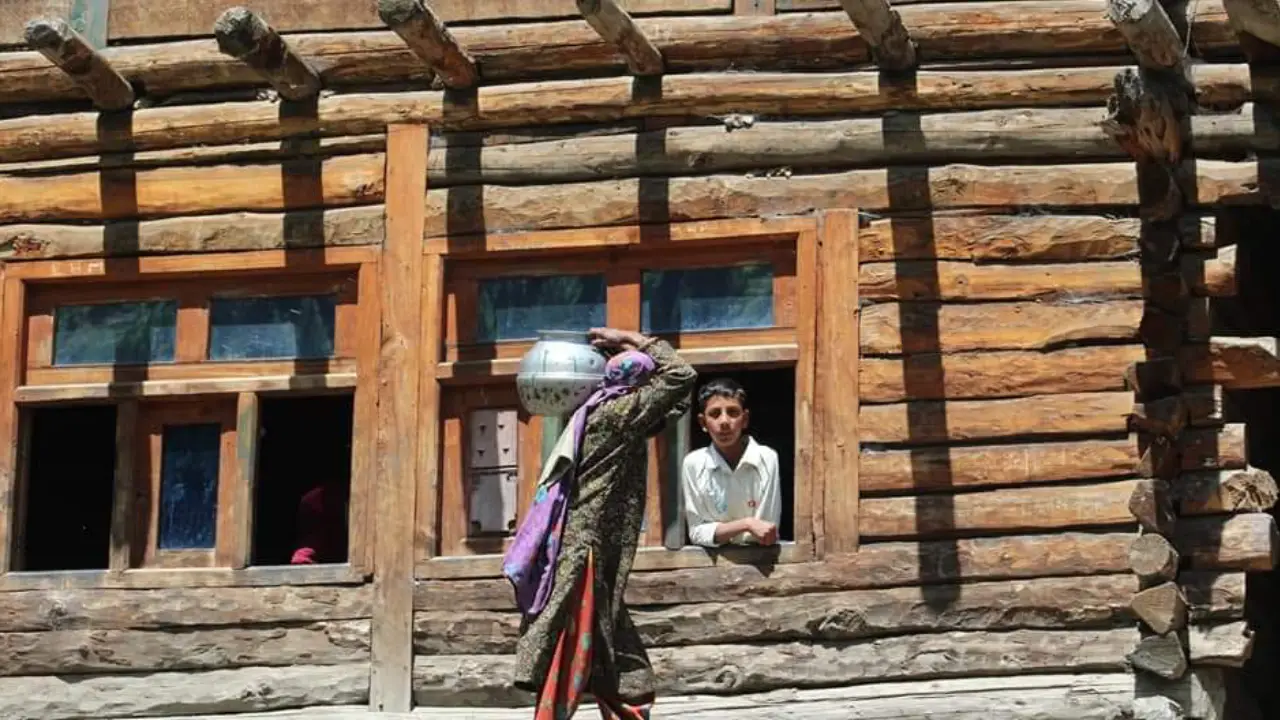
Animal husbandry is a crucial part of agriculture in Gurez. Livestock, including yaks, cows, sheep and goats, are raised for meat, milk, wool and agricultural purposes. Additionally, the Gurezi pony breed is closely related to the Zanskari pony breed. These ponies constitute one of the most important means of transportation in rugged, hilly terrain. They are known for their hardiness, adaptability to severe cold, and ability to carry heavy loads at high altitudes. They are used for various activities, including logistics and agricultural support.
Many people remain engaged in animal domestication and earn their livelihood by selling livestock. Since ancient times, numerous grinding mills have been in operation. These grinding machines are locally known as jandr and are used to grind maize, wheat and barley into flour.
Labour, Land and Gender
A division of labour can be observed among the men and women of Gurez. Most agriculture-related work is undertaken by women, including removing maize seeds from the cob and threshing barley and wheat.
Like agriculture, livestock management also involves a division of labour, although there is no rigid rule. However, livestock management is generally considered the women’s sphere. Men’s work often involves activities outside the household to earn income. In contrast, women carry out most of the remaining tasks, including carrying grass and heavy firewood logs, milking cattle, making butter and cheese, managing livestock, collecting fodder, watering cattle and cleaning cowsheds. Additionally, women in Gurez perform domestic household duties such as cooking, cleaning and caring for children and the elderly.
Gurez supports cattle and sheep in large numbers. Traditionally, the people of Gurez sold their milk, meat and wool in the plains of Kashmir and purchased grains with the money they earned. They rear sheep, which have long been a major source of live animals for the butchers of Kashmir.
Agriculture, animal husbandry and forest products are the main elements of livelihood for the people of Gurez Valley. Gurez in general, and Tulail Valley in particular, raise livestock of one kind or another, including Dzombi (crossbreeds), cows, oxen, sheep, goats and horses. Families move their livestock to nearby meadows at different altitudes according to the seasons. The minimum distance to pastures is generally 10–15 kilometres, and people move their livestock to high-altitude grazing lands.

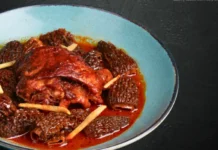
In Gurez Valley, meat, milk and milk products such as ghee, butter and cheese are commonly consumed. Dzombi, a crossbreed of yak and cattle, along with sheep and goats, are also reared for meat.
As Gurez transforms into one of India’s most picturesque off-road borderland tourist destinations, the risk of agricultural and ecological degradation grows. It is urgent to address these challenges and raise awareness about sustainability to prevent further loss of the region’s unique socio-ecological, agrarian and cultural heritage.
The rapid expansion of concretization and the changing social landscape of Gurez Valley have led to adverse changes in the local agriculture, economy and ecology. Historically reliant on land, labour and agriculture—cultivating crops such as local Gurezi potatoes, kidney beans, wheat and millet—the community is increasingly converting agricultural land into commercial establishments such as concrete hotels and modern urban cafés. This trend of transformation, driven by economic interests, may eventually alter the heritage landscape of Gurez Valley.
(The author’s Cultural Encyclopedia of the Dard Tribe: Journey Through Gurez and Ladakh is an important sociological and anthropological resource on the Dards. The ideas are personal.)