by Dr Farooq A Lone
Kashmir’s traditional food culture remains central to its identity, but changing lifestyles and unhealthy dietary patterns are contributing to rising non-communicable diseases, making moderation and healthier choices increasingly necessary.
This write-up is based on personal and practical observations. Like most traditional Kashmiri families, ours has members living with a range of health conditions, including obesity, hypertension, Type 2 diabetes, fatty liver, depression and dementia. Regular consultations with specialists and discussions with doctor friends have convinced me that many of these conditions are linked to traditional Kashmiri food habits, compounded by changing lifestyles, particularly reduced physical activity and stressful working conditions. Like most Kashmiris, I take pride in our culture and food traditions, but I am equally convinced that some course correction is necessary.
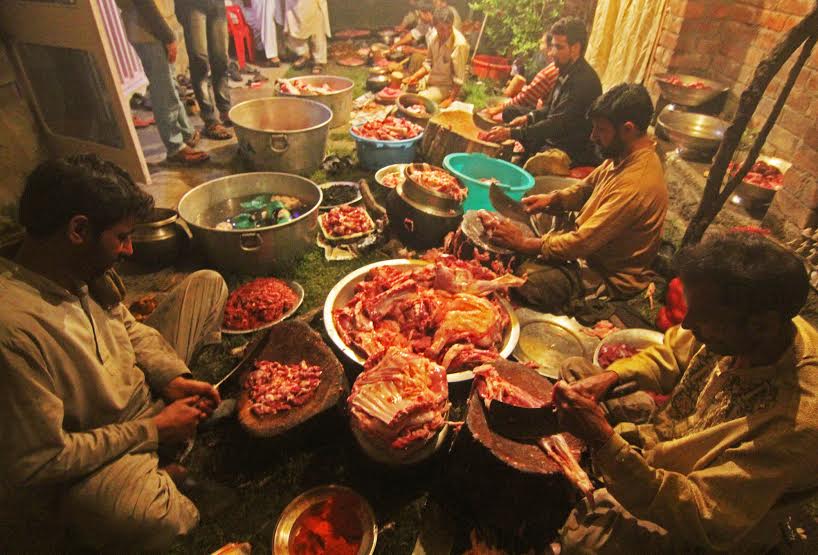
Food in Kashmir is much more than nourishment. It is an integral part of our identity, hospitality, traditions and collective memories. The aroma of freshly baked kander tsot, a cup of noon chai on a cold morning, steaming rice with haak and the elaborate Wazwan served at weddings and celebrations are all deeply woven into our cultural life.
There is absolutely no reason to abandon these traditions. However, there are growing reasons to reflect on how our everyday food habits are affecting our health.
Our beloved kander tsot and other bakery products, particularly when consumed frequently, add substantial amounts of refined carbohydrates and calories to our diets. Large portions of rice, frequent consumption of mutton and rich Wazwan preparations contribute to excessive calorie intake and unhealthy fat consumption. Similarly, our fondness for salted tea, especially when accompanied by bakery products, deserves reconsideration because of the high salt intake.
The concern is not about any single food item. It is about the overall composition, quantity and frequency of what we eat.

Growing Concerns
The health consequences of these habits, combined with increasingly sedentary lifestyles, are becoming more visible in our society. Non-communicable diseases are emerging as an important public health challenge.
Diabetes, hypertension, obesity, cardiovascular diseases and fatty liver are becoming increasingly common concerns. Diets low in fibre and high in refined carbohydrates, unhealthy fats and salt can also aggravate digestive problems, including constipation and other gastrointestinal complaints.
These conditions cannot simply be dismissed as inevitable consequences of ageing or family history. Our everyday food choices and levels of physical activity can make a significant difference to our health.
Simple Changes
The good news is that improving our diets does not require expensive foods, unfamiliar ingredients or abandoning Kashmiri cuisine. In fact, many of the solutions already exist within our own culinary traditions.
We need to reduce oversized portions of rice. Rice can remain an important part of our meals, but it should not occupy almost the entire plate. Vegetables must return to the centre of our meals. Haak, monji, nadru, beans, turnips, seasonal greens and other locally available vegetables should become regular features of our diets.
Pulses also deserve a more prominent place on our tables. Rama, beans and other pulses provide fibre, plant protein and valuable nutrients. They are affordable, nutritious and familiar to our culinary traditions.
We also need to be more moderate in our consumption of meat. Mutton is an important part of our culinary heritage, but frequent and excessive consumption, particularly of fatty meat and rich gravies, is best avoided. A greater variety of protein sources should be encouraged.
Our traditional bakery products need not disappear from our tables either. Kander tsot and other bakery items are part of everyday Kashmiri life, but frequent consumption of refined-flour products, particularly in large quantities, should be reduced.
The same reconsideration applies to noon chai. Its cultural and social importance is unquestionable, but excessive salt intake is not. Reducing the salt content and avoiding repeated large servings would be sensible steps.
Seasonal fruits offer another readily available alternative. Apples, pears, cherries, apricots and other local fruits provide fibre and essential nutrients. Eating whole fruits is generally preferable to drinking fruit juices because the former retain their fibre.
We should also be mindful of the quantities of oil, fats and gravies used in our cooking. Traditional preparations can be made healthier by moderating the use of oil and fat without compromising their essential character.
Equally important is making physical activity part of everyday life. Walking, cycling, gardening and other forms of regular exercise are essential partners to healthy eating.
Changing Attitudes
Perhaps the most important change required is in our understanding of food and hospitality.
We often associate hospitality with abundance, celebrations with elaborate meals and affection with serving more food than is actually needed. While these customs are beautiful, we must recognise that excessive portions and overeating are not necessarily expressions of better hospitality.
The objective is not to stop eating rice, abandon mutton, give up kander tsot or say goodbye to noon chai. It is to ensure that these foods are consumed sensibly and complemented by vegetables, pulses, fruits and other nutritious foods.
Let us eat a little less of what we have in excess and a little more of what our bodies actually need. Let haak have as much importance on our plates as rice. Let pulses become as familiar as meat. Let fruits replace some of our bakery snacks. Let moderation become part of our hospitality.
Our food culture has nourished generations of Kashmiris. With a little wisdom and a few changes, it can continue to do so for generations to come.
The message is simple: We do not need to change our Kashmiri identity. We need to make our Kashmiri food habits healthier.
(An IAS officer, the author retired as Chairman, Jammu and Kashmir Public Service Commission. Ideas are personal.)