by Quaseen Jahan
Kashmiri daughters are loved and empowered, yet quietly carry unequal expectations. They give endlessly while often hesitating to claim their rights. This leaves them with a deep, often unspoken sense of incomplete belonging within their families

In Kashmir, daughters grow up wrapped in affection, their presence cherished and their achievements celebrated with pride. They are often described as the honour of the family, the ones who bring grace, intelligence, and quiet strength into the household. They are encouraged to study, to build careers, to become independent individuals capable of standing on their own feet.
On the surface, it appears as though they are being empowered, prepared for a future where they can claim both dignity and autonomy. Yet, beneath this encouragement lies a contradiction so deeply woven into the social fabric that it often escapes scrutiny.
A Kashmiri daughter is raised not only with love but with an unspoken understanding of responsibility. From an early age, she learns to give her time, her energy, her emotional labour, without ever being explicitly told that this giving is expected of her. As she grows older, this quiet conditioning evolves into something more tangible. Her education becomes not just a personal achievement, but a collective investment. Her career is not solely her own pursuit, but a source of pride and, at times, support for the family. Her independence, rather than granting her complete autonomy, becomes a means through which she contributes back to the very structure that shaped her.
She steps into roles that extend far beyond what is visible. She supports siblings, eases financial burdens, and often becomes a silent pillar holding together the everyday functioning of the household. In many cases, she even prepares for her own marriage not as someone to be provided for, but as someone expected to provide for herself, arranging her trousseau, purchasing gold, managing expenses, and ensuring that her transition does not become a burden on anyone else. All of this unfolds without resistance, not because she is compelled by force, but because she has been taught that this is what love looks like: selfless, unquestioning, and enduring.
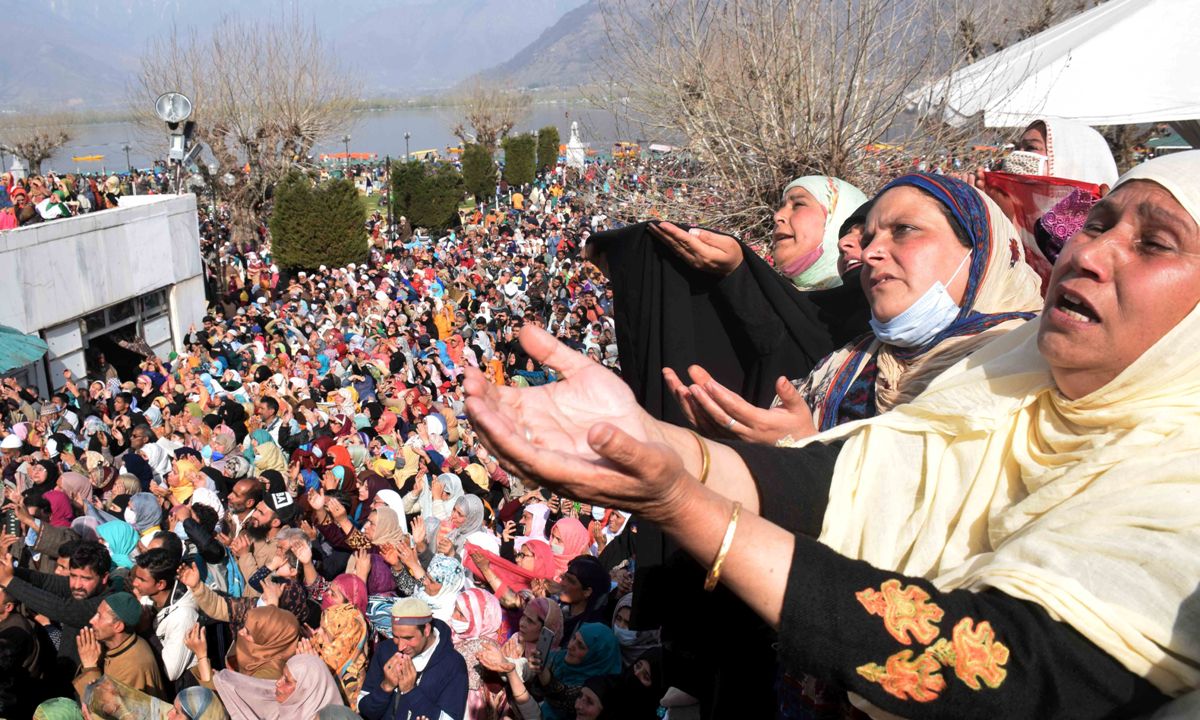
However, the moment the conversation shifts from contribution to entitlement, the narrative changes. The same daughter who has given so much begins to encounter an invisible boundary. When it comes to ancestral property or inheritance, she is often reminded, directly or indirectly, that her place in the family is temporary.
The justification is rarely confrontational; instead, it is softened by tradition and familiarity. She is told that she will eventually belong to another home, that the responsibility of carrying forward the family legacy rests with the sons, and that things have always been this way. These explanations, repeated over generations, begin to sound less like choices and more like inevitabilities.
It is within this moment that a deeper realisation takes shape. The daughter who was raised to feel like an integral part of the family begins to understand that her belonging is conditional. She is valued for what she gives, but her right to claim is negotiable. This contradiction does not always lead to outward conflict; instead, it manifests as an internal struggle. She questions herself before questioning the system. She hesitates, wondering whether asking for her share would make her seem ungrateful or selfish. The fear of disrupting relationships often outweighs the desire for fairness, and so she learns to silence her own claims in order to preserve harmony.
This emotional negotiation becomes one of the heaviest burdens she carries. It is not just about property; it is about recognition. It is about being seen not as a temporary presence, but as an equal member whose contributions are not separate from her rights. When this recognition is denied, even subtly, it creates a sense of displacement that is difficult to articulate. She belongs deeply, yet not completely. She gives endlessly, yet cannot fully claim.
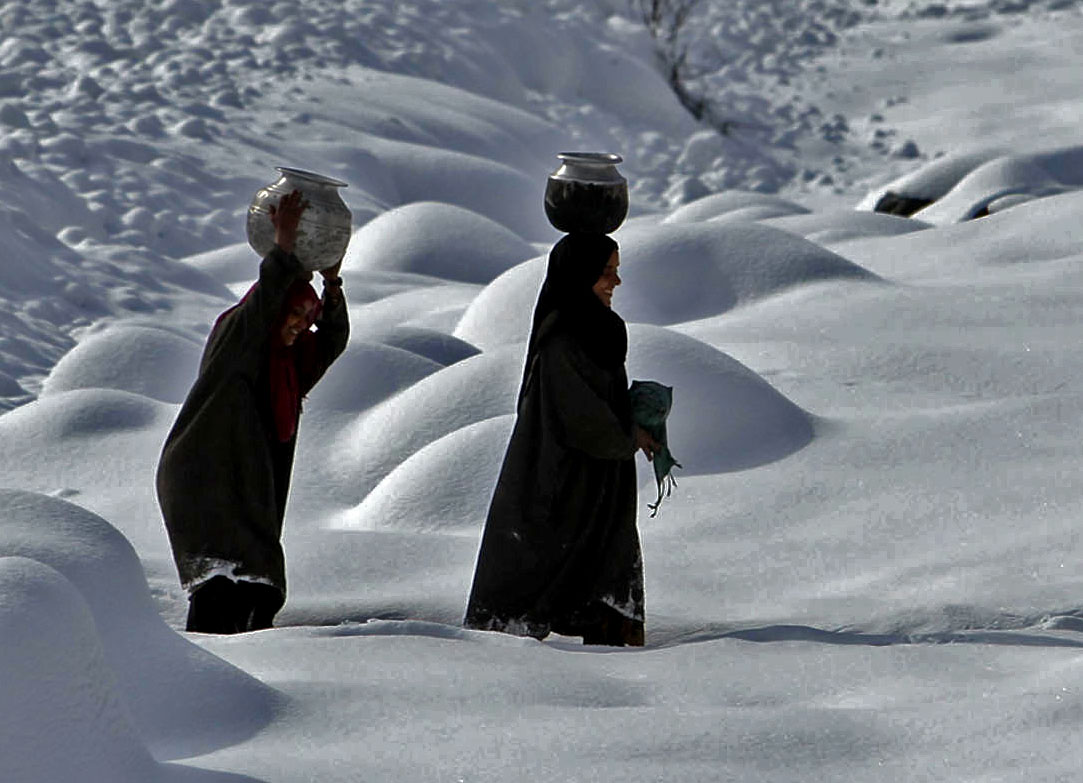
Marriage, which is often perceived as a new beginning, does not necessarily resolve this imbalance. Instead, it introduces another layer of complexity. A Kashmiri daughter, now navigating her role as a wife, is expected to integrate seamlessly into her marital home while maintaining her emotional and often practical ties to her maternal one. She becomes a bridge between two families, carrying expectations from both sides, constantly adjusting and constantly balancing. Yet, in this process, her own sense of belonging becomes increasingly fragmented. In one home, she is seen as someone who has left; in the other, as someone who has arrived. Rarely is she allowed the comfort of being rooted without conditions.
What makes this entire dynamic particularly difficult to challenge is its subtlety. It does not present itself as overt oppression. There are no explicit denials, no visible conflicts in many cases. Instead, it operates through normalisation, through the quiet acceptance of roles that have been passed down without question. Daughters are told they are strong, and so they endure more. They are told they are capable, and so they are expected to give more. They are told they are loved, and so they hesitate to question the terms of that love.
 In this environment, even well-defined rights begin to lose their strength. Both Islamic principles and Indian legal frameworks clearly establish a daughter’s right to inheritance. These are not symbolic gestures; they are structured entitlements meant to ensure fairness and dignity. Yet, within the private spaces of families, these rights often remain unclaimed, not because they are unknown, but because they are overshadowed by cultural expectations and emotional pressures. The result is a gap between what is rightful and what is practised, a gap that continues to persist precisely because it is rarely confronted.
At its core, this issue forces a fundamental question: what is a daughter’s worth within her own family? If she is capable of contributing like a son, supporting like a son, and sacrificing like a son, then on what basis is she denied the same recognition in ownership? Why is her role celebrated when it aligns with giving, but reconsidered when it involves claiming?
These questions are not meant to disrupt families; they are meant to restore balance within them. Because fairness does not weaken relationships; it strengthens them. Recognising a daughter as an equal stakeholder does not diminish the place of a son; it simply affirms justice.
True empowerment, therefore, cannot remain limited to education or financial independence. It must extend into the realm of rights and recognition. It must ensure that a woman’s ability to stand on her own feet is not used as a reason to withdraw support or deny entitlement. It must create a space where she does not have to choose between maintaining relationships and asserting her dignity.
Until such a shift takes place, many Kashmiri daughters will continue to navigate this silent contradiction. They will rise, achieve, and contribute in ways that keep families together, yet carry within them a quiet ache, the ache of partial belonging. An ache that comes not from a lack of love, but from the conditions attached to it.
And perhaps that is the most invisible burden of all: to be deeply connected to a place, to give it your everything, and still feel that, when it comes to truly belonging, you must gently step aside.
(The author is a Research Scholar at the University of Kashmir, working on Institutional Quality and Development Indicators. Ideas are personal.)