by Dr Harjeet Singh and Dr Abdul Mohsin
Budgam tragedy raises urgent questions about how boys are raised, online misogyny, social double standards, and society’s failure to teach accountability.
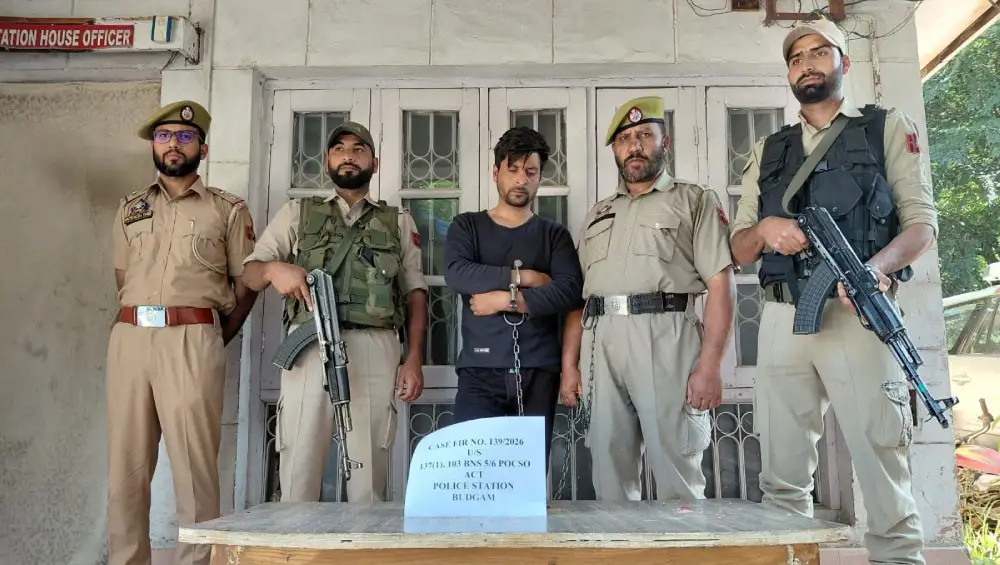
The alleged rape and murder of a 12-year-old girl in Budgam has shaken Kashmir. Families grieve deeply. Public anger is raw and justified. Political leaders demand justice. Religious voices express sorrow. Yet amid the mourning, one question demands honest attention: what are we teaching our boys?
Every incident of violence against women and girls follows a familiar pattern. Society quickly focuses on protecting girls. Families tighten rules. Daughters hear warnings to stay indoors, avoid going out alone, dress carefully, and remain constantly alert. The responsibility for safety falls heavily on them. This approach, while understandable in the short term, reveals a deeper failure. It shifts the burden onto potential victims instead of addressing the source of the threat.
We rarely examine with equal seriousness how boys are raised. From early childhood, many boys hear phrases like “boys will be boys” or “ladke aise hi hote hain.” Aggressive behaviour gets dismissed as natural energy. Teasing girls or speaking disrespectfully is laughed off as innocent mischief. Lack of emotional control or basic manners is excused. Society condemns similar actions in girls far more quickly.
This double standard plants seeds that can grow into serious problems later. Normalised disrespect does not stay small. When boys learn that the boundaries of others do not matter much, when they see entitlement treated as strength, the path toward harmful actions becomes easier. A civilised society must teach men and boys not to become threats. We do not lock away innocent people to stop crime. We identify problems and correct them at the root. Yet on women’s safety, we often do the opposite. Girls lose freedom while boys escape consistent moral guidance and accountability.
This pattern has continued for generations. Its results appear in repeated tragedies. Today, the problem grows stronger because of the cultural environment surrounding young minds. Short video clips, reels, and online content dominate daily life. Much of this material treats women and girls as objects for jokes, humiliation, or casual entertainment. Misogyny wears the mask of humour. Views and engagement rise when women face ridicule. Young boys consume this content hour after hour without reflection. Over time, empathy weakens. Disrespect starts to feel normal and even funny.
Religious platforms sometimes add to this damage. Some self-proclaimed religious figures chase popularity on social media. They turn women into targets of mockery or selective criticism. Instead of teaching restraint, compassion, justice, and moral responsibility, certain voices offer interpretations that boost the male ego and control. Authority in religious matters often goes to anyone who looks the part, without proper training or depth. This differs sharply from fields like medicine, education, or law, where qualifications matter. Faith then becomes twisted to serve personal biases rather than ethical teachings.
All religions emphasise dignity, justice, and the protection of the vulnerable. It calls for accountability and good conduct from men, especially. Any version that promotes domination or contempt distorts both religion and society.
The issue here is not religion itself but shallow, self-serving uses of it. Kashmir has long carried the weight of collective suffering and external violence. That pain is real and deserves recognition. However, a society that speaks constantly about harms done to it must also face harms it allows inside its own homes and communities. Internal violence against women and girls cannot stay hidden behind larger narratives. We cannot mourn one tragedy while ignoring the patterns that produce the next one.
True change requires honest introspection in several areas. Parents must move beyond “boys will be boys” and actively teach respect, consent, emotional control, and equality. Schools and communities need programmes that shape healthy masculinity based on strength with responsibility, not dominance. Public culture, including content creators, should recognise their influence and reduce material that normalises humiliation. Religious leaders with genuine authority must speak clearly against distortions and promote the compassionate core of faith.
Justice for the victim in Budgam remains non-negotiable. Investigations must be thorough, and punishment must follow the law. But justice for one case will not end the problem. Prevention demands we raise boys who see women and girls as equal human beings deserving safety and dignity. This includes setting clear standards, modelling good behaviour, and rejecting excuses for disrespect at every stage.


A society reveals its true character not just by how loudly it mourns innocent children, but by whether it creates conditions where they can grow up safe among their own people. Kashmir, known for its deep community bonds and moral values, now faces a test. Will it continue old patterns that burden girls and excuse boys? Or will it choose the harder, more honest path of raising better men? The mirror is before us. The grief is real. The time for serious reflection and reform has come. Only then can we hope to protect future generations and build a society where such brutality becomes truly unthinkable.
(Dr Abdul Mohsin is a political scientist and public policy writer affiliated with Akal University and formerly with the University of Hyderabad. Dr Harjeet Singh is an independent researcher focusing on the Sikh Empire, historiography, and socio-cultural issues. Ideas are personal.)