by
Despite severe military losses, Iran exploited strategic vulnerabilities, imposed economic costs, and survived politically, gaining leverage over adversaries.
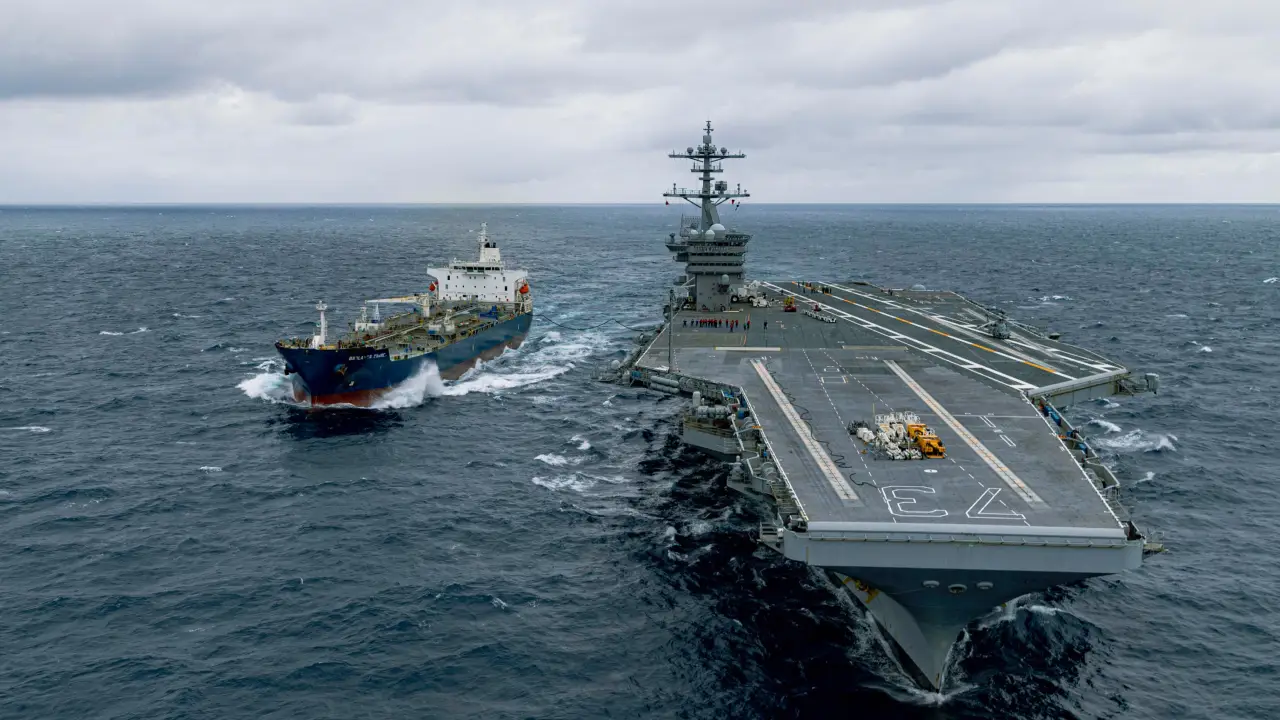
After three months of war with two of the world’s most technologically and militarily advanced countries, Iran has proved far more resilient than anticipated. Indeed, strategically at least, Tehran appears to now have the upper hand in the conflict. How has this situation come about?
When the United States joined Israel to launch the latest war with Iran in late February 2026, the prognosis did not look good for the regime in Tehran.
In attacking Iran, the US and Israel set up a highly asymmetric conflict. It pitted the Islamic Republic against two nuclear-armed adversaries who boast some of the most advanced military capabilities on the planet. And the scale of the US and Israeli intervention was far larger than anything Iran has experienced in decades.

Over the course of several weeks, Iran was pounded relentlessly with the full force of US and Israeli air and missile power. Precision strikes and targeted assassinations removed key members of Iran’s political and military leadership – including the supreme leader and commander-in-chief, Ayatollah Ali Khamenei. The country’s air and naval combat capabilities were decimated, hundreds of its missile launchers and air defence systems were destroyed, and its internal security apparatus was severely degraded. The country’s nuclear facilities and missile and drone factories were bombed with thousands of pounds of munitions.
Iran moved quickly to replace its leadership and use its remaining military capabilities to strike back at its attackers and their allies. But by any measure, the Islamic Republic was facing an existential threat. At that point, it seemed almost inconceivable that Iran might avoid capitulation, survive politically, and recover its position so far as to gain leverage in its dealings with the US. Yet that is exactly the scenario that has played out.
As Jerusalem-based Middle East expert Daniel Sobelman explains, in an asymmetric conflict where a weaker actor is pitted against a superior adversary, the weaker actor must tilt the “balance of vulnerability” in its favour to avoid total defeat. To do this, it must ensure the survivability of its critical military capabilities, and it must exploit the vulnerabilities of its adversaries.
This type of logic has long been a feature of Iranian strategic thinking. Officials have often emphasised the importance of exploiting the points of vulnerability or weakness of Iran’s adversaries, while minimising their own, as a key element of both asymmetric deterrence and warfighting.
Tehran’s prewar deterrence posture clearly failed to prevent US and Israeli attacks. Yet over the past three months, Iran has shifted the balance of vulnerability. It has imposed severe costs, escalated its attacks and exploited vulnerabilities in ways that helped it not only survive but also force its adversaries to a ceasefire.

Asymmetric warfare
By April, it was clear that the US and Israel were unable to force Tehran to capitulate (or to “cry uncle” to as the US president, Donald Trump, famously put it). The attacking forces were unable to create the conditions for regime change. And they failed to destroy Iran’s arsenal of missiles and drones.
Iran absorbed all the punishment inflicted by its attackers. And, crucially, it retained the capacity to retaliate with missile and drone strikes on Israel and US bases in the Gulf. Iran also attacked energy and other infrastructure in the Arab Gulf states. This undermined the stated US goal of protecting its regional allies and upended the US reputation as a haven of stability.
Iran’s attacks also signalled clearly that in this regional conflict, support for the US was a liability rather than an asset. In addition to all this, Iran caused havoc by closing the Strait of Hormuz to commercial vessels. This cut off a critical global supply artery for oil, gas and fertiliser with disastrous consequences for energy and food supply around the globe.
All the while, Iran has forced Israel, the US and the Gulf states to burn through critical, expensive and slow-to-replenish munitions, another vulnerability that emerged for Tehran to exploit.
In terms of escalation, Iran has threatened to increase economic costs further. It has threatened to expand attacks on Israeli and Gulf energy and infrastructure targets and to target undersea cables in the Strait of Hormuz. And it has threatened to push its Axis of Resistance partners in Yemen, the Houthis, to disrupt the Bab al-Mandab Strait in the Red Sea.
Counting the cost
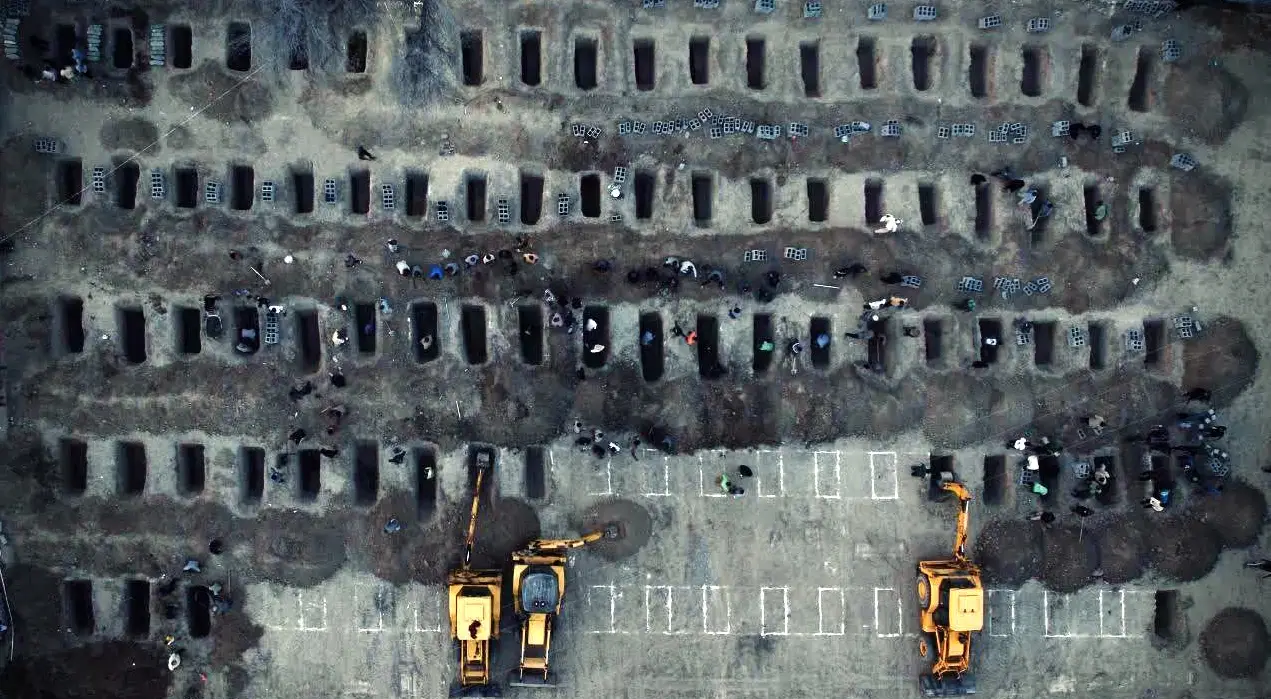
The US and Israel may have largely achieved their stated military objectives – including degrading Iran’s nuclear programme, military capabilities and defence industries. But Iran has prevented its enemies from achieving their strategic goals. And it has inflicted strategic, diplomatic, military, political and economic costs on Israel, the US, the Gulf states and beyond.
Tehran remains at a clear military disadvantage and highly vulnerable to further US and Israeli military strikes. But Iran appears to hold the upper hand at the political-strategic level, at least for now. It has forced Trump to seek an off-ramp; it retains the ability to close the Strait of Hormuz as well as to strike critical targets across the region.

Iran also appears to be revamping the Axis of Resistance – especially Lebanese Hezbollah and the Yemeni Houthis – as a key pillar of leverage, deterrence and warfighting. Tehran recently announced the creation of a “new security belt” of the Axis and claimed a new doctrine of “unified resistance front,” where any attack on the Axis would trigger a coordinated response by all Axis members.
Moving forward, Tehran will clearly try to leverage this moment of perceived strategic advantage to enhance and coordinate its efforts in both the “field of action” – especially its threat and use of military force – and the “field of negotiation” with Washington. It aims not only to survive this conflict but to emerge in a stronger strategic position.
In doing so, the Islamic Republic will be able to pour available resources into rebuilding and enhancing its critical retaliatory capabilities – especially missiles and drones – while continuing to find ways to exploit the vulnerabilities of its adversaries.
isiting Research Fellow, Department of War Studies, and Professor of International Security, at King’s College London. This article is republished from The Conversation under a Creative Commons license. Read the original article.)