by Dr Ruchika Raina
Jammu and Kashmir celebrates its teachers, but academic-arrangement lecturers continue to navigate Rs 28,000 remuneration, repeated applications, rotational allotments and an uncertain professional future
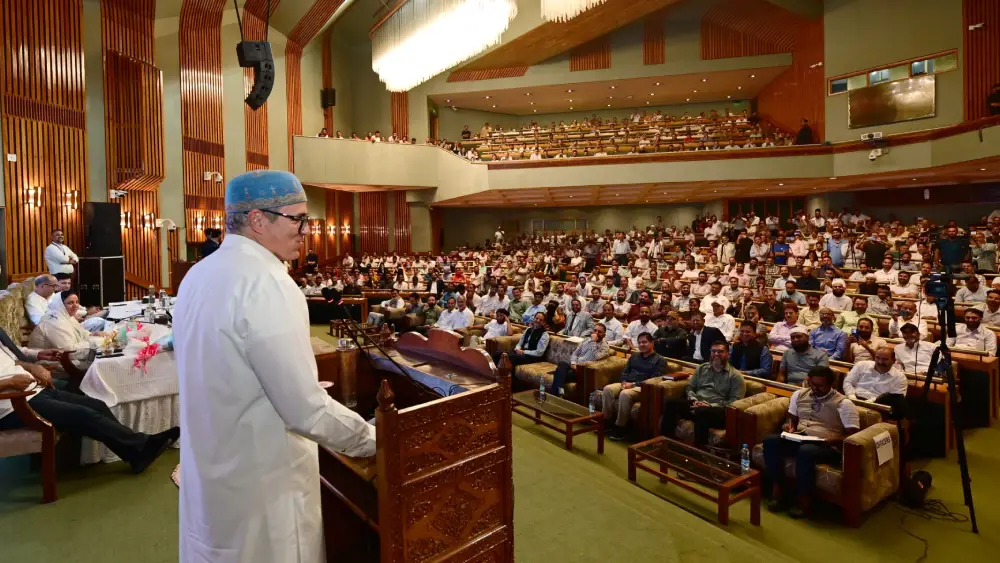
Every September 5, Jammu and Kashmir joins the country in celebrating Teachers’ Day. Teachers are felicitated, their contributions are praised, students express gratitude, and speeches remind society that educators are the people who shape generations.
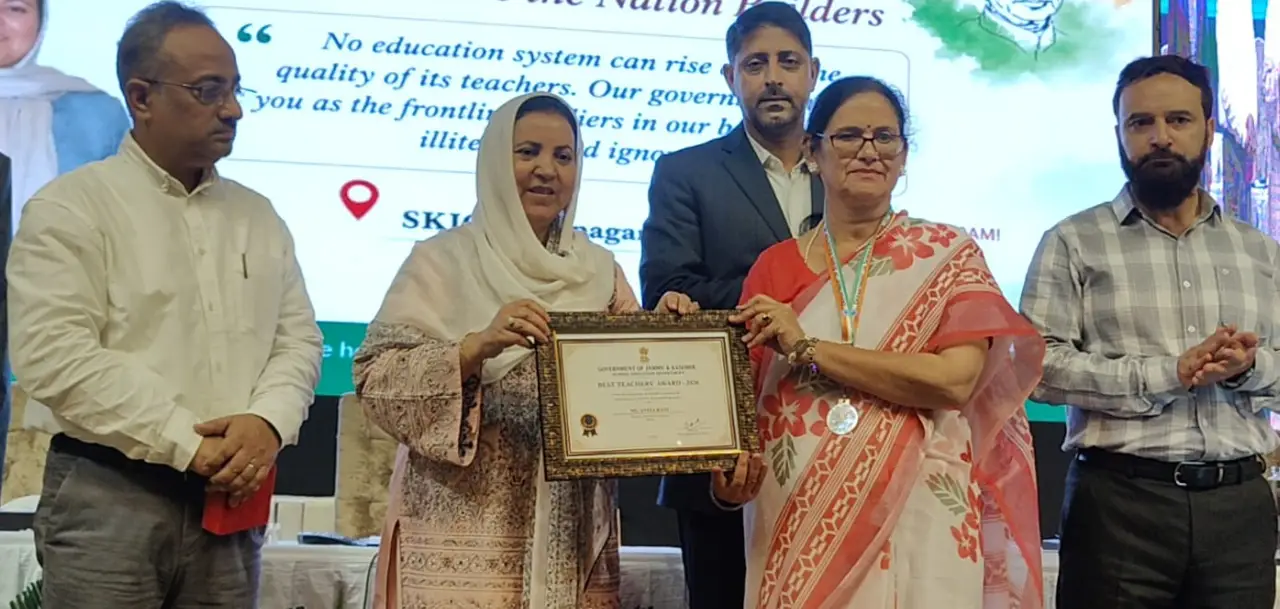
This year, Jammu and Kashmir honoured 20 teachers and education functionaries, with representation from all 20 districts of the Union Territory. The recognition of teachers is welcome and necessary. But Teachers’ Day should also be a day of reflection.
Behind the ceremonies and felicitations lies another story of the teaching community; one that rarely receives the same public attention.
It is the story of academic-arrangement lecturers working in the government degree colleges of Jammu and Kashmir. For these teachers, Teachers’ Day raises a difficult question:
What does it mean to celebrate teachers when a section of the teaching community continues to work under a cycle of temporary engagement, modest remuneration, repeated applications and uncertain continuity?
The most visible feature of the academic-arrangement system is its temporary and recurring nature. For the 2026–27 academic session, the Higher Education Department again opened applications for need-based academic arrangements in degree colleges across Jammu and Kashmir. The official portal records the application process beginning in July and, significantly, shows successive allotment rounds, including a fourth round notified on September 2.
For many qualified lecturers, this means that the beginning of a new academic year is accompanied by a familiar ritual: apply again, wait again, check the merit list again, submit preferences again, wait for allotment again and join again.
A teacher who may have already taught students for one or several academic sessions must once again establish eligibility for engagement.
This repetitive process has a human cost. The problem is not merely the inconvenience of filling out another application. It is the absence of professional continuity. A lecturer cannot easily plan a career when every academic session potentially resets his or her professional position.
The remuneration attached to the academic-arrangement lecturer position is another major concern. The current academic-arrangement framework provides Rs 28,000 per month for lecturers, according to the recruitment information for 2026–27.
The figure deserves to be examined not in isolation but against the qualifications and responsibilities associated with higher education teaching. The UGC’s academic pay framework places an entry-level Assistant Professor at Academic Level 10, with an entry pay of Rs 57,700.
Academic-arrangement lecturers do not automatically acquire a legal entitlement to the regular Assistant Professor pay scale merely because they perform teaching duties. Their engagement is governed by a separate, need-based contractual framework. Yet the comparison raises an important policy question.
Can an education system that expects highly qualified individuals to teach at the college level sustain their professional commitment on Rs 28,000 a month?
These lecturers are not merely present in classrooms to fill vacancies. They prepare lectures, teach courses, assess students, conduct practical and academic activities, mentor students and contribute to the functioning of colleges. Many possess NET, SET, M.Phil., Ph.D. and other advanced qualifications.
Their responsibilities are academic. Their qualifications are academic. Their contribution is academic.
The question is whether their professional remuneration and security adequately reflect that contribution.
The consequences of this arrangement extend beyond the salary figure. A lecturer is also a person with a family, financial commitments, professional aspirations and responsibilities. There are rent and transportation expenses, household expenditure, medical needs, children’s education and the cost of remaining academically updated.
Higher education itself increasingly demands continuous professional development. Teachers are expected to publish, attend conferences, learn new technologies, use digital platforms, understand artificial intelligence, adopt innovative pedagogies and remain familiar with emerging scholarship. All of this requires time and resources.
When a teacher’s professional life is characterised by financial uncertainty and repeated applications for continuation, professional development can become secondary to the immediate question of securing the next engagement. This is why the issue of academic-arrangement lecturers is not simply an employment issue. It is an education-quality issue.
Teachers’ Day must include the teachers who are not being celebrated
The irony becomes particularly visible on Teachers’ Day. On one side, society tells teachers that they are nation-builders. On the other, a section of higher-education teachers spends the beginning of every academic year wondering whether they will be teaching again, where they will be teaching and under what conditions. The issue is not about demanding sympathy. It is about demanding recognition of teaching as a profession.
Recognition must be reflected not only through awards and speeches but also through remuneration, professional development, transparent recruitment and reasonable continuity. A teacher should not have to receive an award before his or her professional contribution is valued.
A policy step that J&K cannot postpone
Teachers’ Day is not only about thanking teachers. It is also about asking whether our institutions give teachers the conditions necessary to teach well. Jammu and Kashmir has every reason to celebrate its educators. The 20 teachers recognised this year represent the dedication of thousands of others working across the Union Territory. But alongside those celebrations must be another step of reframing/modifying policy on academic arrangement for faculty.
A modified policy about the lecturer who has qualified, taught and gained experience, but must apply again for 10months of the year. About the lecturer who receives ₹28,000 while carrying the responsibilities of higher education teaching, denied UGC’s basic pay of ₹57,700. About the lecturer who waits for merit lists and allotments every year. About the lecturer whose professional future remains uncertain despite the continuing requirement for his or her services. And about the colleges that need teachers every academic year but continue to treat a substantial part of their teaching requirement as temporary.

Perhaps this is the most important Teachers’ Day question for Jammu and Kashmir: if we genuinely believe that teachers build the future, why should so many teachers have to remain uncertain about their own?
A bouquet lasts a day.
An award lasts a lifetime.
But professional dignity must last throughout a teacher’s career.
This Teachers’ Day, Jammu and Kashmir should therefore celebrate its teachers, but it should also listen to them. Because the strongest tribute to a teacher is not merely to say thank you.
It is to build an education system in which a teacher can teach, grow and plan a life without having to reapply every year simply to remain a teacher.
(The author is working as an Academic Arrangement in the Department of Political Science, GDC, RS Pura. Ideas are personal.)