by Azra Hussain
Though empirical evidence supporting a definitive link remains elusive, anecdotal accounts underscore the possibility of déjà vu’s symbiosis with anomalous neural activity.
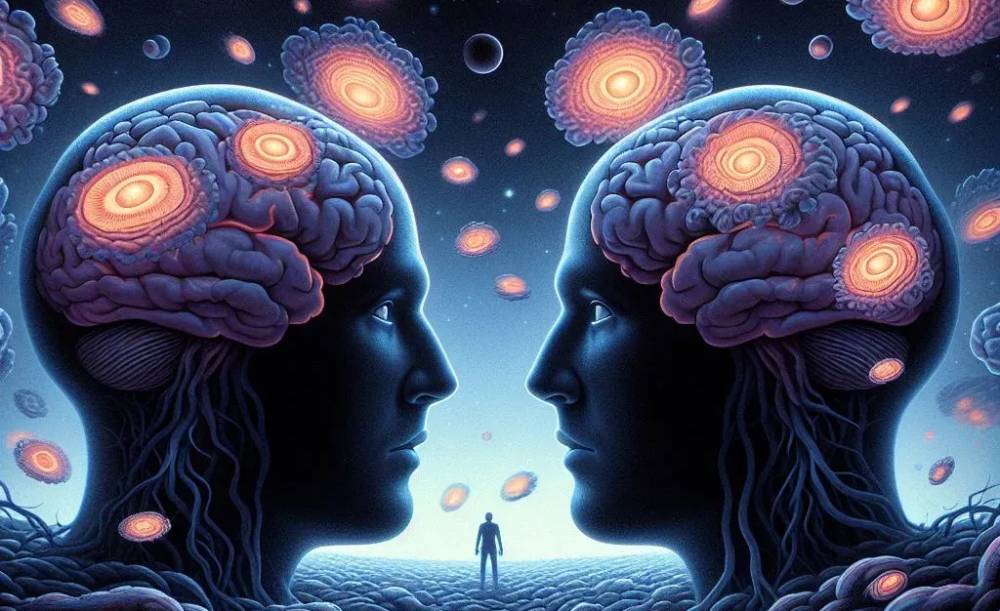
Déjà vu, a phrase borrowed from the French language and translated to ‘already seen,’ refers to a widespread psychological phenomenon. This phenomenon is characterised by the unmistakable sensation that one has previously experienced a situation or event that is, in reality, being encountered for the first time.
The term déjà vu was first introduced by the French philosopher Emile Boirac in his seminal publication, L’avenirDes Sciences Psychiques, or The Future of the Psychic Sciences, in 1876. Historically, during the 19th and 20th centuries, déjà vu was perceived as a symptom indicative of various mental disorders. However, with advancements in modern neuroscience, the condition is now largely regarded as benign, devoid of harmful implications.
For centuries, the enigmatic phenomenon of déjà vu has intrigued humanity, its underlying causes and mechanisms shrouded in mystery. Modern neuroscience, driven by an insatiable curiosity, has endeavoured to illuminate the intricacies of this phenomenon. The resultant theories, varied yet interconnected, underscore the complex interplay between the brain’s processing of stimuli, memories and the intricate dance of recollection.
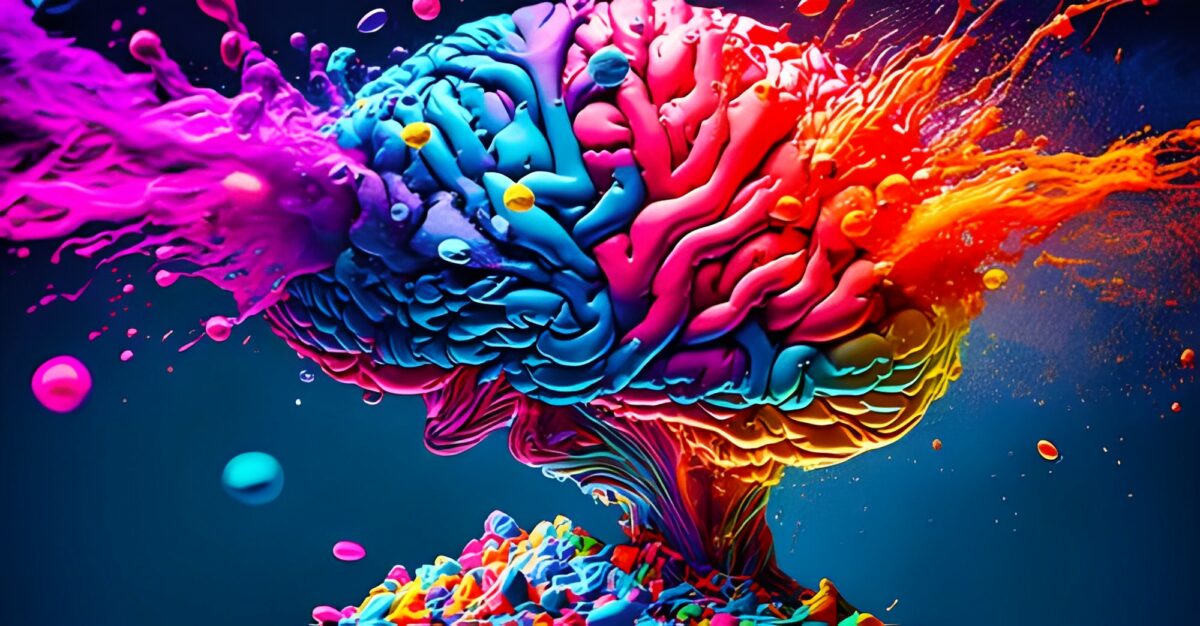
When an event transpires, it is initially consigned to an individual’s short-term memory. Thenceforth, it gradually intertwines with the labyrinthine repository of long-term memory. Certain neuroscientists posit that déjà vu occurs when the current situation bears an uncanny resemblance to a memory. This similarity prompts the brain to misconstrue the present experience as a reiteration of something previously encountered.
A lesser-known yet captivating hypothesis suggests the brain occasionally experiences transient delays in processing information. This theory posits the existence of dual pathways: one catering to ephemeral, short-term recollections and the other to enduring, long-term memories. Intermittent lapses in processing stimuli or specific situations can lead the brain to perceive a singular event as a duplicate experience. Consequently, the individual is overcome with an intense sense of familiarity with an entirely novel occurrence.
Déjà vu has long fascinated the human mind and beckons us to unravel its mystique. One perspective attributes this enigmatic experience to cryptomnesia – a state wherein an individual forgets previously acquired knowledge or past experiences, only to rediscover them as seemingly novel ideas. By extension, déjà vu might be the manifestation of a submerged memory striving to resurface. This notion suggests that the feeling of familiarity accompanying déjà vu is, in fact, the echo of a forgotten encounter, veiled by the passage of time.
An alternative explanation delves into the realm of ‘zoning out,’ where the human attention span, inherently imperfect, momentarily falters. It is conceivable that individuals partially disengage from their surroundings while maintaining a semblance of awareness. Déjà vu, in this context, symbolises the conscious mind reconciling with the lapses in perception that transpired during such episodes of distraction. This reconciliation ignites an unmistakable sense of familiarity, as the mind bridges the divide between the overlooked details and the present moment.
In both frameworks, déjà vu emerges as a poignant testament to the intricacies of human perception and memory – an intricate ballet of remembrance, distraction and rediscovery.
A burgeoning realm of scientific inquiry ventures into the uncharted territory of Temporal Lobe Epilepsy (TLE) and its tantalising correlation with déjà vu. This neurological phenomenon originates from aberrant electrical fluctuations within the temporal lobes – sentinels of memory processing. Individuals afflicted with TLE often recount experiencing an intense sense of familiarity, reminiscent of déjà vu, preceding seizures. This precursory sensation, termed an ‘aura,’ heralds the onset of a seizure.
Though empirical evidence supporting a definitive link remains elusive, anecdotal accounts underscore the possibility of déjà vu’s symbiosis with anomalous neural activity. The absence of concrete explanations stems, in part, from the scarcity of conclusive evidence bolstering any singular theory. Nonetheless, burgeoning advancements in brain imaging technologies and neuroscience herald a promising dawn. As our comprehension of cerebral intricacies expands, the veil shrouding this mystifying phenomenon may gradually lift, illuminating the intricacies of déjà vu.
This phenomenon unfolds with a measured pace, inviting introspection into the labyrinthine corridors of human cognition and the ephemeral dance of memory, perception and neurological enigmas.
(The author is a Psychology student with an interest in philosophy and artificial intelligence. A book lover and prolific writer, she explores the intersections of psychology, AI, and philosophy in her work. Ideas are personal.)