by Zaheer Jan
Despite strong legal safeguards, children with disabilities in Jammu and Kashmir remain excluded from mainstream education, exposing systemic gaps between policy intent and ground-level implementation
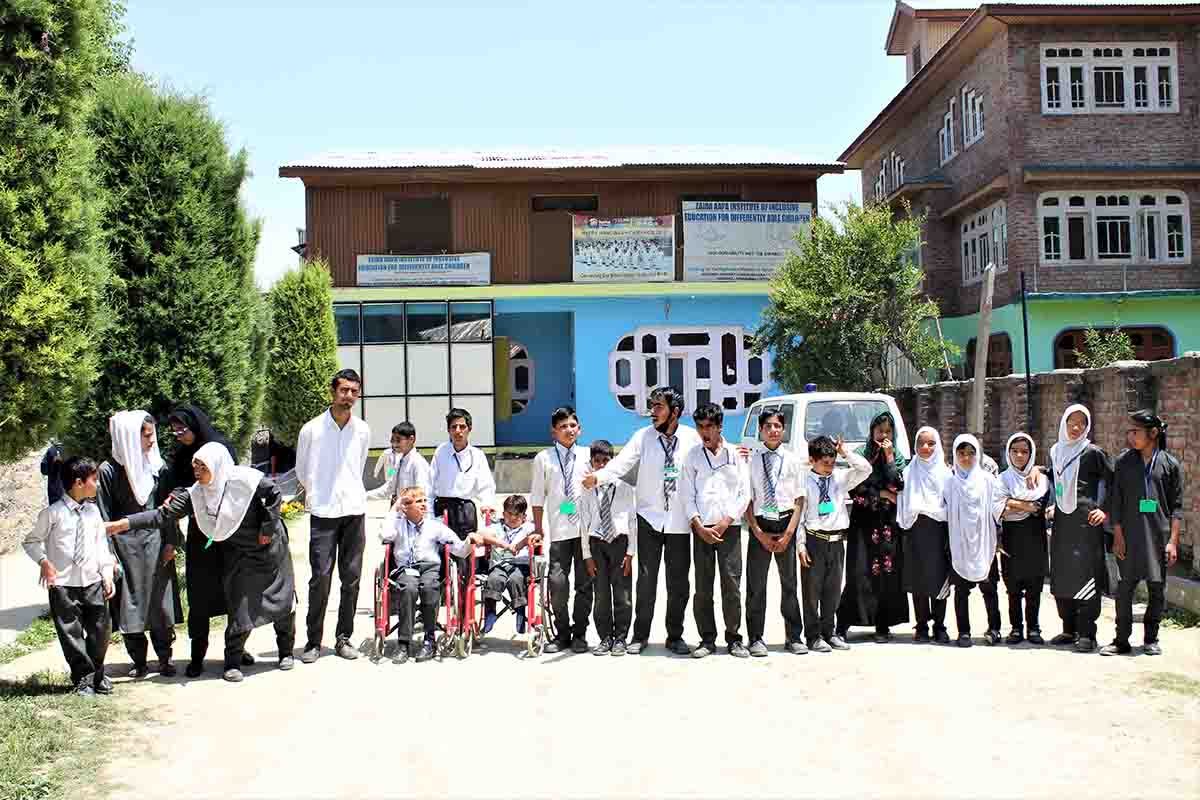
Education is something that everyone understands to be very important. It helps people develop self-confidence and opens up opportunities in life. It also enables individuals to participate meaningfully in what is happening around them. For children, education forms the foundation that helps them think about what they want to become and what they want to do as they grow up. However, for many children with disabilities in Jammu and Kashmir, as well as in the rest of India, education is not something they genuinely experience. Instead, it is something people say they should have. Education for children with disabilities in India remains more of an idea than a reality that is truly accessible to them.
The education system continues to separate children with disabilities, and this segregation is harmful. It reinforces the perception that children with disabilities are less capable than others. In reality, children with disabilities need to learn and grow alongside other children. The education system should allow children with disabilities to study with their peers so that they have equal opportunities to learn, develop, and succeed.
It is time to bridge this divide. Every child has the right to learn in a mainstream classroom with other children and to receive the support they need. Inclusive education is essential—not only because it is the right thing to do, but also because it is mandated by law. Both the Rights of Persons with Disabilities Act, 2016, and the National Education Policy 2020 clearly state that inclusive education is necessary. Inclusive education means that every child, including children with disabilities, can learn in a mainstream classroom, as recommended by these legal and policy frameworks. It focuses on ensuring that children with disabilities receive the support required to learn alongside their peers. The School Education Department must ensure that private schools follow the rules, reserve seats for children with disabilities, and make it possible for them to truly participate in school life.
Legal Foundation: The RPWD Act 2016
The Rights of Persons with Disabilities Act, 2016, was enacted in India to comply with the United Nations Convention on the Rights of Persons with Disabilities. This law affirms that children with disabilities have the right to attend school and receive an education that is fair and free from discrimination. The Act seeks to ensure these rights through clearly defined and enforceable legal provisions.
Inclusive Education as a Right
Section 16 of the RPWD Act states that children with disabilities have the right to attend schools and receive the same education as other children. It mandates that all children must be admitted to mainstream schools without discrimination, meaning that children with disabilities should be able to attend the same schools as their peers. Schools must not deny admission to children with disabilities and are required to remain open to all students, including those with disabilities.
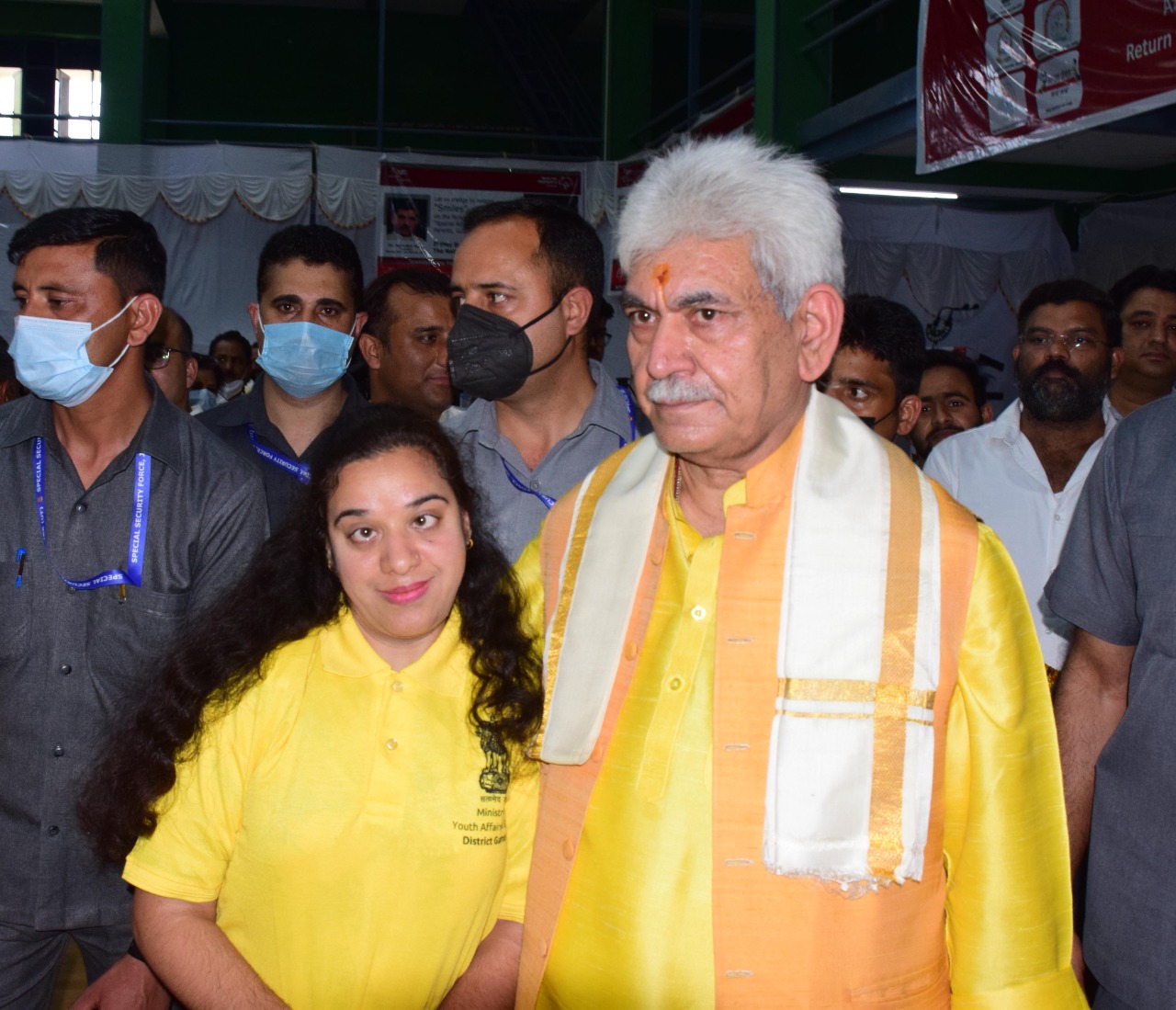
The Act further requires schools to provide reasonable accommodations tailored to individual needs so that children with disabilities can meaningfully participate in academic and extracurricular activities. It also emphasises the importance of accessible infrastructure, including ramps, adapted toilets, tactile pathways, and other necessary modifications to the school environment. In addition, schools are expected to appoint trained professionals such as special educators, speech therapists, psychologists, physiotherapists, and rehabilitation therapists to support children with disabilities.
To ensure effective learning, the law requires the provision of assistive technologies, appropriate learning materials, and educational aides. It also calls for transport facilities wherever necessary to support regular attendance and participation. The law is explicit that stopping a child from attending school due to disability is illegal. Denying admission to a child with a disability is against the law, and schools are legally obligated to ensure that children with disabilities attend school alongside other children.
Free and Compulsory Education
Section 31 of the RPWD Act is particularly significant for children with benchmark disabilities, defined as disabilities of forty per cent or more. The law guarantees that such children are entitled to free education up to the age of eighteen. It also states that these children have the right to attend a neighbourhood school or any school of their choice. This provision is crucial because it reinforces that children with benchmark disabilities should not be separated from other children and should have access to the same schools as everyone else. The RPWD Act clearly states that segregation should never be the preferred approach.
Section 17 further mandates that governments and education authorities must identify children with disabilities and provide them with appropriate support. It requires the training of general teachers and school staff in inclusive education practices and emphasises the need to ensure that learning materials are accessible and that curricula are inclusive and fair to all students. The RPWD Act requires necessary changes to be made so that children with disabilities can participate fully in classrooms and learn like other children. At its core, the Act aims to provide children with disabilities the same opportunities to learn as everyone else.
Policy Reinforcement: National Education Policy 2020
The National Education Policy 2020 plays a crucial role in reinforcing the Rights of Persons with Disabilities Act. It provides practical guidance on making education accessible to all. The policy clearly states that inclusion is essential for education and for societal progress. It promotes the idea that children with disabilities and children without disabilities should learn together in classrooms. To achieve this, classrooms and teaching methods must be adaptable to meet diverse learning needs. The NEP 2020 is fundamentally focused on ensuring inclusive education.
The policy emphasises the need for barrier-free access in schools, requiring buildings and classrooms to be physically accessible. It also stresses the importance of providing learning materials such as Braille books, large-print resources, and accessible digital content for students with visual or other impairments. Assistive technologies and devices are highlighted as essential tools that enable students with disabilities to participate actively in classroom learning and remain engaged.
Teacher training is another key focus of the NEP 2020. Teachers are expected to receive training in inclusive teaching practices so that they can understand different learning needs and adapt their teaching accordingly. This training equips teachers to support students with disabilities effectively in mainstream classrooms. The policy also calls for strong support networks, including resource centres in private schools and community-based support systems, to ensure that children with disabilities receive the assistance they need to fully participate in school life.
The NEP 2020 affirms that children with disabilities have the right to choose how they want to learn and strongly advocates their inclusion in regular schools. It states that separation should occur only when necessary and recognises that learning alongside peers is essential for the development of children with disabilities.
Challenges in Implementation
Despite clear legal and policy mandates, many private schools remain reluctant to admit children with disabilities. Schools often cite a lack of financial resources or trained staff and express concerns that inclusion will increase teachers’ workload or disrupt classroom functioning. In many cases, families are advised to enrol their children in special schools, a practice that directly contradicts the law and the principle that all children have the right to mainstream education.
Private schools are legally required to comply with the law. They must admit children with disabilities on equal terms with other students and adapt curricula and assessment methods to enable meaningful participation. When schools fail to follow these rules, families have the right to approach education authorities, the Chief Commissioner for Persons with Disabilities, or the courts. Several High Courts have affirmed that children with disabilities have the right to attend mainstream schools, and legal mechanisms exist to protect this right.
The Special School Divide: A Barrier to Equality
The continued separation of children into special schools has created a deep divide in the education system, resulting in two parallel systems—one for children in mainstream schools and another for those excluded. This divide severely limits opportunities and perpetuates inequality.
Special schools often offer limited curricula that focus primarily on life skills while excluding academic subjects. As a result, students from these schools may face barriers to higher education and employment. Social isolation is another major concern, as children in segregated settings miss out on daily peer interaction, which is essential for emotional development and social skills.
Segregation also fuels stigma and low expectations. When children with disabilities are separated, it reinforces the belief that they are less capable, harming their self-confidence and aspirations. Over time, individuals with disabilities may internalise these attitudes, which prevent them from reaching their full potential. The psychological impact of isolation is significant, affecting self-esteem, confidence, and social interaction. While special schools may provide individualised attention, the long-term harm caused by segregation far outweighs any short-term benefits. Evidence consistently shows that children perform better academically and socially when educated in inclusive mainstream classrooms with appropriate support.
Steps for Achieving Real Inclusion
The School Education Department must take immediate action to ensure that the RPWD Act and NEP 2020 are implemented effectively. Private schools must reserve seats for children with disabilities, in line with the Right to Education framework, so that they can study alongside other children. Regular monitoring should be conducted to assess infrastructure accessibility, teaching practices, and teacher preparedness, and compliance should be linked to school recognition and affiliation.

Teacher training and capacity building must be strengthened through both pre-service and in-service programs. Teachers should be trained to understand disabilities, adapt curricula, and develop Individualised Education Plans for students requiring additional support. Schools must also integrate resources by appointing special educators and rehabilitation professionals and ensuring that individualised plans are implemented within classrooms.
Community awareness is equally important. Families, educators, and communities must understand that inclusive education is a legal right, not an act of charity. Segregation is unlawful and harmful, while inclusion is essential for building an equitable society.
Conclusion
Every child deserves to learn in the same classrooms as other children. The RPWD Act, 2016, establishes the legal foundation for inclusion, while the NEP 2020 provides a roadmap for implementation. The main challenge lies in enforcement, particularly in private schools. With reasonable accommodations, trained professionals, and inclusive school systems, India can build a society where every child learns with dignity and contributes meaningfully. Inclusive classrooms are not aspirational ideals; they are a legal, moral, and social imperative.
(The author is a Senior Pediatric Rehab Therapist and Social Worker. Ideas are personal.)