by Dr Umar Majeed, Dr Aabid Nazir
Fear of medical bills leads many to avoid hospitals altogether. Minor conditions are allowed to worsen until they become emergencies. Delayed care not only compounds health issues but also increases the eventual cost of treatment. This avoidance creates a cycle of fear and illness, damaging both body and mind.
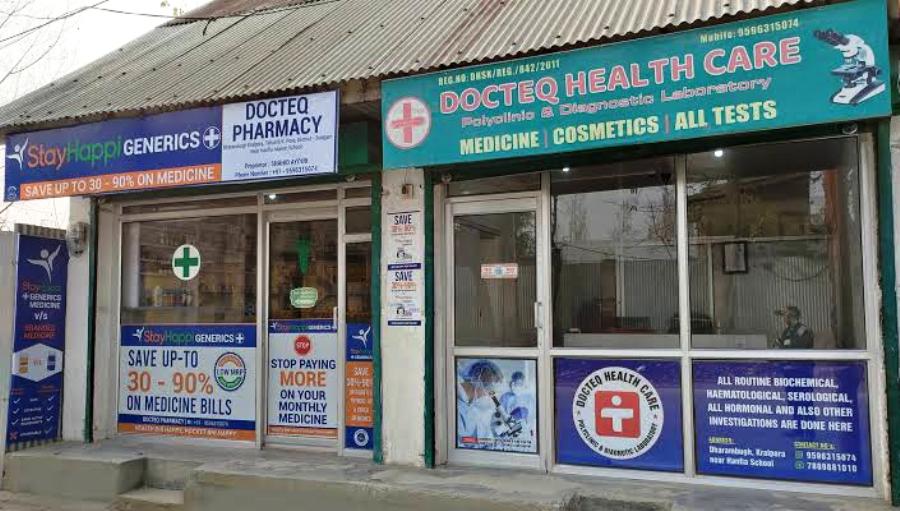
Medical debt strips families in Jammu and Kashmir of financial stability, physical well-being, and any sense of certainty about the future.
When illness strikes, many do not rush to a doctor. They pause, calculating the risk of financial ruin. In the region, where most healthcare is paid for out of pocket, the prospect of medical treatment often triggers anxiety rather than relief. Medical debt, unpaid costs for treatment, medicines, hospitalisation, or diagnostic tests, has become a quiet emergency that continues to devastate families across both urban and rural landscapes.
This burden emerges not only from major procedures or critical illnesses but also from everyday healthcare needs. Accidents, chronic disease, and inadequate public healthcare infrastructure together create a cycle of illness and indebtedness. With little or no health insurance and savings, families often resort to borrowing, selling property, or avoiding treatment altogether. Each choice comes with consequences that deepen both poverty and illness.
In rural parts of Jammu and Kashmir, access to healthcare remains severely limited. Many patients must travel to cities like Srinagar or Jammu for basic treatment. The cost of transport, accommodation, and food compounds the medical bills. With diagnostic tests and medicines becoming more expensive each year, families find themselves caught in a financial trap from which there is little chance of recovery.
Unlike a planned loan for a house or a vehicle, medical debt arrives without warning. In a region where there is no guarantee of health insurance, a single diagnosis can alter the course of an entire household’s life.
Heart conditions, particularly hypertension and cardiac arrest, have grown increasingly common in Jammu and Kashmir. Changes in diet, increased stress, and reduced physical activity have contributed to this trend. The cost of treatment is often overwhelming. A single procedure, such as angioplasty, can cost between ₹2 and ₹5 lakh in a private hospital. Even routine medication and check-ups create a monthly burden that can run into several thousand rupees.
In villages where people often depend on seasonal or informal work, such costs are beyond reach. Families turn to informal moneylenders, pledging land or livestock as collateral, only to fall further into the cycle of poverty.
Recent studies estimate that more than 10 per cent of adults in Jammu and Kashmir now live with diabetes. Management requires routine doctor visits, insulin, glucose monitoring, and frequent laboratory tests. This continuous care can cost ₹1,000 to ₹3,000 per month, excluding additional expenses from complications such as kidney or eye damage.
For low-income households, such expenditure is unsustainable. Many delay or forgo essential care. Over time, untreated symptoms lead to medical emergencies, multiplying the cost and increasing the risk of debt.
Cancer diagnoses are on the rise, with lung, breast, and stomach cancers becoming more prevalent. Treatment typically includes surgery, chemotherapy, and radiation therapy, and can cost anywhere between ₹5 and ₹20 lakh, often even more. A report published in 2023 noted that private healthcare facilities in the region charge exorbitantly for cancer treatment. Public hospitals such as SKIMS in Srinagar, while more affordable, are overburdened and have long waiting lists.
For families in remote districts, even reaching these centres is difficult. Many sell their homes, agricultural land, or livestock to fund treatment. After spending everything, they are left with nothing but a growing pile of debt and an uncertain future.
The cost of falling ill in Jammu and Kashmir is not limited to the body. It takes a toll on savings, livelihoods, and lives. In a region already grappling with instability and limited resources, the rising tide of medical debt is fast becoming one of its most pressing social crises.
The cold climate of Jammu and Kashmir, combined with persistent air pollution, has made respiratory illnesses increasingly common. Conditions such as asthma, chronic obstructive pulmonary disease, and tuberculosis affect a growing number of people. Although government schemes offer free tuberculosis treatment, hidden costs remain. Travel to distant hospitals, lost daily wages, and follow-up visits extract a heavy toll. Asthma and COPD patients rely on inhalers and regular consultations, with monthly expenses ranging from Rs 500 to Rs 2,000. For families dependent on daily wages, these recurring costs become unbearable, often forcing difficult decisions, borrowing money, skipping treatment, or cutting back on food.
Kidney-related diseases, frequently linked to diabetes and high blood pressure, are prevalent across the region. Patients diagnosed with kidney failure require dialysis, which costs between Rs 2,000 and Rs 5,000 per session, and most need two to three sessions every week. A transplant, which can cost Rs 10 to Rs 15 lakh, remains beyond reach for most families. A study conducted in 2021 revealed that many patients eventually stop treatment due to unaffordable costs, choosing slow deterioration over financial ruin.
Mental health issues are also rising. Years of political instability, persistent unemployment, and health concerns have led to increased rates of depression and anxiety. Yet treatment options remain scarce. Therapy and psychiatric medicines are expensive and largely unavailable in rural districts. For those living in remote areas, help is often too far away and too expensive to reach.
Road accidents, along with injuries resulting from past conflict, continue to occur in Jammu and Kashmir. Emergency surgeries, hospital admissions, and long periods of rehabilitation often follow. Costs for these treatments range from ₹50,000 to ₹5 lakh. In the wake of such incidents, families frequently borrow from informal moneylenders, locking themselves into high-interest debts that linger long after the wounds have healed.
Chronic illnesses such as diabetes and heart disease demand ongoing, lifelong care. Cancer and severe injuries, by contrast, require large amounts of money at once. In both cases, the financial burden is immense. With fewer than 15 per cent of residents covered by any form of health insurance, families must shoulder these costs themselves.
Medical debt in Jammu and Kashmir has moved beyond the economic realm. It shapes lives, behaviour, and futures.
One illness can wipe out years of savings. National figures estimate that nearly 55 million people in India fall into poverty each year due to healthcare costs. Jammu and Kashmir reflects that trend. A farmer who sells his land to pay for a relative’s cancer treatment may never recover financially, condemning his family to long-term poverty.
Fear of medical bills leads many to avoid hospitals altogether. Minor conditions are allowed to worsen until they become emergencies. Delayed care not only compounds health issues but also increases the eventual cost of treatment. This avoidance creates a cycle of fear and illness, damaging both body and mind.
Families often turn to friends, relatives, or informal lenders for loans. Interest rates of 20 to 50 per cent are common. A 2021 report revealed that low-income households across India, including in Jammu and Kashmir, are sinking into unmanageable debt. To meet repayment schedules, families reduce food intake or pull children out of school, setting off another chain of deprivation. In trying to stay alive, they sacrifice education, nutrition, and their future.
Public hospitals across Jammu and Kashmir often lack specialists, functioning equipment, or sufficient bed space, especially in districts far from city centres. A 2023 report by the JK Policy Institute documented long waiting periods, procedural delays, and a persistent absence of critical care infrastructure. These gaps push patients into the hands of private hospitals, where even basic treatment can cost more than most families earn in a month.
Medical debt not only affects health and savings. It erases aspirations. A family saving for a daughter’s marriage or a son’s education might be forced to divert every rupee towards a single hospital bill. In many households, young people abandon school to take up low-paying jobs so that loans can be repaid. What begins as a crisis of health quickly becomes a crisis of opportunity, shaping the lives of future generations.
The severity of the medical debt crisis in Jammu and Kashmir stems from a combination of factors. Healthcare remains largely unaffordable. Across India, 63 per cent of total health expenditure is paid directly by patients, one of the highest proportions in the world. In Jammu and Kashmir, where health insurance penetration is extremely limited, nearly all healthcare costs are borne by families themselves.
Public hospitals struggle to meet basic standards of care. Chronic shortages of doctors, broken machines, and unreliable supplies force many to seek private alternatives. The 2023 JK Policy Institute report pointed to these systemic failures, observing that even patients with minor conditions face significant delays.
Economic fragility deepens this crisis. Years of conflict, frequent political changes, and limited employment opportunities have weakened household incomes. In 2024–25, the region’s debt-to-GDP ratio reached 51 per cent, leaving the government with fewer resources to expand or strengthen the healthcare sector. Without public investment, the cost of staying healthy remains a private burden.
Some of the damage can be reversed. Improving government hospitals by recruiting more doctors, maintaining essential equipment, and reducing waiting times would make public healthcare a viable option again. Strengthening schemes such as Ayushman Bharat and expanding their coverage across Jammu and Kashmir would provide crucial protection for low-income families.
Health insurance must become both accessible and affordable. State and private initiatives should work to extend basic health plans to people in remote areas, where few currently exist. Awareness campaigns, focused on free public services and the dangers of informal lending, could help families avoid falling into avoidable debt. Community-led programmes could ensure that information about government clinics, screening camps, and treatment schemes reaches those who need it most.
Lastly, economic resilience needs to be restored. Employment programmes, microfinance support, and investment in small businesses can give families a financial cushion, allowing them to face emergencies without having to sell property or take loans at exorbitant rates.
Medical debt continues to alter the daily lives of ordinary people. It is present in the mother from Kulgam who skips her insulin doses so her children can eat. It surfaces in the father from Doda, who borrows lakhs from moneylenders to pay for surgery after a road accident. Conditions such as cancer, heart disease, and diabetes are no longer only medical diagnoses. In Jammu and Kashmir, they are triggers for financial collapse.
With no insurance and few public services to rely on, families are forced into impossible choices. What ought to be a system of care becomes a source of harm. Unless health infrastructure is reformed and families are protected, these stories will continue. Medical debt has already stolen too much money, health, and futures.
Sources: JK Policy Institute report, general health and economic indicators from public domain sources.
(Dr Umar Majeed is a Resident in the Department of ENT and Head and Neck Surgery at Government Medical College, Jammu, and Dr Aabid Nazir is a Junior Resident Doctor. Ideas are personal.)