A study in Shopian and Budgam documents 90 plant species used for medicine, food, fodder and livelihoods, highlighting traditional botanical knowledge and conservation concerns surrounding eight threatened medicinal plants.
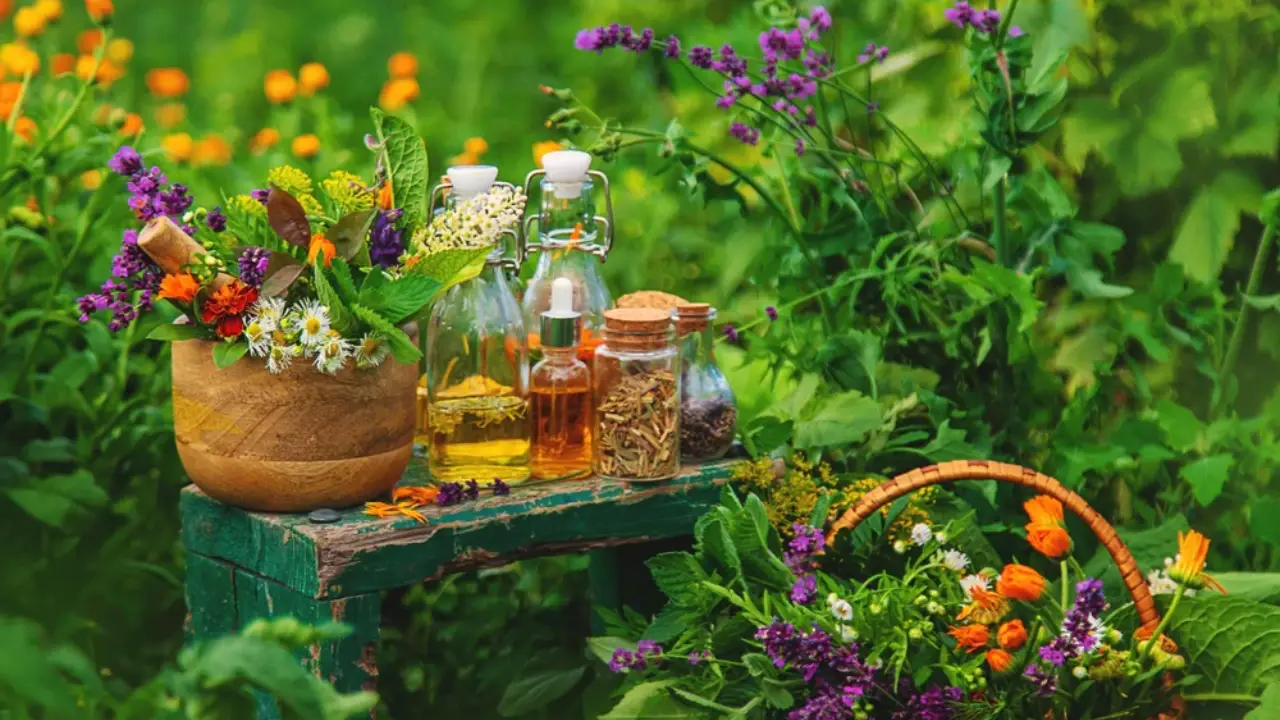
SRINAGAR: A study conducted in Kashmir’s Shopian and Budgam districts has documented 90 plant species used by local communities for medicine, food, animal fodder and other everyday needs, highlighting the continuing importance of traditional botanical knowledge in the region. The research also draws attention to conservation concerns surrounding several threatened species, many of which are harvested for their medicinal properties.
The study, Ethnobotanical Knowledge and Utilisation Patterns of Plant Species in Two Districts of Jammu and Kashmir, India, was conducted by Seema Bin Zanit, from the Applied Ecology Lab, Department of Botany, Baba Ghulam Shah Badshah University, Rajouri, and Mohammad Suliman Dar, from Government Degree College, Kokernag, Anantnag. It was published on in Ethnobotany Research and Applications.
Traditional Knowledge
The researchers conducted field surveys in Shopian and Budgam between 2018 and 2024. They used semi-structured, open-ended interviews with 75 respondents to document local knowledge about plants and their uses. Plant specimens were also collected and identified as part of the research.
The detailed results and conclusion of the paper report 90 useful plant species belonging to 79 genera and 45 botanical families. The findings illustrate how plant resources feature in multiple aspects of community life, from healthcare and food to livestock rearing and household needs.
Medicinal uses accounted for the largest category, with 49 species reported for this purpose. Another 22 species were used as food, while 18 were used as fodder. Thirteen species had ornamental uses, six were used for fuelwood and five for timber. The researchers also documented four species used in ethnoveterinary practices, three for beverages, two for fencing and one for religious purposes.
Some plants served more than one purpose. The study identified 23 multipurpose species, reflecting the different ways communities draw on the same plant resources.
The findings document reported traditional practices; they do not, by themselves, establish the clinical effectiveness or safety of plants used medicinally.
Plant Diversity
Herbs were the most commonly represented growth form, accounting for 67.78 per cent of the recorded species. Trees made up 20 per cent, shrubs 7.78 per cent and climbers 4.44 per cent.
The family Asteraceae had the highest representation, with 10 species, followed by Lamiaceae with eight. Fabaceae, Rosaceae and Salicaceae each contributed five species.
The researchers also recorded which parts of plants were used. Leaves were the most frequently reported plant part, associated with 38 species. Underground parts, including roots, rhizomes and tubers were used for 21 species. Fruits and seeds were reported for 16 species, aerial parts for 14, whole plants for 12, wood or stems for 11, and flowers for two.
These categories can overlap because different parts of a plant may be used for different purposes.
The prominence of leaves suggests that harvesting does not always require removing an entire plant. However, the use of roots, rhizomes and tubers can be more damaging because collecting these parts may injure or kill plants and affect their ability to regenerate.
Frequently Used
The researchers recorded citation frequencies to identify plants commonly recognised or reported by respondents. Taraxacum sect. Taraxacum received the highest number of citations, at 72, followed by Dolomiaea costus at 69 and Calendula officinalis at 61.
Other frequently cited plants included Robinia pseudoacacia, with 57 citations; Angelica glauca, with 55; and Canna indica, with 54.
These figures reflect respondents’ reported knowledge or use of the plants. They should not be interpreted as evidence of medicinal efficacy or as a measure of the plants’ clinical value.
The documentation of such knowledge is important because traditional practices can provide a basis for further botanical and pharmacological research. However, establishing whether a plant-derived remedy is effective and safe requires additional scientific investigation.
Conservation Concerns
Alongside documenting plant use, the study examined the conservation status of the recorded species. The researchers reported that 43 species were classified as Not Evaluated, 37 as Least Concern, four as Endangered, three as Vulnerable, two as Data Deficient and one as Critically Endangered.
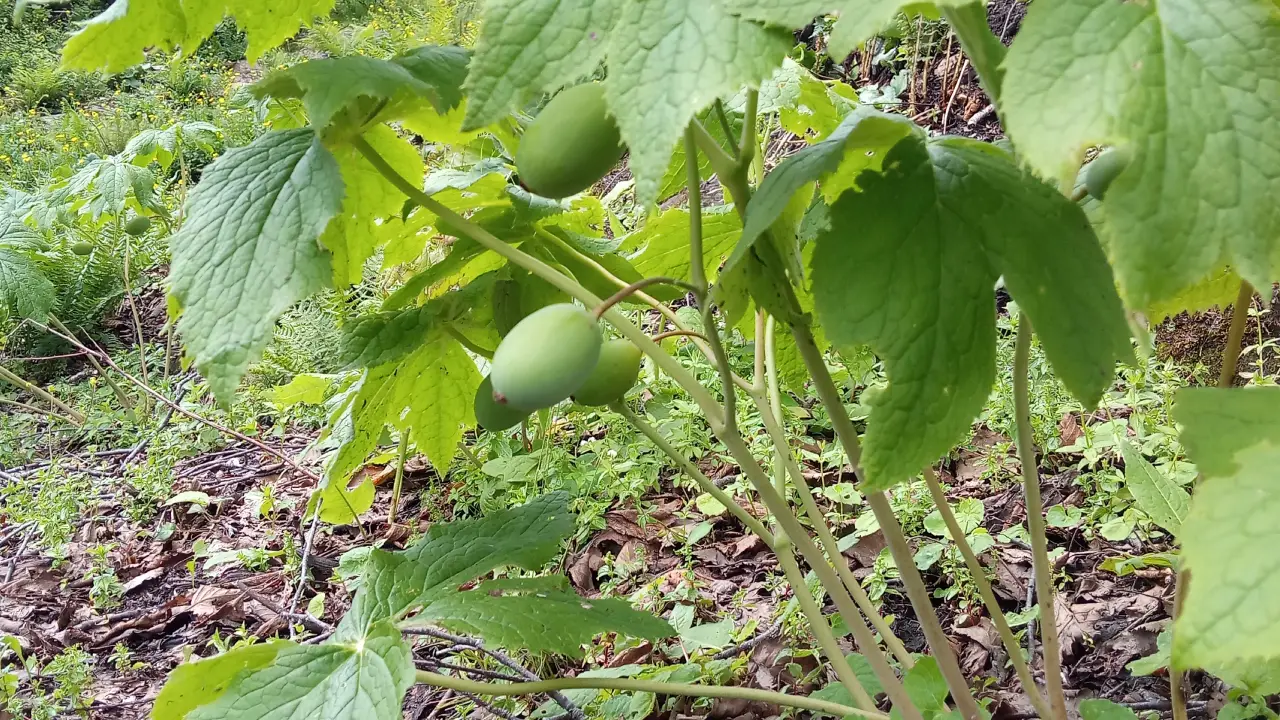
Eight species in the study were listed in threatened categories: Aconitum heterophyllum, Angelica glauca, Dolomiaea costus, Fritillaria cirrhosa, Picrorhiza kurroa, Podophyllum hexandrum, Trillium govanianum and Ulmus wallichiana.
All eight were reported to have medicinal uses. Some also served other purposes: two were used as food, one as fodder, one for fuelwood and one as an ornamental plant.
The overlap between traditional use and conservation concern highlights the importance of understanding how plants are collected and managed. In particular, harvesting underground parts can pose a risk to plant survival when it removes essential structures or prevents regeneration.
The study documents these species and their reported uses, but it does not establish that traditional harvesting is the cause of population declines. Assessing that relationship would require further field monitoring and population-level research.

Local Livelihoods
The survey also recorded information about the people who shared their knowledge with the researchers. Of the 75 respondents, 43 were men and 32 were women. People aged over 60 made up 42.7 per cent of the respondents, while 54.7 per cent identified farming as their occupation.
These findings provide context for the knowledge documented in the survey. The participation of older respondents is particularly relevant to understanding how plant knowledge is held and passed between generations, although the study does not establish how much knowledge has been lost or how transmission patterns have changed over time.
The researchers used convenience sampling, meaning participants were selected based on accessibility rather than through a random, representative sample of the wider population. The findings therefore provide a record of knowledge shared by the surveyed respondents, rather than a definitive measure of how widely each practice is followed across Shopian and Budgam.
Sustainable Use
The authors recommend sustainable harvesting practices, community-based resource management and long-term monitoring of threatened plant species. They also point to cultivation and domestication as possible ways to reduce pressure on wild populations of plants that are frequently collected.
Further research, including phytochemical and pharmacological studies, could help assess the properties and potential applications of species commonly reported for medicinal use.
The research offers a documented account of how communities in two Kashmir districts use local plant resources. At the same time, its findings underline the need to distinguish between preserving traditional knowledge and establishing the safety and effectiveness of remedies, as well as between documenting plant use and demonstrating its impact on wild populations.
By recording both the uses of plants and the conservation status of several species, the study provides a basis for further research into traditional botanical knowledge and the sustainable management of plant resources in the Kashmir Himalaya.