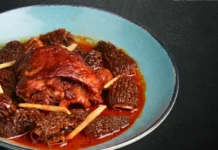
Unani and Ayurvedic practitioners describe fish as a medicinal food for the brain, heart, joints and women’s health, while advising careful preparation, seasonal timing, moderation and caution for certain groups, Babra Wani reports
“Eat fish, you will gain weight,” a Unani medicine practitioner suggested to Yawar, 24, a resident of Srinagar. He did. Within three months, his lean body had gained some mass. “Not just weight; it helps with a lot of health issues,” Yawar said, recalling the doctor’s words.
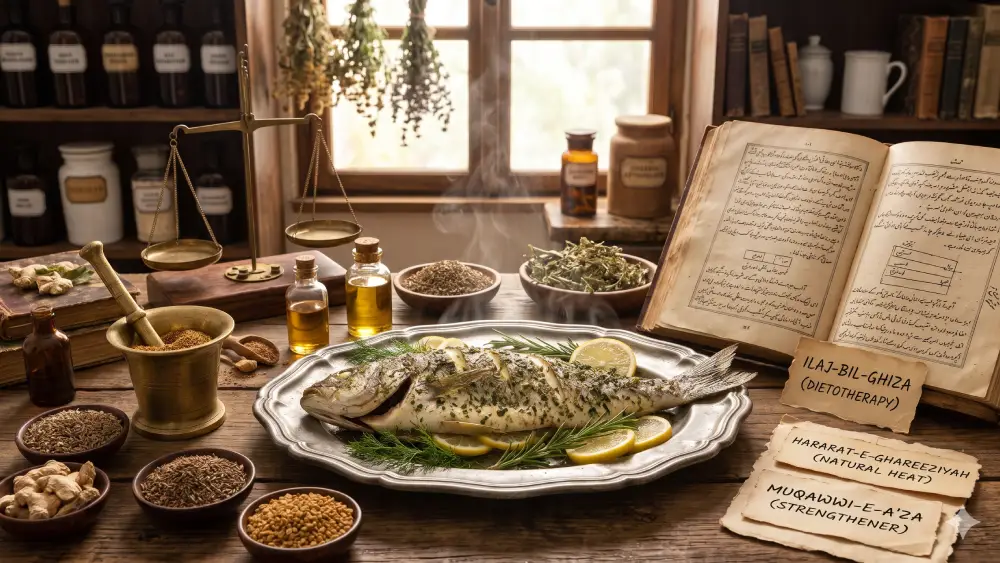
In Unani medicine, fish is regarded not merely as nourishment but as a medicinal food with a range of therapeutic properties. Dr Altaf Shah, Medical Officer in the Department of AYUSH, explained its significance. Fish, known as samak in traditional terminology, occupies an important place in Unani dietary therapy. It is valued for its perceived effects on digestion, blood formation, vital organs and the nervous system.
“In Unani medicine, fish falls under the category of medicinal food. It is a food in which medicinal properties are believed to be present,” he said.
Fish is considered important for nourishing the body and supporting cellular processes. One fundamental principle of Unani medicine is that food should replenish what the body loses through its normal functioning.
“The faster a food helps the body replenish what it has lost, the better it is considered in this context,” he said. Fish is traditionally valued for its perceived ability to support cellular renewal and the nourishment of vital organs, including the heart, brain and liver.

Easy Digestion
Dr Altaf said fish is relevant to dietary therapy because it is considered lateef and zood e hazm. These Unani terms describe food that is light and easily digestible.
“Compared with red meat, fish is generally considered easier to digest. However, this depends on the variety of fish, how it is raised and the method used to prepare it.”
Some varieties are considered beneficial for maintaining moisture in the body. In Unani terminology, this is associated with tarweeb e badan. Such nourishment is traditionally believed to help maintain the softness and hydration of the skin.
Altaf added that fish is also regarded as beneficial for people who need to gain weight or improve their general nourishment, including adolescents and adults. However, he emphasised that its effects depend on the type of fish consumed and the individual’s dietary requirements.
Cooling Humours
Dr Altaf said fish is generally classified as cooling and moistening in Unani medicine. This is linked to the system’s understanding of bodily temperament and the balance of its constituent qualities.
He referred to the traditional theory of the four humours: dam (blood), balgham (phlegm), safra (yellow bile) and sauda (black bile). According to Unani theory, balance between these humours is important for health. Imbalance is believed to contribute to illness.
“They should neither become excessive nor deficient, and their proportions should remain balanced,” he explained.
Within this framework, fish is considered beneficial in certain conditions associated with excess heat, such as burning sensations in the hands and feet. Some varieties are considered cooling and soothing, and are therefore traditionally recommended in such circumstances.

Brain Tonic
“Fish has traditionally been regarded as a brain tonic. It is considered beneficial for the brain, memory and intellectual functioning,” he said.
He added that modern nutritional science has also recognised the importance of certain nutrients in fish. These include omega 3 fatty acids and docosahexaenoic acid (DHA), an important structural component of the brain.
From the Unani perspective, maintaining moisture within the brain is traditionally considered important for its proper functioning. Fish is believed to help preserve this quality through its nourishing and moistening properties.
Nervous System
Dr Altaf also referred to the traditional concept of jauhar e nafsani, which he associated with the vital functions of the nervous system. “The brain and nervous system require proper nourishment. In Unani medicine, fish is considered a neuro-tonic as well as a brain tonic,” he said. It was traditionally recommended for people experiencing weakness associated with the nervous system.
“Fish is considered a natural source of nourishment for the brain and nerves. Its nutritional constituents, including omega 3 fatty acids and DHA, are important reasons why it is valued in the diet,” he said.
People experiencing neurological weakness, or those whose conditions affect the brain and nervous system, can benefit from including fish in their diet, provided it is prepared appropriately.
He also described fish as a food that can be consumed without side effects when prepared properly. He emphasised that the benefits attributed to fish depend partly on how it is cooked.
Women’s Health
Discussing women’s health, Dr Altaf said he particularly encourages women to consider fish as part of a balanced diet. He referred to women experiencing mood changes and hormonal symptoms, including those associated with the period around menopause.
He said the nutritional properties of fish can support general wellbeing and potentially contribute to a healthier dietary pattern during these stages of life. He added that fish consumption might help women avoid the need for hormone replacement therapy.
Heart Health
According to Unani medicine, the temperament of the heart is hot and dry, “while fish is generally considered cold and moist. From this traditional perspective, fish is believed to help counter excessive heat and dryness,” he said.
He stressed that the variety of fish mattered. He identified small fish from cold, flowing water as particularly desirable within the traditional classification.
He also discussed taltif e dam, a concept he explained as the thinning or refinement of blood. According to him, properly prepared fish is traditionally believed to help maintain the fluidity of blood and reduce the tendency towards internal clot formation.
These properties make fish a preventive food for certain cardiovascular concerns, including conditions associated with blood clots and cholesterol.
Bones, Joints
Fish contains nutrients relevant to the maintenance of bones and muscles, including calcium, vitamin D and phosphorus. The quantity varies considerably between species. Calcium is particularly abundant in fish whose edible bones are consumed.
Dr Altaf explained that Unani medicine classifies joint pain according to the patient’s temperament and the characteristics of the condition. He distinguished between inflammatory joint problems, associated with heat and swelling, and chronic, degenerative conditions such as osteoarthritis.
“In cases where the joint is inflamed, with burning, redness and swelling, fish may be considered beneficial within the Unani framework because of its traditionally recognised cooling properties,” he said.
He then distinguished these symptoms from chronic joint pain linked to degenerative changes, particularly in older people. He said, “balgham, or phlegm, is one of the humours in Unani medicine and excess or abnormal accumulation of this humour is traditionally associated with certain types of chronic pain.”
Such pain could become more troublesome in cold weather. It could also worsen in people whose symptoms were aggravated by foods they perceived as cold, including milk and yoghurt.
“In such cases, the approach may be different. If a person with chronic joint pain wishes to eat fish, the method of preparation becomes important in Unani practice,” he said.
He recommended cooking fish with warming spices such as ginger, carom seeds, black pepper and garlic. “These ingredients can alter the overall temperament attributed to the dish and make it more suitable for people experiencing symptoms associated with coldness.”
“You can steam, bake, grill fish but never fry it as it destroys the nutritional values of the fish. And fish should be consumed twice or thrice weekly, but it depends on age, season, and gender. The best season to consume fish is during the winters. Avoid fish during monsoon as the fish mostly is infected. For females it is good if given above the age of 45, and for men if given below the age of 45.”

Quranic View
According to Dr Aqsa Nourain, Islamic scholar and life coach, “the Qur’an highlights the significance of fish and seafood as blessings from Allah Almighty.”
In Surah Al Ma’idah (5:96), Allah says, “Lawful to you is the pursuit of game from the sea and its food, as a provision for you and for travellers.” This verse establishes the permissibility of seafood and recognises its benefits for human needs.
Similarly, Surah An Nahl (16:14) states, “And He, it is Who has subjected the sea, that you may eat fresh meat from it…” This refers to the flesh of marine creatures, including fish.
“In Unani medicine, fish is not assessed solely in terms of its nutritional content, such as protein and calories. Its qualities, digestibility, effects on the body and suitability according to an individual’s temperament, or mizaj, are also taken into consideration. Classical Unani texts describe different varieties of fish differently in terms of their qualities and effects; therefore, it would not be accurate to assume that all types of fish have the same temperament,” Dr Aqsa added.
Ayurvedic View
Fish is considered a great food in Ayurveda as well.
Dr Shaista, Ayurvedic General Physician, explained that fish, known as Matsya in Ayurveda, is a nutritious animal based food. It can provide strength, nourishment and energy. Classical Ayurvedic texts, including the Charaka Samhita and Sushruta Samhita, discuss fish in the context of dietetics, digestion and its effects on the body. Fish is described according to its habitat, taste and other characteristics. Different varieties are believed to have different effects on an individual’s health and constitution.
According to Ayurvedic principles, fish consumption may influence the three doshas: Vata, Pitta and Kapha. Nourishing fish preparations may help balance Vata (air and space) because of their unctuous and nourishing qualities. Certain varieties, particularly when prepared with excessive spices or other heating ingredients, may aggravate Pitta (fire and water). Heavy and oily preparations may increase Kapha (earth and water) and contribute to feelings of heaviness or sluggish digestion.
Ayurveda distinguishes between freshwater and seawater fish based on their traditional properties. Certain freshwater varieties are described as nourishing and supportive of tissue development. Rohu, also known as Rohita, is mentioned in classical descriptions. Seawater fish are traditionally characterised as heavy, unctuous and warming in potency, with the potential to reduce Vata while increasing Kapha. The Sushruta Samhita, in its discussion of food substances, also describes differences between freshwater and marine fish.
Dr Shaista added that the right quantity and frequency depend on several individual factors. These include digestive strength, known in Ayurveda as Agni, body constitution or Prakriti, activity levels, age and overall health. Ayurveda does not prescribe one fixed quantity for everyone.
Preparation matters too. Dr Shaista recommends homemade spices such as ginger, garlic and cumin. She advises cooking fish thoroughly and lightly, and avoiding excessive oil and deep frying, to support digestion and overall wellbeing.
Who Should Beware
Ayurveda also discusses Viruddha Ahara, or incompatible food combinations. Fish with milk is commonly cited in traditional Ayurvedic dietary discussions as one such combination. The two are understood to have different qualities and effects on the body. In Unani medicine as well, the combination is not recommended. Dr Altaf said, “it can cause several issues.” Modern science has not established this.
Dr Shaista Manhas said children, pregnant women and people with fish allergies, gout, kidney disease or digestive problems should exercise caution when consuming fish,