by Umaima Reshi
Venezuelan opposition leader Maria Corina Machado wins the 2025 Nobel Peace Prize for her fearless fight to restore democracy and peace in her authoritarian-hit nation.
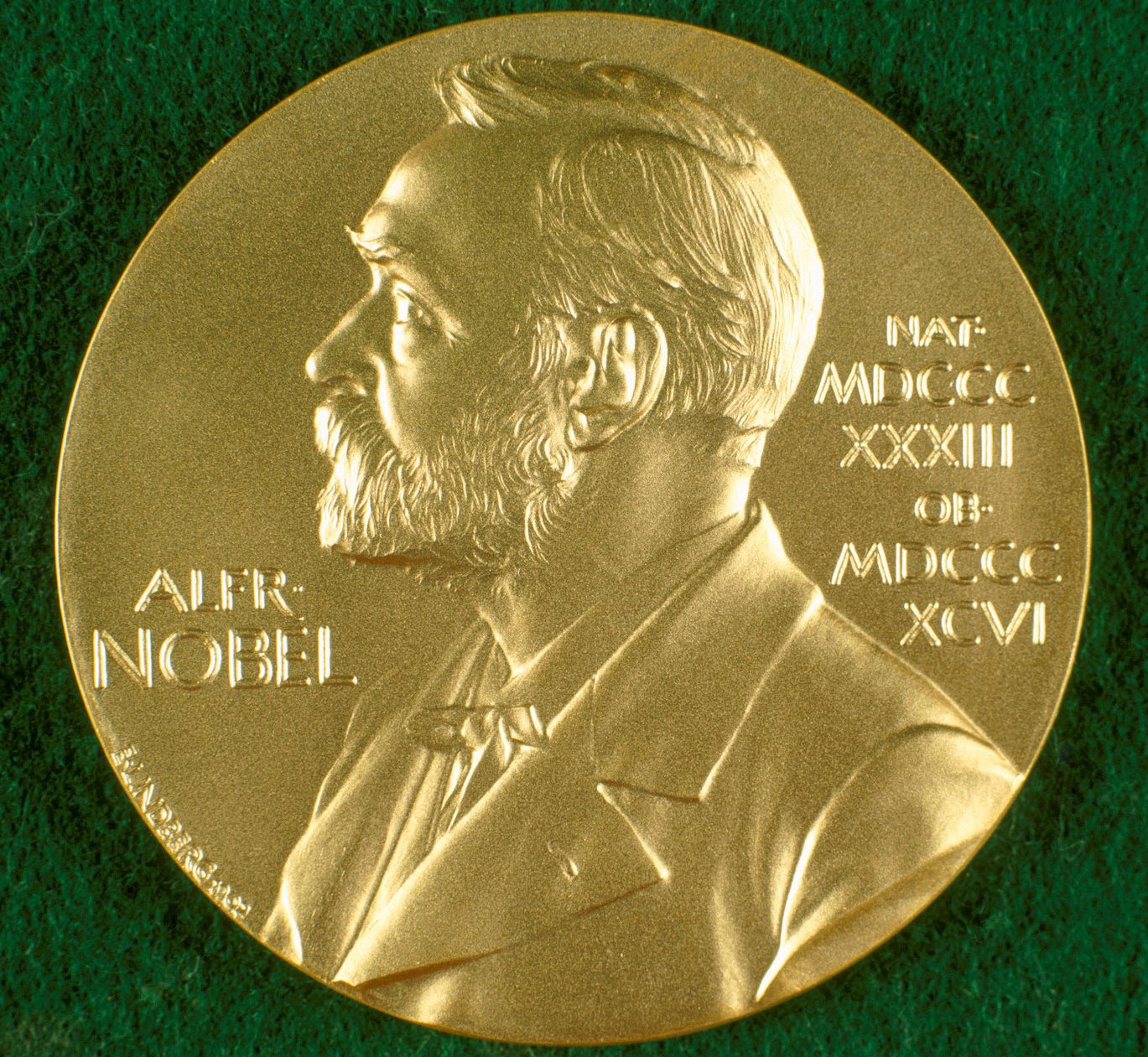
When the call came from Oslo, Maria Corina Machado could barely speak. “Oh my God… I have no words,” she gasped, moments before the world learned that the 2025 Nobel Peace Prize had gone to the woman who has become the face of Venezuela’s long, painful struggle for democracy.
The Norwegian Nobel Committee honoured Machado “for her tireless work promoting democratic rights for the people of Venezuela and for her struggle to achieve a just and peaceful transition from dictatorship to democracy.” It called her “one of the most extraordinary examples of civilian courage in Latin America in recent times.”
For more than two decades, Machado has stood firm against a regime that transformed Venezuela from one of the richest democracies in South America into an authoritarian state marked by repression, hunger, and exodus. Nearly eight million Venezuelans have fled the country, while those who remain face widespread poverty and fear. Yet, amid this darkness, Machado’s defiance became a rallying cry.
She began her political journey in the 1990s after studying engineering and finance, founding the Atenea Foundation for street children in Caracas. Later, as a co-founder of Súmate, she campaigned for free and fair elections under the banner of “ballots over bullets.” Elected to the National Assembly in 2010 with record votes, she was expelled four years later when her criticism of the regime became too bold.
Leading the Vente Venezuela party, she refused exile and continued her fight inside the country, uniting a fractured opposition under a single cause: restoring the people’s right to choose their leaders. “It was a choice of ballots over bullets,” she once said—a line that would come to define her legacy.
In 2023, Machado announced her presidential bid for the 2024 election, only to be disqualified by the government. Instead of giving up, she supported Edmundo González Urrutia, a fellow opposition candidate. Together, they organised thousands of volunteers to monitor polling stations and document results. Despite intimidation, arrests, and torture, Venezuelans guarded their votes, determined to expose the truth. When the regime declared victory, the opposition released the actual tallies, showing a clear opposition win. But the government refused to relinquish power.
Speaking after receiving the news of her Nobel win, Machado said she accepted it “as a recognition to our people, to the millions of Venezuelans that are anonymous and risking everything they have for freedom, justice and peace.” Her voice, cracking with emotion, added, “I’m humbled, I’m grateful, and I’m honoured. We are in the final stage of a very long, painful struggle for freedom.”
The Nobel Committee emphasised that democracy is a prerequisite for lasting peace and warned that its erosion is a global crisis. “In 2024, more elections were held than ever before, but fewer and fewer are free and fair,” the Committee said, drawing parallels between Venezuela and a wider authoritarian resurgence.
In its citation, the Committee also noted that Machado met all three conditions outlined in Alfred Nobel’s will: she united her country’s opposition, resisted the militarisation of society, and remained committed to peaceful transition. Despite living in hiding and facing threats to her life, she refused to leave Venezuela, inspiring millions with her endurance.
When Kristian Berg Harpviken, Director of the Norwegian Nobel Institute, called to inform her of the award, she was stunned. “This is an achievement of a whole society,” she told him, “I certainly do not deserve this alone.” Harpviken replied gently, “I think both the movement and you deserve it.”
Machado’s victory is more than personal recognition, it is a signal to the world that democratic courage still matters. In a hemisphere shaken by populism and repression, her struggle shows that peace is not the absence of conflict, but the persistence of hope.
As the news spread across Venezuela, many saw in it a rare moment of light. “We’re facing and living the darkest hours,” Machado said in her interview, “but at the same time, there’s enormous hope rising.”
For a nation bruised by years of silence, her Nobel Prize is not merely an award, it is a reminder that even under an authoritarian shadow, one woman’s courage can still keep the flame of democracy burning.