A study of 430 Kashmir chest trauma patients proves that structured clinical protocols achieve excellent recovery rates and zero mortality
SRINAGAR: Adherence to structured clinical protocols and prompt surgical intervention guarantees highly successful outcomes in managing chest trauma within resource-limited settings, achieving an exceptional zero per cent in-hospital mortality rate. A landmark five-year prospective study tracking 430 patients has revealed that robust emergency frameworks allow thoracic injury victims to recover rapidly. Over 58 per cent of cases were successfully discharged within five days.
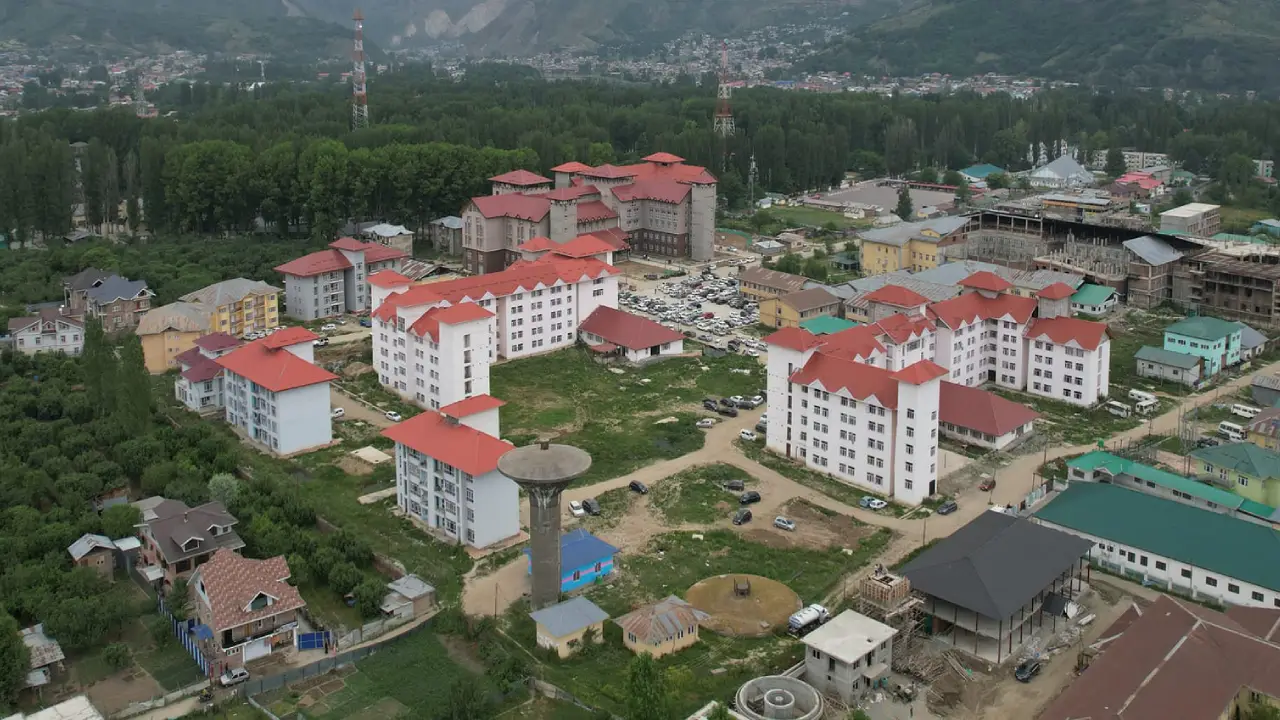
The extensive clinical audit proves that structured rural healthcare systems can triumph over severe logistical challenges. The paper, Patterns, management and outcomes of chest trauma in a rural tertiary care hospital in North Kashmir: a prospective observational study, was published in October 2026 within the International Journal of Research in Medical Sciences. The investigation was authored by a team of clinical experts comprising Dr Mir Mushtaq Ahmad, Dr Ishtiyaq Ahmad Ganaie, Dr Mehmood Rashid Sheikh, Dr Afak Yusuf Sherwani, and Dr Syed Mohsin Manzoor. All five researchers conducted their prospective analysis at the Department of General and Minimal Access Surgery at the Government Medical College in Baramulla, situated in North Kashmir, India.
Patient Profiles
The medical team evaluated data collected between July 2020 and July 2025. Males constituted the vast majority of the cohort. The researchers treated 320 male patients and 110 female patients. The median age of the group was twenty-five years. This reflects a demographic at peak physical activity. Forty pediatric patients were included in the study. They represented 9.3 per cent of the cases.
Blunt trauma was the predominant type of injury. It accounted for 390 cases or 90.6 per cent. Penetrating trauma was recorded in only 40 cases. Road traffic accidents were the leading cause. They resulted in 200 patient admissions. Falls from heights were a close second with 184 cases.
The team also managed 20 cases of interpersonal assault. Twelve patients suffered from blast or firearm injuries. Falling objects injured eight people. Animal-related trauma caused six admissions.
Injury Patterns
Many patients sustained multiple overlapping thoracic injuries. Superficial trauma was highly frequent. The doctors recorded 150 cases of bruises. Abrasions were present in 100 individuals. Lacerations were observed in 22 cases.
Severe internal injuries required urgent care. Rib fractures were noted in 130 patients. This made up 30.2 per cent of the group. Pulmonary contusions affected 84 patients.
The team diagnosed pneumothorax in 70 cases. Hemothorax was identified in 60 patients. Another 30 individuals suffered from hemopneumothorax. Subcutaneous emphysema was found in 40 cases. Flail chest was seen in four patients. Diaphragmatic injuries appeared in just two cases.
Concomitant injuries complicated many thoracic trauma cases. Associated injuries were seen in 132 patients. Isolated head injuries occurred in 22 individuals. Abdominal trauma was found in 10 cases. Combined head and abdominal injuries affected 20 patients. The authors noted that “missed concomitant injuries can worsen outcomes”. A multidisciplinary approach was therefore essential.
Treatment Pathways
Conservative management proved highly effective for stable individuals. This strategy sufficed for 230 patients. This represents 53.4 per cent of the population. The authors stated that “early resuscitation, pain control and oxygenation can suffice in stable cases”. Close monitoring remained a strict requirement.
Surgical interventions were utilised when necessary. Tube thoracostomy was required for 130 patients. This life-saving measure was highly cost-effective. Thoracotomy was performed on 68 patients. Nine of these cases were referred onward. They went to a higher centre for cardiothoracic intervention. Associated abdominal trauma required two laparotomies.
Recovery Timelines
The duration of intercostal tube drainage varied among patients. Drainage lasted under four days for 20 cases. It lasted between five and nine days for 70 patients. Twenty-five individuals required drainage for ten to fourteen days. Only 15 patients needed it for fifteen to nineteen days.
Hospital stays were generally short. The institution discharged 250 patients within five days. Another 120 patients stayed for six to ten days. Thirty-five cases required eleven to fifteen days of hospitalisation. Twenty-five patients remained in hospital for sixteen to twenty days. No patient stayed longer than twenty days.
Complications were remarkably low during the study. Bronchopleural fistula occurred in six patients. Empyema was recorded in only one individual. No in-hospital mortality occurred. The authors attribute this to quick protocols.
However, they acknowledged certain limitations. The study excluded patients dead on arrival. It also excluded early unstable transfers. Long-term follow-up data were not available