by Umair Ul Umar
Merit-based employment should celebrate individual achievement, not political publicity, preserving dignity, fairness, and recognition of hard-earned success.
There was a time when employment was regarded as a sacred acknowledgement of merit, dedication, and capability. Our elders often recall an era when a qualified candidate would receive a registered letter at home informing them of their selection or training. The process was simple, dignified, and respectful. There were no grand ceremonies, no political banners, and no attempts to convert an individual’s achievement into someone else’s publicity campaign. The job belonged to the candidate. The celebration belonged to the family. The credit belonged to hard work.
Today, the story appears strikingly different. A young aspirant spends years burning the midnight oil, sacrificing comfort, overcoming financial hardships, and competing against thousands, sometimes even lakhs, of candidates. Success comes only after clearing rigorous examinations, interviews, and merit-based evaluations. The appointment is not a gift. It is not a favour. It is not an act of charity. It is the rightful outcome of talent, perseverance, and determination.
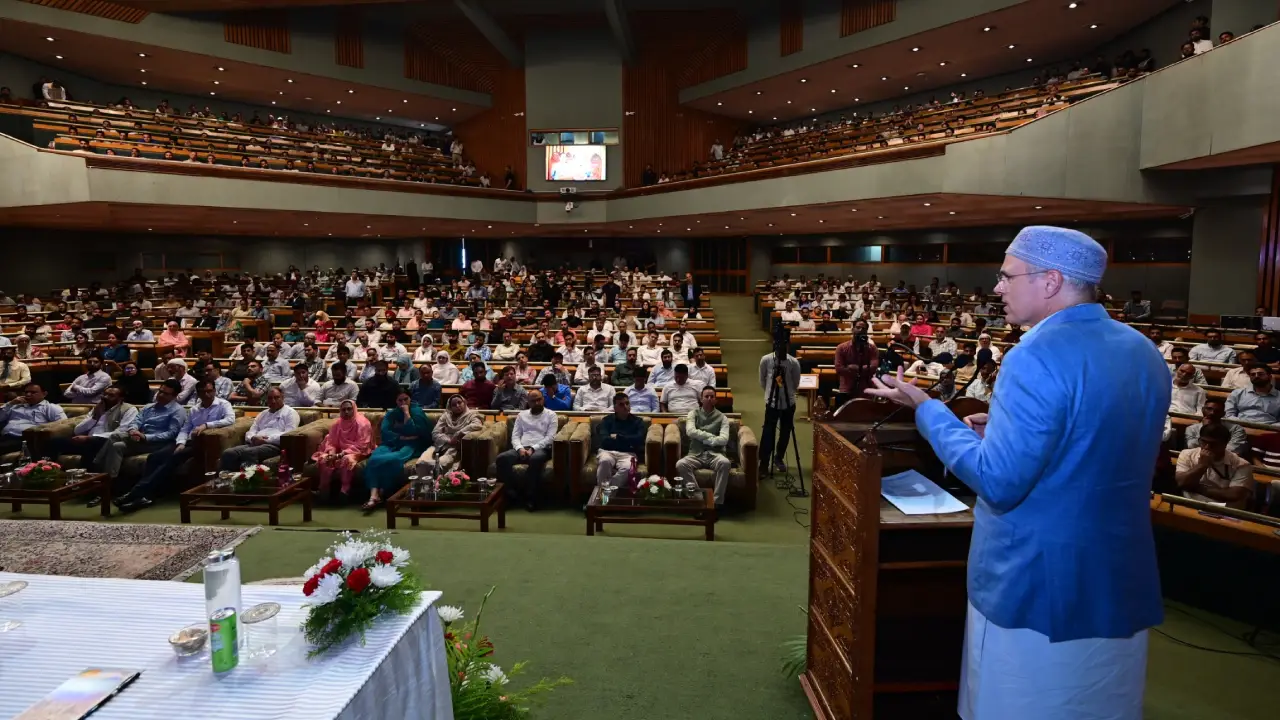
Yet, at the final stage, something unfortunate often happens. The deserving candidate is transformed into a public spectacle. Appointment letters are distributed on decorated stages. Cameras flash. Speeches are delivered. Dignitaries pose for photographs as if the employment itself were a personal contribution from them. The narrative subtly shifts from “This individual earned a job” to “We gave this individual a job.” This distinction is not merely semantic. It strikes at the very heart of meritocracy. A government job secured through a transparent process is not a political donation. It is the constitutional right of a qualified citizen who has successfully navigated a competitive system.
When public representatives present such appointments as personal achievements, they inadvertently diminish the years of struggle endured by successful candidates. The candidate becomes a prop. The stage becomes the focus. Merit takes a back seat while political optics occupy the front row. Ironically, those standing on the dais often have no direct role in the candidate’s preparation, examinations, or selection. They did not spend sleepless nights studying textbooks. They did not appear in competitive examinations. They did not compete against thousands of aspirants. Yet, they become the most visible faces associated with the appointment.
The real heroes remain seated in the audience. A society that values excellence must learn to celebrate achievement without appropriating it. Public institutions should honour successful candidates by recognising their hard work rather than presenting their success as a political accomplishment. The spotlight should remain where it belongs: on the individual who earned the position through merit. There is nothing wrong with congratulating successful candidates. There is nothing wrong with appreciating the effectiveness of recruitment systems. However, there is a significant difference between acknowledging success and claiming ownership of it.

A nation’s progress depends upon strengthening the culture of merit. Every time a deserving candidate receives an appointment, the message should be clear: talent has triumphed. Hard work has prevailed. Merit has been rewarded. The young generation deserves to hear that their future depends upon their abilities, not on proximity to power. They deserve to feel that their achievements belong to them and not to those seeking applause from a stage.
Employment should never be converted into a ceremonial display of political generosity. It should remain what it truly is: the victory of perseverance over obstacles, dedication over distractions, and merit over mediocrity.
The appointment letter carries the candidate’s name, not the name of those holding the ceremony. And that is precisely where the credit should remain.
(The author is an educator at GGHSS Yaripora Kulgam. Ideas are personal.)