by Syed Majid Gilani
From kiryana shops and PCOs to Internet cafés, coaching centres and fast-food outlets, Srinagar’s changing businesses trace the city’s social and technological transformation.
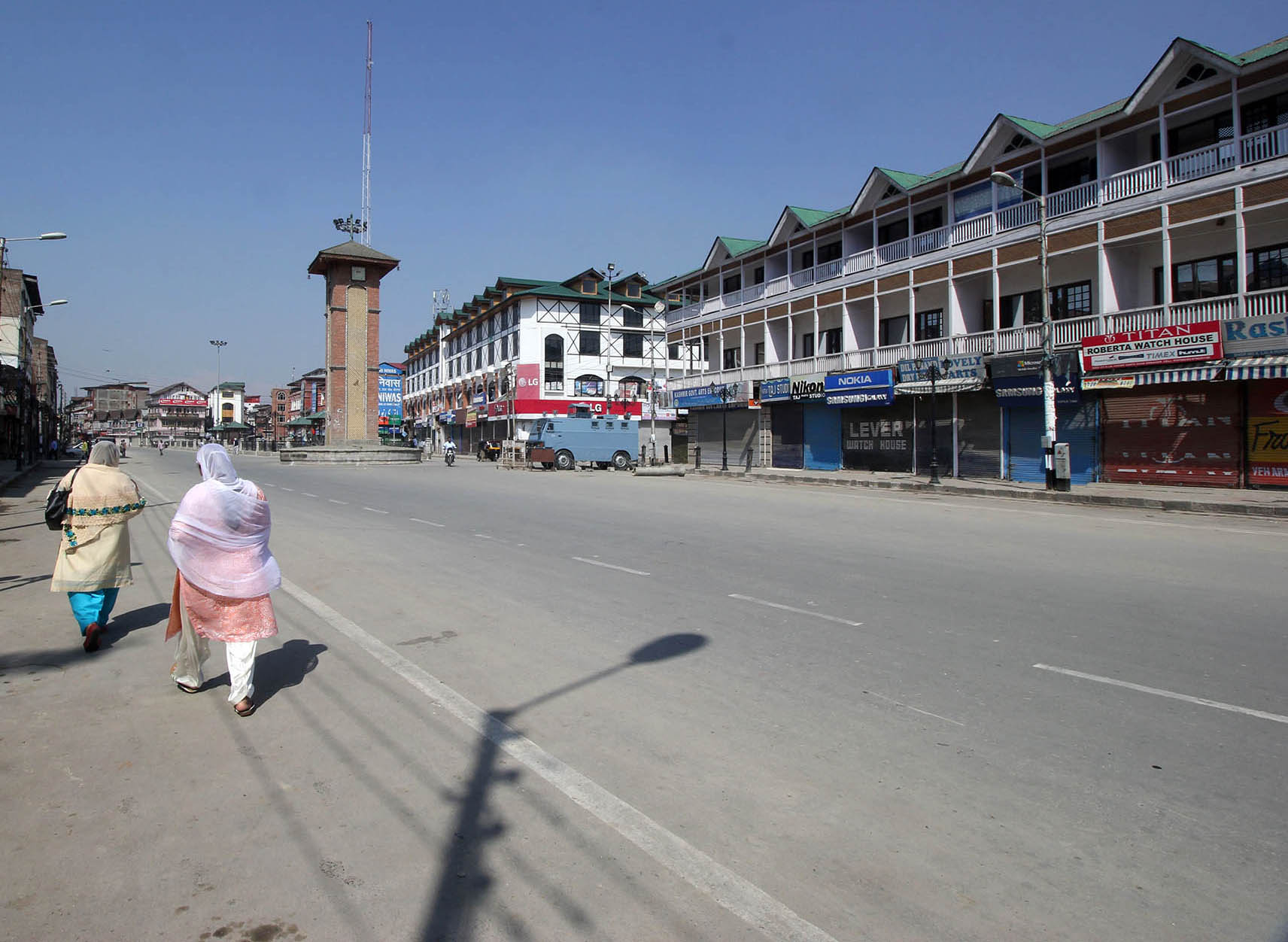
When I look back at Srinagar today, many memories return through the businesses I saw around me. They were ordinary things then. Somehow, they stayed.
I have watched this since the 1990s. One business would begin doing well. People would notice. Before long, the same kind of business would appear in different parts of the city.
Sometimes it seemed as if the entire city had suddenly discovered the same idea.
I remember the small kiryana shops of those years. The 1990s were not easy years in Srinagar. Curfews, hartals and restrictions on movement were familiar parts of life.
People often preferred buying their daily needs close to home. A room facing the road could become a shop. A small portion of a house was enough. Even a little space along a boundary wall could be turned into a counter.
A few shelves, some everyday items, and a shop were ready.
Slowly, these little grocery shops became part of almost every colony and mohalla. They became woven into the daily rhythm of neighbourhood life.
Then came the photostat and lamination shops.
Students needed copies of notes. People needed forms and applications. Offices needed documents. Certificates and important papers had to be copied, and often laminated.
For some years, photostat shops seemed to be everywhere. I can still remember people standing around, waiting for their documents.
Then came the STD, ISD and PCO booths.
Today, when almost everyone carries a mobile phone, it is difficult to imagine what those little booths once meant. If you wanted to make a telephone call, you went to a PCO.
Sometimes there was a queue. Sometimes you waited for someone to finish talking. If the call was important, you simply stayed there patiently.
Many PCOs also offered photostat, fax and lamination services. For a while, they were among the most familiar sights in Srinagar.
Then technology moved on.
Landline telephones became more common and, later, mobile phones arrived. The PCOs slowly disappeared. There was no particular day when they ended. They simply became unnecessary. I also remember the computer training institutes.
Computers were new and exciting. Young people wanted to learn typing, MS-DOS, Windows and other basic computer skills. One institute opened, then another, and then several more. For many young people, entering a computer institute was their first close encounter with a machine that seemed to belong to the future.
Not long afterwards, Internet cafés began appearing across the city.

Going to an Internet café was an experience in itself. We went there to send emails, search for information, browse websites or simply explore this new world that had opened before us.
I still remember sitting in front of those computers and waiting for a page to open. Sometimes the waiting seemed longer than the actual browsing.
Today, the Internet lives in our phones. The cafés that once seemed so modern have almost disappeared.
Yet for those of us who experienced them, they remain part of a particular Srinagar.
Then came coaching centres.
They began to mushroom across the city. Students and parents started looking for them, and soon coaching centres could be found in almost every part of Srinagar.
After that came fast food.
Burgers, pizzas, rolls and other quick foods began appearing in different areas. One outlet would become popular and, before long, several others would emerge offering much the same products and services.
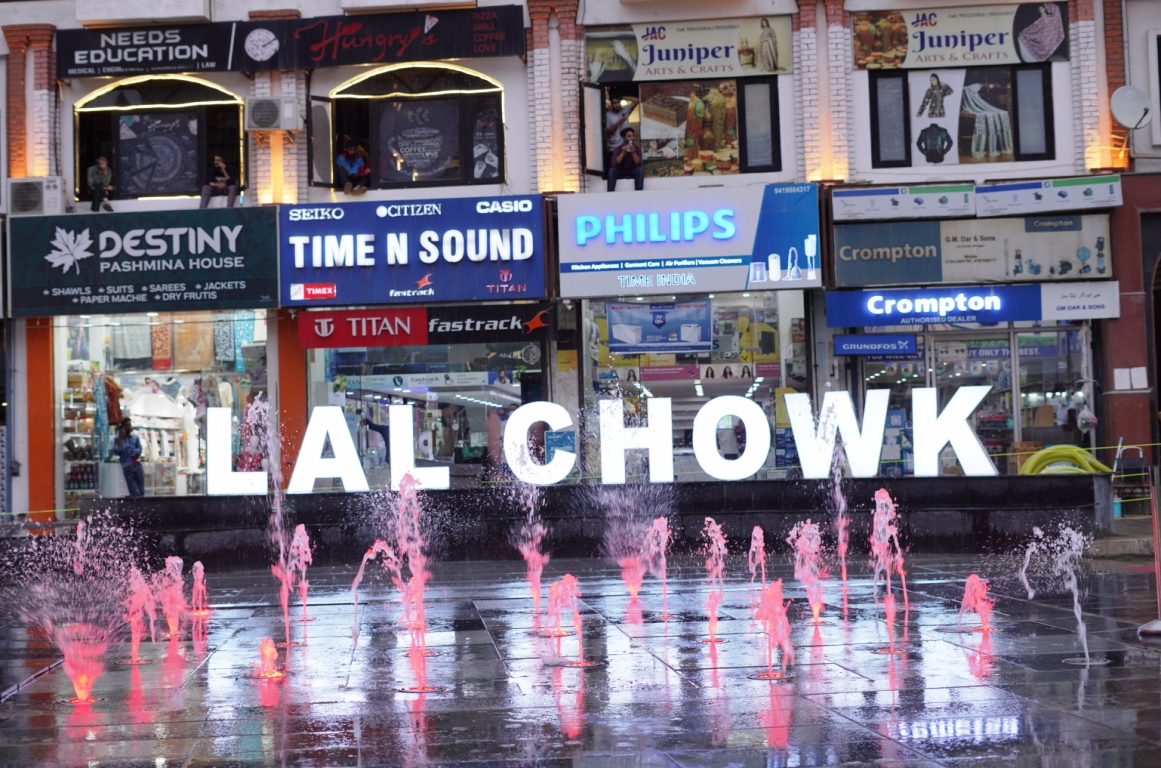
The pattern was familiar.
An idea worked. People noticed. Others followed.
In recent years, departmental stores have become increasingly common. In almost every other market, one can find them.
There are businesses today that were not even part of our imagination when the old PCOs and Internet cafés were still part of everyday life.
And then came another trend: the mushrooming of journalism.
With smartphones in almost every hand, everyone seemed to have the means to become a journalist or photojournalist. Social media opened an enormous space for this, welcoming anyone with a camera, a story and an audience.
Today, that trend is in full bloom.
Over the years, I have kept seeing the same kind of change in different forms.
Businesses came. They became common. They changed with time. Some disappeared. Some remained for years. Some survived by reinventing themselves.
When I think about all this now, I remember not only the businesses but also the Srinagar around them.
I remember the colonies and mohallas, the familiar faces, the small counters, the queues, the signboards and the streets we travelled every day without giving them a second thought.
We were simply living our lives.
We never imagined these ordinary things would one day become memories.
A shop opened on a familiar street. Years passed. Another signboard appeared. An old one disappeared.
A business we once saw everywhere slowly became part of the past, and something new took its place.
The city kept moving while we lived our own lives.
I have watched Srinagar change like this since the 1990s.
Looking back now, these businesses seem like little markers of time. Each one takes me back to a particular period: the way the streets looked, the things people needed, the places they went and the way the city felt.
Perhaps, while reading this, someone will remember the first PCO from which they made a telephone call. Someone may remember sitting in an Internet café and waiting for a page to load. Someone may remember the computer institute they first entered, the little grocery shop in their colony or mohalla, or the first fast-food outlet they visited with friends.
We may remember different things, but they belong to the same Srinagar. This is simply a small glimpse into my Srinagar, the Srinagar I have watched since my school days. At the time, these were just ordinary shops and businesses we passed every day. Today, they have become memories. And perhaps, somewhere among these memories, you may find a little bit of your own Srinagar too.
(The author is a government officer by profession and a storyteller by passion. Ideas are personal.)