by Amreen Qadir
The death of a pregnant woman and her unborn child in Gurez exposes systemic healthcare failures, gender inequality and administrative apathy, demanding urgent reforms in maternal care and emergency medical access.
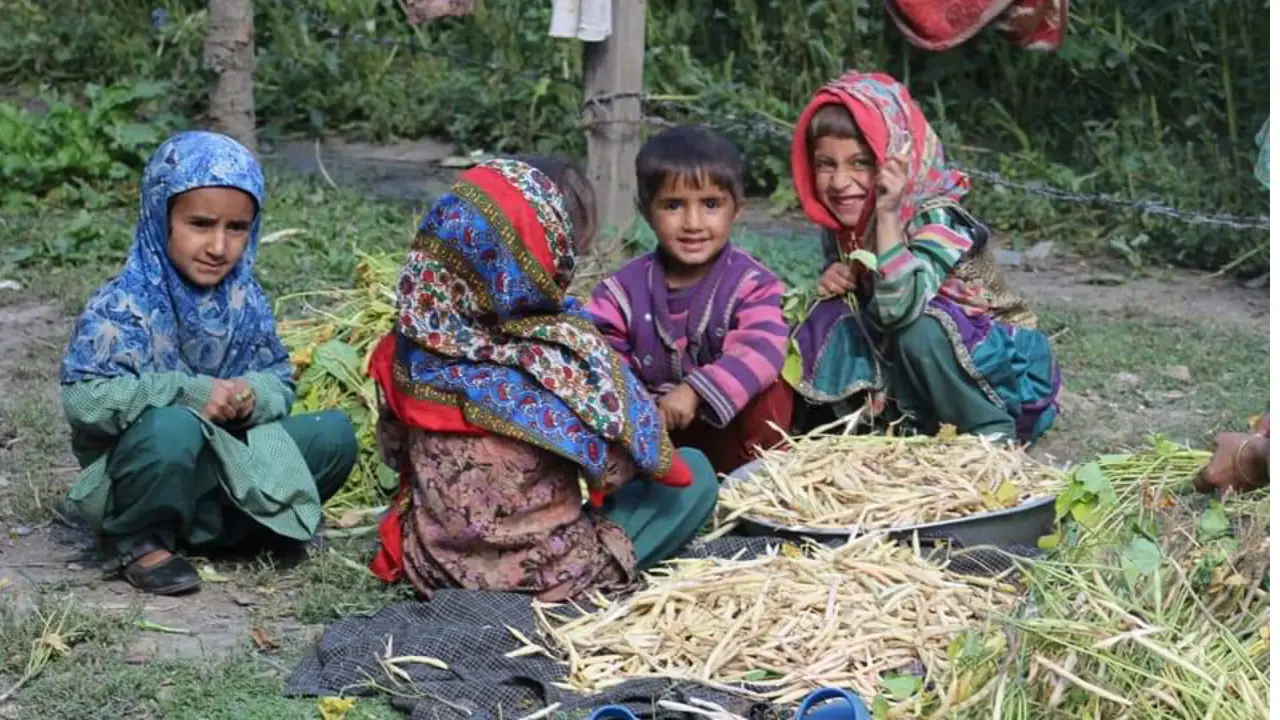
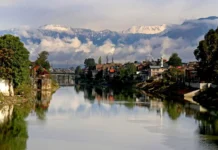
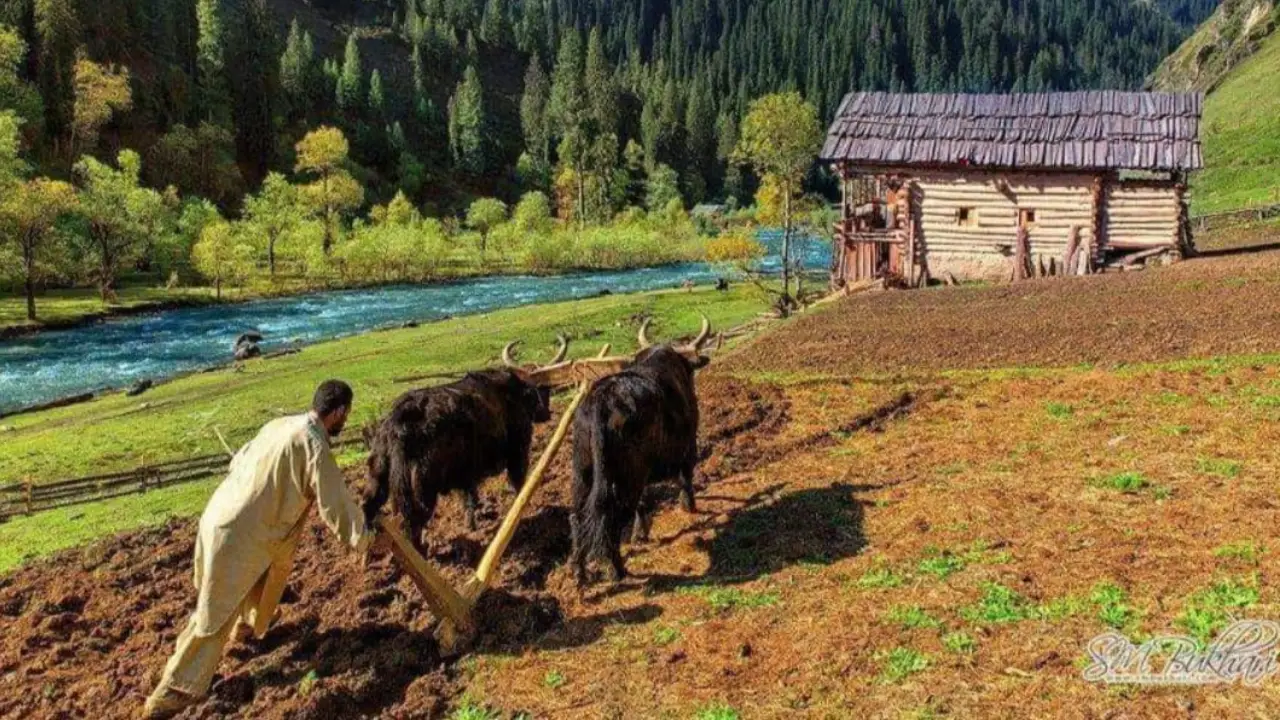
There is a cruel contrast between how the world perceives the Gurez Valley and how its people experience it. To outsiders, Gurez is a postcard of pristine landscapes, snow-capped peaks and untouched mountain beauty, heavily promoted as a seasonal tourist destination. To the women and residents who live there, however, this paradise can turn into a death trap the moment winter descends upon this high-altitude border region. Are the people of Gurez meant only to serve as scenic backdrops for tourism while being denied basic human dignity and the fundamental right to life?
The death of Haseen Begum, a young pregnant mother from Mazgund village in Tulail, and her unborn child is not an isolated medical mishap. It is an indictment of institutional failure. Earlier, a young man from Kanzalwan had died under similar circumstances after an unaddressed medical emergency. Systemic neglect, bureaucratic red tape and administrative apathy continue to treat the lives of people in peripheral border areas as secondary.
The harrowing sequence of events began on a cold Tuesday night when Haseen went into labour. Her family rushed her to the local Primary Health Centre at Sheikhpora, only to find empty corridors and no medical personnel on duty. Her distressed relatives put her in a vehicle and undertook the gruelling journey to the Sub-District Hospital (SDH) at Dawar. Tests at SDH Dawar revealed a dangerously low haemoglobin level, and she went into hypovolaemic shock. Around midnight, the heart of her unborn child stopped beating in the womb. Doctors urgently referred her to District Hospital Bandipora, more than 80 kilometres away, across the treacherous Razdan Pass.
A horrific, hours-long standstill, governed by bureaucratic procedures and fear, unfolded on the mountain. Early-season snowfall had blanketed the 11,600-foot-high Razdan Top, prompting a halt to vehicular movement on safety grounds. Road maintenance agencies expressed their willingness to facilitate the emergency vehicle, but administrative clearance remained stalled. The ambulance carrying a critically ill woman in severe shock was stopped while officials cited safety concerns, pointing out that a fire services vehicle had skidded earlier and that sending an ambulance could put lives at risk. Officials weighed safety protocols on paper while precious minutes slipped away for a mother suffering a life-threatening medical emergency. The ambulance eventually crossed the icy pass and descended into Bandipora the following morning. Haseen Begum was declared brought dead on arrival.
Healthcare Failure
This tragedy lays bare the hollow claims surrounding rural healthcare delivery in Jammu and Kashmir. Local representatives had celebrated the inauguration of a blood storage unit in Gurez months earlier, yet no blood was available when an anaemic mother needed life-saving transfusions to stabilise her condition. Peripheral health centres in high-altitude areas are routinely plagued by doctors’ absenteeism, leaving remote populations vulnerable during night-time emergencies. Helipads are available across the valley, yet a civilian mother in critical condition could not be airlifted. This exposes the absence of an integrated civilian air-ambulance mechanism during early-winter road blockades.
Spontaneous market shutdowns and continuing protests, including hunger strikes, have gripped Dawar, Tulail and the surrounding areas. Residents remain on the streets, refusing to disperse in response to routine assurances of an inquiry committee. The Department of Health Services issued a notice announcing the temporary deputation of a rotational gynaecologist to the region. This reactive measure highlights the administrative complacency afflicting Gurez. Assigning a temporary specialist is an inadequate stopgap measure, seemingly designed to pacify protests rather than repair a broken system. Pregnancy complications, obstructed labour and severe medical emergencies do not follow temporary administrative schedules. A short-term specialist working without permanent surgical infrastructure, reliable blood supplies or guaranteed emergency transport cannot overcome structural neglect.
The people of Tulail, Bagtore and Dawar require fully operational operating theatres equipped with modern life-support systems, essential medicines and permanent specialist medical teams. Navigating high-altitude Himalayan terrain during sub-zero winter conditions requires purpose-built, four-wheel-drive, snow-capable ambulances to be permanently deployed across Tulail, Bagtore and Dawar, ensuring that medical transport does not collapse at the first snowfall.
Gender Burden
A deeper, gendered reality exists in isolated high-altitude regions. The burden of geographical neglect falls disproportionately on women, whose reproductive rights and healthcare needs are consistently marginalised by infrastructural failures. Men often migrate for seasonal labour or enjoy greater mobility. Women, meanwhile, remain tied to their homes, where access to basic prenatal care, nutritional monitoring and routine screening for conditions such as severe anaemia is virtually non-existent. Preventable complications escalate unchecked and in silence until they culminate in irreversible tragedy.
The crisis of access is compounded by rigid administrative procedures in remote mountainous terrain. A life-threatening medical emergency occurring after dark during severe weather forces families to navigate multiple layers of departmental approvals and road-safety clearances, introducing critical delays. The absence of a dedicated humanitarian protocol coordinating the civil administration, disaster management authorities and emergency transport teams turns physical mountain passes into lethal barriers.
Structural isolation breeds systemic vulnerability across entire border valleys. When severe winter conditions seal off high mountain corridors for up to six months every year, basic survival depends entirely on self-contained medical infrastructure. Administrative planning consistently treats peripheral districts as temporary outposts rather than permanent human settlements requiring year-round medical security. Budget allocations favour high-profile urban healthcare hubs, leaving peripheral sub-district facilities understaffed, underfunded and critically under-equipped.
The stark disparity between public-relations claims and ground realities undermines public trust across mountain communities. Inaugurations of unequipped health centres, empty blood-storage facilities and unstaffed dispensaries serve only as political victories. For residents enduring sub-zero winters, empty structures offer no protection during life-threatening medical emergencies. Public healthcare delivery cannot be measured by the number of buildings inaugurated, but by functional capacity, access to critical care and emergency response times.
Geographical marginalisation leads directly to political and administrative disenfranchisement. Peripheral populations are expected to demonstrate resilience while enduring substandard public services that no urban community would tolerate. When emergency healthcare is treated as an optional luxury, the social contract breaks down. Citizens in remote mountain valleys deserve equal rights and an unwavering commitment to public welfare.
Urgent Reforms
Maternal healthcare in high-altitude regions requires specialised clinical strategies tailored to mountainous terrain. Remote villages across Tulail and Bagtore face severe barriers during heavy snowfall, making travel to Dawar impossible. Decentralising emergency obstetric care, establishing winterised maternal shelters near district hospitals, and maintaining stockpiles of essential blood products and medicines are urgent priorities that cannot be postponed.
The psychological toll of living under structural neglect creates perpetual anxiety for families in isolated border regions. Expectant mothers and their families live under the constant dread of winter, knowing that a routine medical complication could escalate into a death sentence simply because mountain roads are blocked. This climate of fear deprives citizens of peace of mind, undermines community well-being and reinforces the harsh reality of living without accessible safety nets.
Maternal deaths in geographically isolated mountain regions raise serious questions about the constitutional guarantees of equality and the protection of life, irrespective of geographical location. Public outrage across Gurez reflects decades of accumulated frustration over empty administrative assurances, unfulfilled policy pledges and superficial institutional inquiries that produce no structural reforms.

The deaths of Haseen Begum, her unborn child and the young man from Kanzalwan must force an immediate overhaul of healthcare operations in border areas. Emergency ambulances need automatic, pre-approved clearance across mountain passes such as Razdan, ensuring that administrative protocols prioritise human survival over procedural hesitation. High-risk pregnancies in geographically isolated valleys must be identified early, with expectant mothers accommodated near district hospitals during winter. Local healthcare centres across Dawar, Bagtore and Tulail must be permanently upgraded with functional blood-storage facilities, four-wheel-drive winter ambulances and full-time surgical teams.
Geographical peripheries are increasingly treated as human peripheries. A region cannot be celebrated for its tourist appeal while its native population is denied the basic right to stay alive. Restoring trust in vulnerable mountain communities demands institutional accountability, with healthcare infrastructure and human dignity treated as non-negotiable rights. Civil authorities must establish streamlined protocols for emergency air evacuations whenever mountain passes are closed.
No human being should have to risk their life simply because they live in a border valley.
(The author is founder and chairperson of the LIFT Foundation that works in Gurez. Ideas are personal.)