by Shaista Amin
Environmental history reveals how past human actions shaped today’s climate crises, urging sustainable development by understanding landscapes as living archives of ecological memory and transformation.
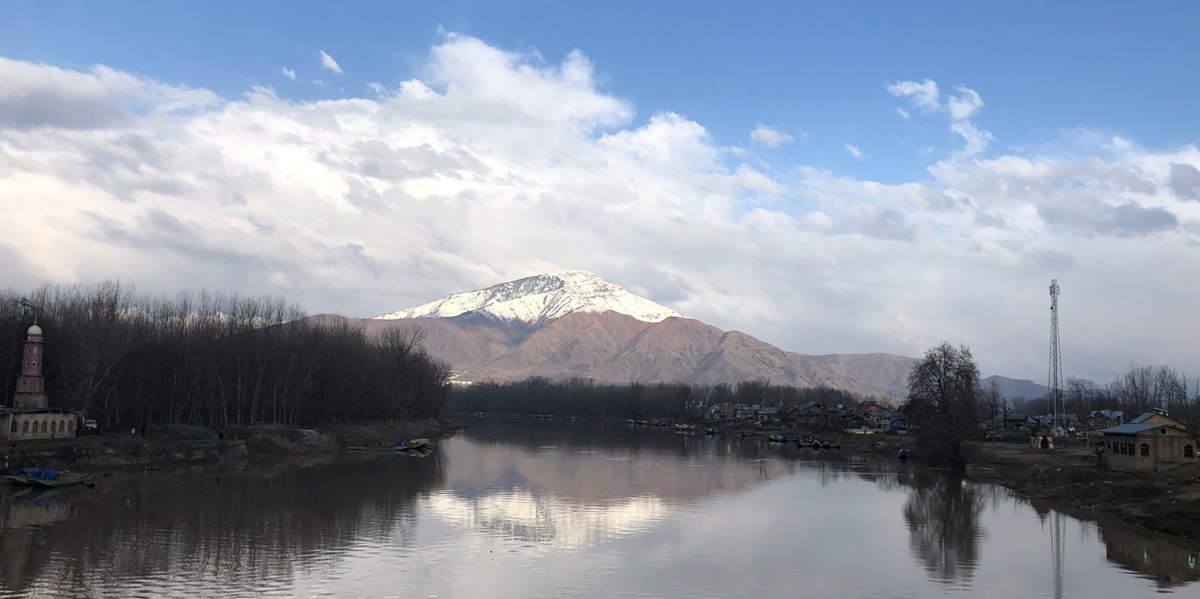
In an age defined by rising temperatures, erratic weather, and intensifying natural disasters, discussions about climate change often revolve around scientific data, technological innovation, and policy frameworks. While these are essential, an equally important perspective is frequently overlooked: history. Landscapes themselves carry memories of environmental change, human intervention, and ecological transformation. To understand the environmental crises of the present, we must learn to read these landscapes as historical archives.
This is precisely what the field of environmental history seeks to do. Emerging in the late twentieth century, environmental history examines the evolving relationship between human societies and the natural world. Rather than treating nature as a passive backdrop to human events, environmental historians view landscapes as active participants in shaping historical processes. In the age of climate change, this perspective has become increasingly important.
The story of Srinagar in Kashmir illustrates this dynamic with striking clarity. Historically, Srinagar developed in close relationship with water. The city’s lakes, marshlands, and floodplains functioned as natural buffers that regulated water flow and absorbed excess rainfall. Wetlands surrounding the city played a vital role in maintaining ecological balance while sustaining local livelihoods. Over the past few decades, however, rapid urban expansion and unregulated construction have disrupted these ecological systems. Wetlands have been drained, floodplains encroached upon, and water bodies increasingly treated as real estate rather than ecological infrastructure. When the devastating 2014 Kashmir floods inundated large parts of the city, they revealed the consequences of these long-term transformations. The disaster was not simply the result of extreme rainfall; it was the outcome of historical choices that had gradually weakened the city’s natural defences.
From the perspective of environmental history, disasters are rarely purely natural. They are historically produced. The destruction of wetlands, alteration of river systems, and expansion of urban settlements into ecologically fragile zones create conditions in which environmental crises become inevitable. Landscapes, in this sense, record the consequences of human action much like archives record political decisions.
This pattern is not unique to Srinagar. Across the Himalayan region, cities are expanding rapidly while ecological systems struggle to keep pace. Urban centres such as Shimla and Dehradun have witnessed similar tensions between development and ecological stability. Forest cover has declined, water sources have become increasingly stressed, and fragile mountain ecosystems are under growing pressure from infrastructure expansion.
Environmental historians have long argued that these conflicts are not merely environmental problems but historical processes. Scholars such as Ramachandra Guha, Mahesh Rangarajan, and Rohan D’Souza have demonstrated how environmental change in South Asia is deeply connected to political economy, colonial legacies, and postcolonial development policies. Their work highlights the fact that ecological degradation often emerges from the intersection of economic ambition, governance structures, and competing social interests.
One of the most important insights offered by environmental history is that landscapes are layered with memory. Rivers, forests, and wetlands all carry traces of centuries of human intervention. These transformations accumulate gradually, leaving behind ecological traces that historians can interpret.
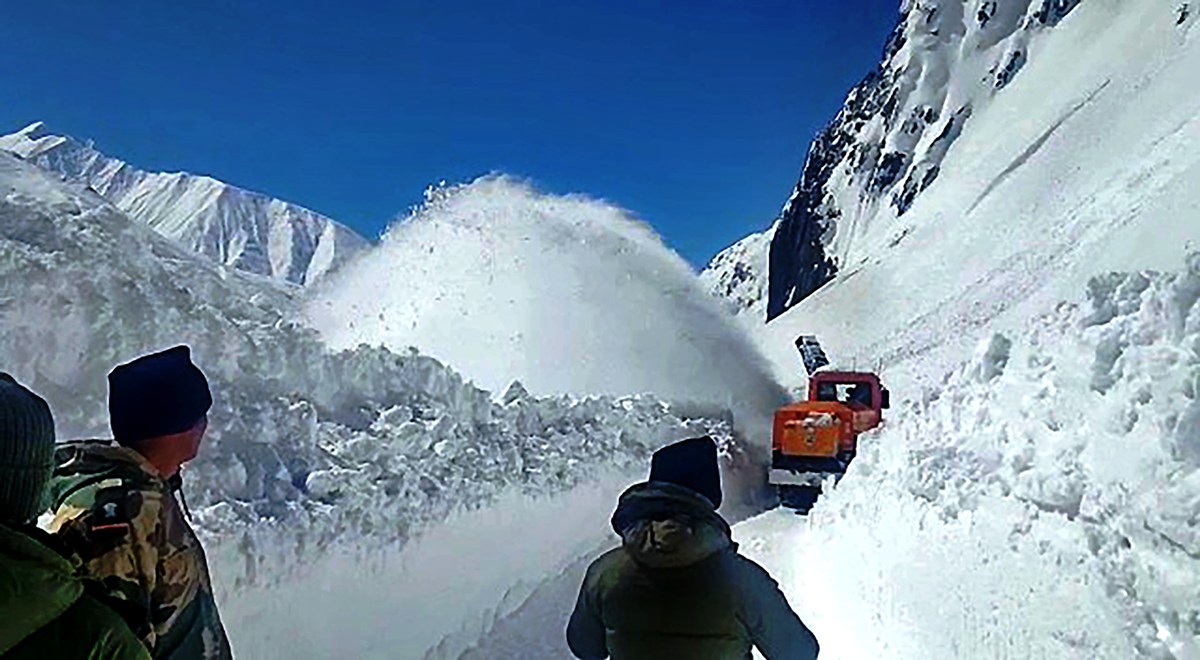
Reading landscapes historically also brings attention to forms of knowledge that are often marginalised in contemporary planning. For generations, communities living close to forests, lakes, and rivers developed practices that were adapted to local ecological conditions. Traditional settlement patterns, agricultural systems, and architectural forms often reflected an intimate understanding of climate and terrain.
In many Himalayan regions, traditional architecture once responded to climate through locally available materials and seasonal design. Such practices reveal an awareness of environmental limits that contemporary planning often overlooks. Today, development trajectories across much of the world prioritise rapid urbanisation and infrastructure expansion, transforming landscapes at unprecedented speed. While such projects promise economic growth and modernisation, they often disregard the ecological histories embedded within these spaces.
In the context of climate change, this disregard carries serious consequences. Environmental history, therefore, offers an important corrective to contemporary debates about sustainability. By tracing the historical roots of environmental crises, it reminds us that resilience cannot be built solely through technological innovation. It must also emerge from an understanding of how landscapes have been shaped over time.
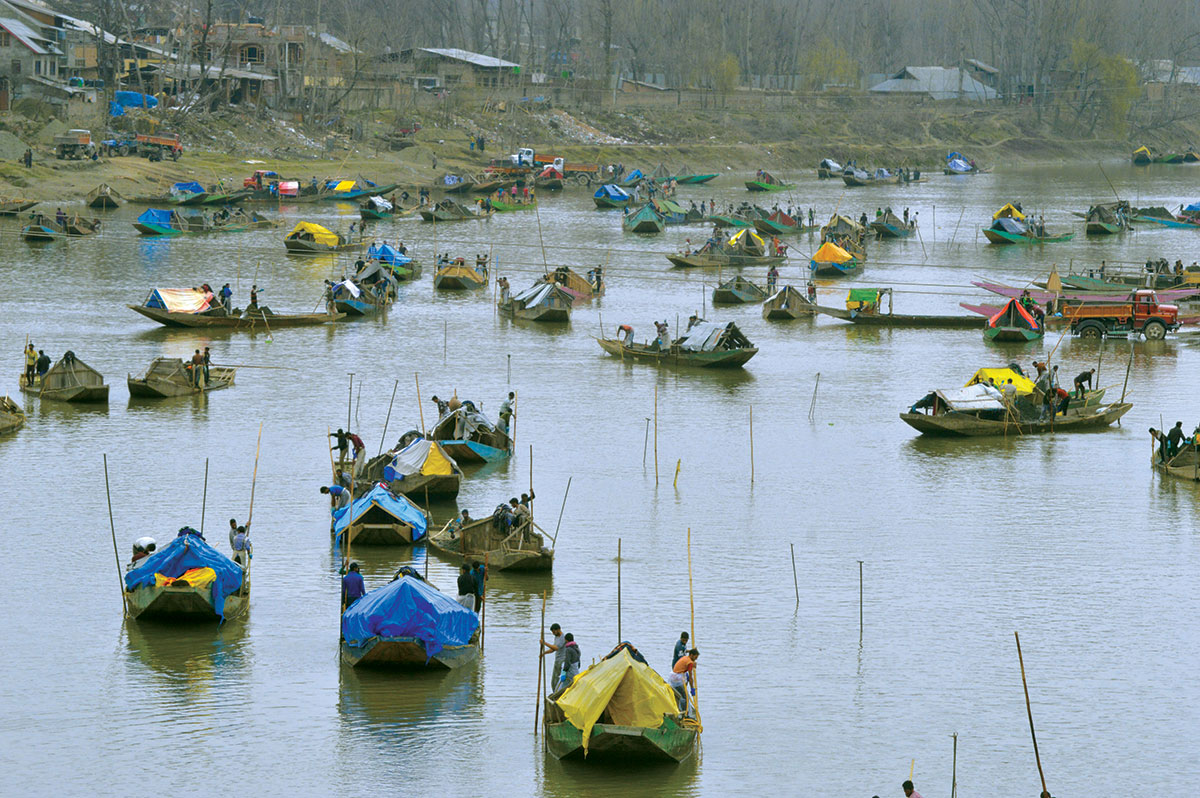
The climate crisis ultimately forces societies to confront a difficult question: what kind of relationship do we wish to maintain with the natural world? If development continues to disregard ecological history, the environmental disruptions we witness today may only intensify in the decades ahead. Landscapes, however, continue to speak. A shrinking wetland, a polluted river, or a disappearing forest is not merely an environmental concern; it is a historical record of choices made across generations. Learning to interpret these records may be one of the most urgent intellectual and political tasks of our time.

If climate change represents the defining crisis of the twenty-first century, environmental history offers a powerful lens through which to understand it. The landscapes around us are not silent witnesses to human activity; they are living archives that preserve the memory of our interactions with nature. Ignoring these archives means repeating the very mistakes that have brought us to the edge of ecological crisis.
(The Author is a Research Scholar in the Department of History at the University of Kashmir. Ideas are personal.)