by Muazzam Khursheed
India’s Supreme Court advances euthanasia jurisprudence, recognising dignity in death by permitting withdrawal of life support, while balancing ethics, law, and constitutional protections
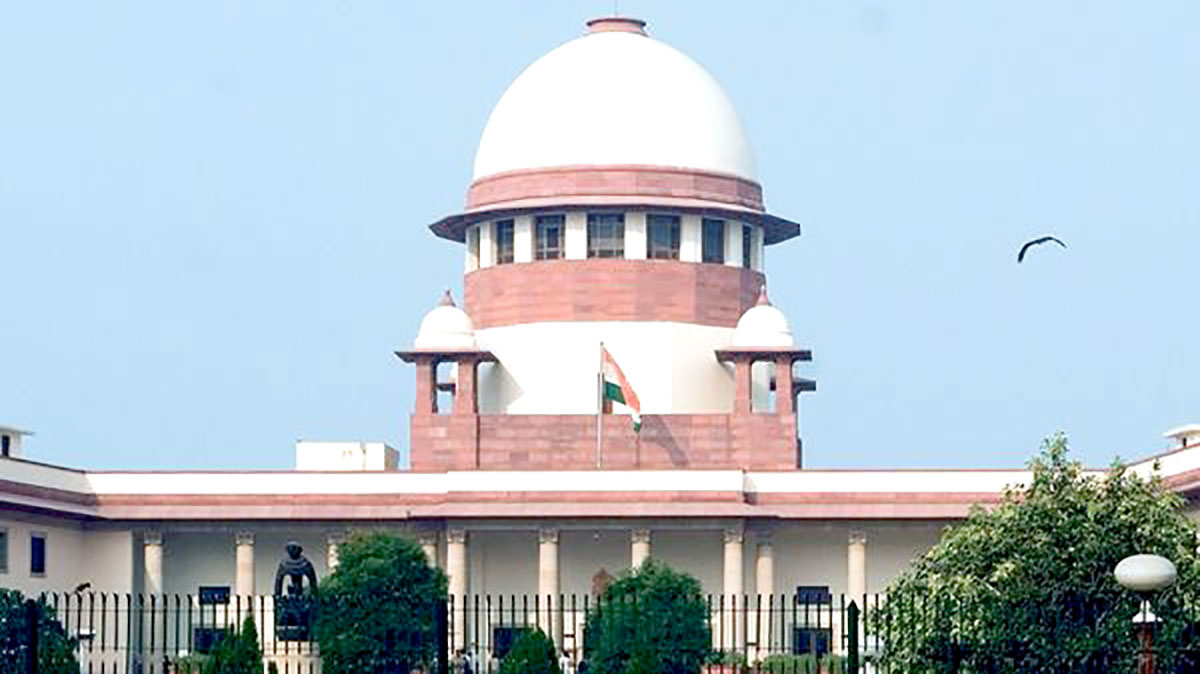
“You are not giving up on your son. You are allowing him to leave with dignity.” With these words, Justice JB Pardiwala and Justice KV Viswanathan of the Supreme Court of India addressed the family of Harish Rana while permitting the withdrawal of life-sustaining medical treatment for a young man who had remained in a permanent vegetative state for over 13 years. The line, rare in its compassion and humanity for a constitutional judgment, captures the moral gravity of the question that the Court was dealing with: when medicine can prolong life indefinitely, but cannot restore consciousness, recovery, or dignity, what should the law do?
What is Euthanasia?
Often described as “mercy killing,” euthanasia refers to the act of marking an end to a person’s life or withdrawing life-supporting treatment to relieve the unbearable suffering (medical/psychological) that the person is going through.
The issue sits at the intersection of law, medicine, ethics, and deeply personal human grief. For families, it often arises in moments of unimaginable pain, when a loved one can stay alive only through the use of machines, almost always in a vegetative state. The situation presents a difficult moral question: should life be preserved no matter the cost, or should compassion sometimes allow death to occur naturally when recovery is no longer possible, and the patient is being subjected to harassment by being kept alive using machines?
In legal and medical discussions, euthanasia is generally divided into two broad forms: active euthanasia, which involves a deliberate act intended to cause death within moments, such as administering an injection; and passive euthanasia, which, by contrast, involves withholding or withdrawing life-supporting medical treatment, such as ventilators, feeding tubes, or other machines that allow the patient’s underlying condition to take its natural course over time. While many countries prohibit active euthanasia, some permit passive euthanasia or physician-assisted dying under regulated circumstances.
In Other Countries
Across the globe, the legal approach to euthanasia varies immensely. Countries such as the Netherlands and Belgium have legalised euthanasia under carefully regulated frameworks, allowing doctors to assist in ending a patient’s life when suffering has reached an unbearable level, and recovery is impossible. Canada and several states in the United States allow physician-assisted dying, where patients may choose medication that enables them to end their lives under medical supervision. These practices have emerged over time after years of debate on individual freedom, dignity, and the limits of medical intervention. Famous international cases, such as the prolonged legal battle over life support in the case of Terri Schiavo in the United States, have repeatedly forced societies to confront the painful question of whether modern medicine sometimes prolongs life at the cost of dignity.
India’s Position
India, however, has entered this debate far later than many Western nations. The reasons can be attributed to cultural sensitivities, religious beliefs, and a degree of legal caution, which allowed the nation to approach the sensitive topic slowly and carefully. While active euthanasia continues to remain illegal under Indian criminal law, as is the case in many countries, passive euthanasia, on the other hand, has gradually found limited recognition through judicial decisions rather than legislative action. This cautious evolution reflects the Indian judiciary’s attempt to balance compassion with the deep constitutional commitment to the sanctity of life.
The first major turning point on the issue came in 2011 with the Supreme Court’s decision in Aruna Shanbaug v. Union of India, delivered by a bench comprising Justice Markandey Katju and Justice Gyan Sudha Misra, wherein the Court held that “passive euthanasia can be permitted in our country in certain situations” (Para 124).
Aruna Shanbaug was a nurse at Mumbai’s King Edward Memorial Hospital who had been brutally assaulted in 1973, leaving her in a permanent vegetative state for more than 40 years. She lay in the same hospital bed, completely unable to speak, move, or regain consciousness. However, it is critical to note that while the Court ultimately refused euthanasia in her case, primarily due to opposition from the hospital staff caring for her, the judgment was historic because, for the first time, the Supreme Court of India recognised passive euthanasia. The ruling opened the door to a cautious recognition of dignity in death within India’s constitutional framework.
The constitutional basis for this debate lies in Article 21 of the Constitution, which guarantees the right to life and personal liberty. Over the years, the Supreme Court has interpreted Article 21 expansively, recognising rights ranging from the right to sleep to the right to privacy. It has been established that the right to life does not merely mean physical survival but includes the right to live with dignity.
This interpretation naturally raises a difficult extension of the principle: if dignity defines life, what happens when life itself is stripped of dignity due to irreversible medical conditions?
Reflecting on this question, Justice JB Pardiwala in Harish Rana v. Union of India & Ors., 2026 INSC 222, observed: “The right to life under Article 21 does not merely protect existence; it protects the dignity of the individual even in the final stages of life.” The statement underscores that constitutional philosophy extends dignity until the very end of life.
This idea was central to the Supreme Court’s decision on March 11, 2026, where Harish, a young man who suffered severe brain damage in an accident, remained in a permanent vegetative state for over 13 years. His life was sustained through clinically assisted nutrition and hydration delivered via a feeding tube. The case raised an essential legal question: whether such artificial feeding should be treated as basic care that must continue indefinitely, or as a form of medical treatment that could lawfully be withdrawn when it no longer served the patient’s interests or added to the patient’s suffering.
The Supreme Court, after reviewing the medical evidence and considering the opinions of doctors and the patient’s family, determined that clinically assisted nutrition and hydration constitute medical treatment. As such, they can be discontinued if they no longer provide therapeutic benefit. The Court concluded that Harish’s condition was irreversible, with no realistic chance of recovery, and that continuing artificial feeding would only extend biological existence without awareness, autonomy, or dignity. Consequently, the Court authorised the withdrawal of this treatment, to be carried out under a carefully managed palliative care plan.
Humane Touch
Beyond the legal debate on euthanasia, what made the judgment poignant was the deeply humane tone in which the Court addressed the patient’s family. Recognising the emotional burden of their decision, the Court’s words: “This decision can feel like an act of surrender, but we believe it is, in truth, an act of profound compassion and courage. You are not giving up on your son. You are allowing him to leave with dignity”, acknowledged that such cases are not merely about legal jargon or medical reports but about families confronting one of the most painful choices imaginable.

India’s approach to euthanasia, therefore, remains markedly cautious compared to other countries. Whether this approach reflects prudence or hesitation continues to be debated by the legislature and judiciary alike. Some believe that respecting individual autonomy is paramount in end-of-life decisions, while others argue that the sanctity of life demands restraint.
In the end, the question of euthanasia may never have a single, definitive answer. Perhaps it is a question that law alone cannot resolve, but one that time, society, and human understanding will ultimately shape. Like a river quietly determining its course, the future will decide whether humanity chooses to preserve life at all costs or to recognise, in certain moments, the dignity of letting go.
(The author is a law student. The views expressed are personal.)