by Irfan Ahmad
Constant digital stimulation lowers dopamine baseline, causing brain fog and reduced motivation. Rebuilding focus requires slow-earned dopamine, protected mornings, reduced screen exposure, and routines that restore mental clarity.
Something unusual is happening to our ability to begin and sustain work, and the experience is so common that we now use a single phrase for it: “brain fog.” The feeling is familiar: you wake with intention, sit down to start, and within an hour, the plan feels heavy, the mind dulls, and tasks that should be simple become difficult.
This mental heaviness is not a sign of weakness or poor character; it is a biological shift in how the brain regulates its readiness to act. At the centre of that readiness is a chemical system we often hear about but rarely understand in daily life: dopamine. The way we use modern devices and structure our days is quietly reshaping the brain’s dopamine baseline, and that reshaping explains both the fog and the path out of it.
The Dopamine Baseline
Imagine your brain has a default power level that determines how easily you can begin action, hold attention, and feel motivated; that is your dopamine baseline. When the baseline is healthy, brushing your teeth or opening an email feels like small, manageable work; when it is low, even opening a document can seem like climbing a mountain. Short videos, notifications, and rapid content feed the brain with repeated spikes of dopamine, bursts that feel exciting in the moment. But those spikes are moments, not solutions; they are bright flares rather than steady light.
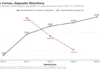
The crucial part most people miss is what happens when the stimulation ends. After you stop scrolling on your phone, the brain activates a protective response and lowers dopamine output and receptor sensitivity. In plain terms, the crash usually comes after we put the phone down, not while we are watching. That sudden dip produces the blank, slow state we call brain fog: words go missing, decisions stall, and the smallest tasks feel tiring.
Post-Scrolling Dopamine Crash
The dopamine crash is not a single event but a predictable pattern that scales with time and intensity. A five- to ten-minute scrolling session often leads to ten or twenty minutes of dulled thinking; half an hour can leave a person foggy for an hour or more; hours of heavy use can degrade clarity for the rest of the day. Repeated daily exposure makes matters worse. The brain slowly adapts to constant spikes by resetting what it now considers “normal,” and that new normal is lower than before, meaning fog becomes the baseline state.
You see this in everyday life. A student scrolls for twenty minutes before studying and finds that the study session yields little. A parent checks messages constantly between chores and notices each task takes longer and feels heavier. An office worker who watches short clips at lunch returns to tasks with less energy than before. Each example points to the same mechanism: rapid stimulation followed by protective down-regulation and reduced capacity.

What Rebuilds Baseline
If fast spikes lower the baseline, slow and meaningful effort raises it. Activities that produce gradual increases in dopamine, brisk walking in morning light, focused reading, consistent practice of a skill, and short daily writing, do not trigger the brain’s protective brake. Instead, they improve receptor sensitivity and sleep quality, and they stimulate growth factors that strengthen memory and attention circuits.
The result is not flashy excitement but stability: mornings that begin smoothly, fewer mid-day crashes, and less friction in starting hard tasks. For example, someone who reads for twenty minutes after a morning walk will often find that later tasks require less willpower. A person who completes one focused work block before checking messages reports steadier attention across the afternoon. A student who converts half an hour of daily practice into slow progress experiences increasing confidence rather than sudden highs and lows. These routines look ordinary, but because they compound, small daily gains produce large changes over weeks.
A Practical Day Plan
Changing what you do first and last each day produces disproportionate results. Start by protecting the morning: no phone for the first hour, ten minutes in natural light, twenty to thirty minutes of moderate exercise or brisk walking, then a single focused work block before social media. Add a five-minute breathing or grounding exercise before complex tasks to steady attention, and write one short page or summary at day’s end to consolidate learning.
At night, stop screens at least sixty minutes before bed and aim for consistent sleep times. Good sleep allows the brain’s cleaning system to remove metabolic waste and restore receptor function. What to avoid is equally important: repeated short-video sessions, fast novelty right before work or bedtime, and constant notification checks. These behaviours are not merely distracting; they change the brain’s chemistry in ways that make focus harder to regain.
Conclusion
The current crisis of everyday motivation is not a moral failing but a predictable physiological consequence of how modern life supplies stimulation. Quick, repeated shocks to the brain’s attention system produce a protective down-regulation that shows itself as fog, and over time, that fog becomes the new normal unless we change inputs.

The remedy is straightforward, not dramatic: replace immediate novelty with slow-earned activity, protect the first and last hour of the day from rapid digital stimulation, and build simple routines that compound, morning light, movement, focused work, breathing, reading, and writing. These are not motivational hacks; they are changes to the environment that allow the brain’s natural baseline to return. When baseline returns, starting becomes easier, thinking becomes clearer, and the heavy feeling lifts, quietly, steadily, and for good. Start with one morning change, and notice how the rest of the day answers back.
(The author is a research scholar in the Sociology Department at the University of Kashmir. Ideas are personal.)