by Sadaket A Malik
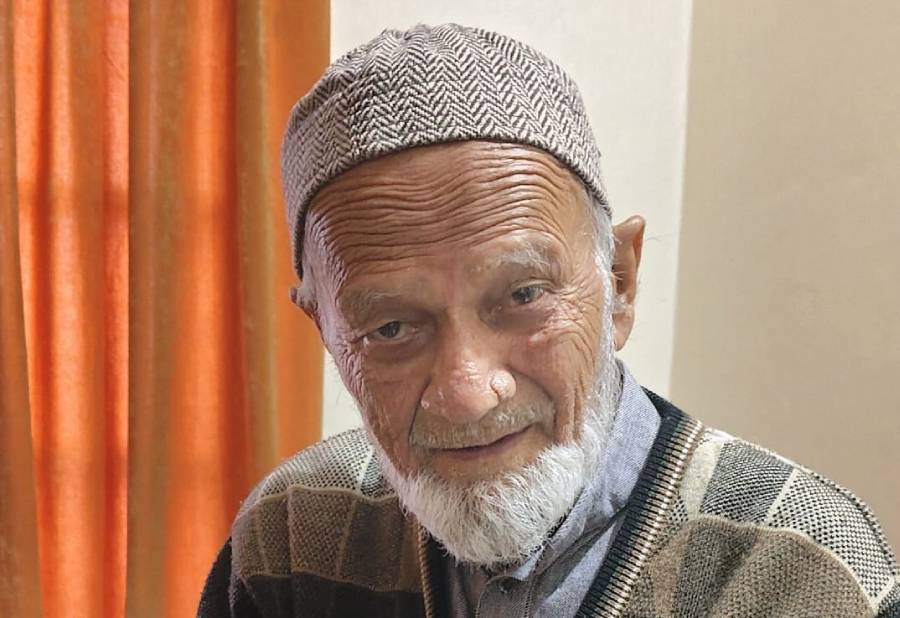
Abdul Sattar Rather, a visionary engineer, dedicated his life to public service in Jammu and Kashmir. He transformed infrastructure, water management, and social welfare with integrity, humility, and an enduring legacy of selfless commitment.
The period of early awakening witnessed significant progress in the underdeveloped region of Doda, where education was scarce, and poverty and ignorance prevailed. Among the most affected areas was Bhalessa, where communication and transportation were minimal, and literacy was limited to a lone primary school with meagre enrolment. Despite these challenges, the region produced remarkable individuals representing Jammu and Kashmir at the highest levels in various fields.
Away from the bustle of the world, these exceptional personalities left an indelible mark in literature, politics, and bureaucracy. One such legend was Abdul Sattar Rather, a civil engineer and a true humanitarian whose dedication, integrity, and selfless service transformed countless lives. His contributions in public health engineering, irrigation, flood control, and road infrastructure continue to have a lasting impact across Jammu and Kashmir.
Born on March 21, 1940, into a family deeply rooted in literature, Abdul Sattar Rather was influenced by his father, Ghulam Qadir Gafil, a renowned Kashmiri poet. Growing up in an intellectually and culturally rich environment, he developed discipline, perseverance, and an unwavering passion for learning. Even as a child, he exhibited remarkable determination, studying under the dim glow of burning wood in an era when electricity was a luxury. His brilliance was recognised by his teachers, who often referred to him as “the shining star of our school.” These early struggles laid the foundation for his illustrious career in engineering.
Abdul Sattar Rather began his career in 1965 as an Assistant Engineer in Budgam during his probationary period with the Public Works Department. Over the years, he played a pivotal role in numerous engineering projects, ensuring the implementation of water supply, irrigation, and flood control schemes across different regions of Jammu and Kashmir. His career trajectory is a testament to his technical expertise, leadership, and commitment to public service.
Between 1966 and 1975, he worked with the Power Development Corporation at Chenani, contributing to major infrastructure projects. He then served in the Irrigation Division of Nowshera, focusing on agricultural water systems. Promoted in 1977 to Assistant Executive Engineer in Akhnoor, he managed crucial water management projects. From 1979 to 1984, he was the Executive Engineer in the Flood Control Division of Rajouri-Poonch and later oversaw road and building projects in the challenging terrain of Ladakh. His subsequent postings in Rajouri, Jammu, Doda, and Kishtwar strengthened water resource management and infrastructure development. In 1996, he was promoted to Superintending Engineer for Jammu and Kathua Districts, marking a significant milestone in his career. He retired on March 31, 1998, after more than three decades of dedicated service.
Throughout his tenure, Abdul Sattar Rather spearheaded projects that transformed the lives of thousands, particularly in remote and underdeveloped areas. He played a crucial role in bringing potable water to inaccessible regions such as Bhalessa, Doda, Rajouri, and Kishtwar. His efforts in flood control in Rajouri and Poonch safeguarded communities from seasonal devastation, while his contributions to irrigation in Jammu, Rajouri, and Nowshera improved agricultural productivity and enhanced farmers’ livelihoods.
Unlike many engineers who confined themselves to offices, he was known for his hands-on approach, personally visiting project sites, engaging with local communities, and ensuring transparency and efficiency in his work. Beyond his professional contributions, he was a man of deep integrity, compassion, and humility. His leadership extended into social welfare and environmental conservation, and he was among the founding members of the Nature-Human Centric People’s Movement, advocating for social justice, peace, and ecological preservation. He worked closely with former parliamentarian Ram Piara Saraf, ensuring sustainable development without environmental degradation.
Abdul Sattar Rather was also a mentor and role model for countless young engineers, instilling in them the values of hard work, ethical conduct, and public service. Despite his achievements, he remained humble and kind-hearted, always ready to help others. His warmth and simplicity earned him deep respect from colleagues, subordinates, and the public alike.
He is survived by his family, including his three sons—Muzaffar Rather, Jaffer Rather, and Yasir Hussain Rather—and two daughters, Hasan Ara and Dr Nilofer. His family continues to uphold his legacy of honesty, hard work, and service to society.
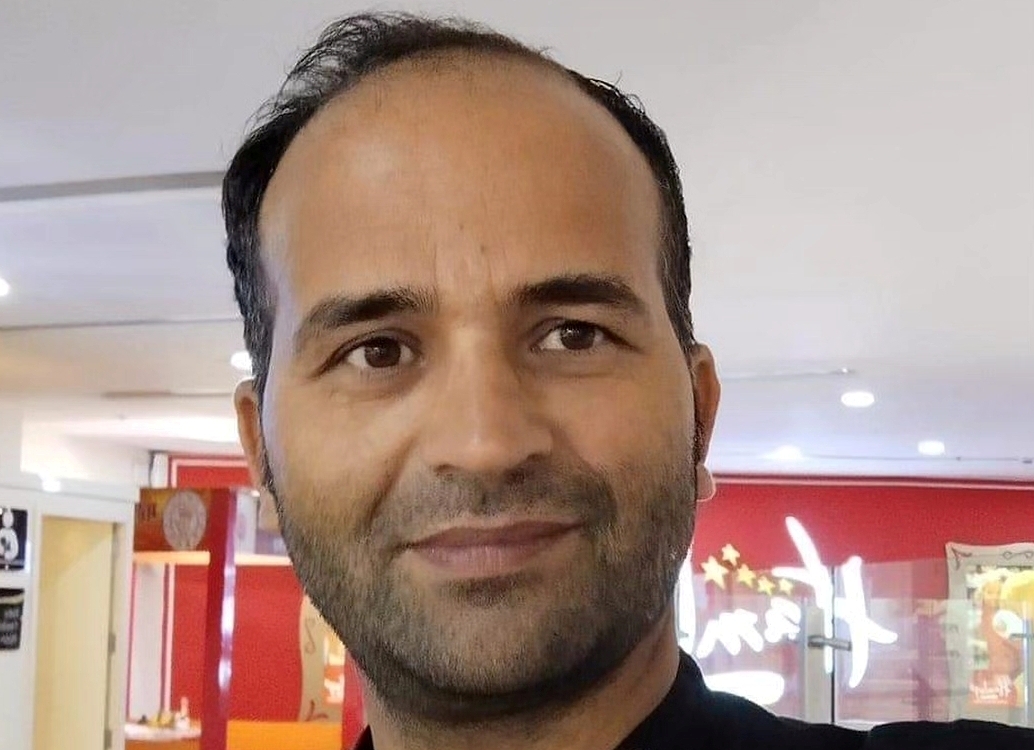
The passing of Abdul Sattar Rather is an irreparable loss not only for his family but for the entire Jammu and Kashmir. His contributions to engineering, public service, and social welfare have left an enduring impact, particularly in his hometown of Bhalessa, where his efforts in providing basic services are remembered with gratitude.
Though he is no longer with us, his legacy of dedication, integrity, and selflessness lives on. His life serves as an inspiration to engineers, social workers, and future leaders, proving that true success is measured not by wealth or power but by the positive impact one leaves on society.
We pray that Allah grants him the highest place in Jannat-ul-Firdous and gives his family strength and patience. May his light continue to guide us all. Ameen.