by Aafaq Sadiq
As Jammu and Kashmir’s political landscape undergoes a profound transformation, the Valley’s future hangs in the balance.
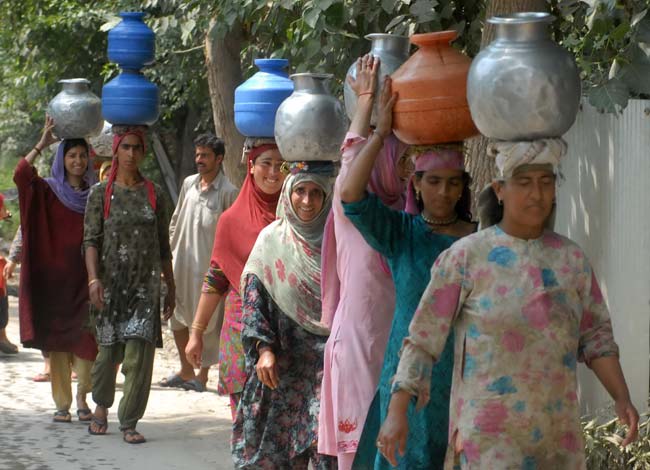
Jammu and Kashmir, a place of breathtaking vistas and profound cultural heritage, is transforming into seismic proportions. This shift is not merely a localised phenomenon, but one that resonates across the national and international arenas. The Valley, hitherto a byword for serenity and natural splendour, has metamorphosed into a cauldron of political ferment, where the boundaries between optimism and despondency become increasingly blurred.
The metamorphosis of Jammu and Kashmir’s political topography is at once striking and disquieting. A land once synonymous with tranquillity now reverberates with the cacophony of discontent, as its populace grapples with a political landscape in a state of constant flux. This transformation extends far beyond the rarefied realms of governance and policy; it represents a fundamental shift in the collective consciousness of the Kashmiri people, their perceptions of reality, and their aspirations for the future.
Jammu and Kashmir’s storied past is etched with a succession of seismic political convulsions, each leaving an indelible imprint on its socio-cultural tapestry. The region has borne witness to the ascent and descent of dynasties, the fluctuating balance of power amongst disparate political entities, and the relentless tension between indigenous aspirations and extrinsic influences. Today, as the political kaleidoscope of Jammu and Kashmir undergoes a metamorphosis, the region finds itself poised at yet another critical juncture.
The contemporary political topography of Jammu and Kashmir is a complex mosaic of venerable and nascent forces vying for ascendancy. Traditional political behemoths, erstwhile titans of the political firmament, now find themselves confronted by emergent entities, imbued with novel perspectives and innovative stratagems. This evolving dynamic has engendered a palpable sense of uncertainty and expectation, as the Valley’s populace awaits expectantly the ascendance of a dominant political force.
At the epicentre of this political metamorphosis lies the existential question of identity and representation. The populace of Jammu and Kashmir has long yearned for leaders who can authentically embody their aspirations and meaningfully address their singular challenges. Yet, the prevailing political climate is beset by a profound sense of disillusionment, as promises proffered by successive governments have consistently failed to materialise. This has precipitated a growing chasm between the political leadership and the people, further obfuscating the Valley’s trajectory towards peace and stability.
The emergence of novel political actors has introduced an additional layer of complexity into this already labyrinthine scenario. Whilst these nascent entities bring a welcome influx of vitality and innovative ideas, they also raise fundamental questions regarding their capacity to navigate the Valley’s Byzantine political landscape. Will they be able to forge a genuine connection with the people, providing the visionary leadership requisite to guide the region through its current travails? Or will they, like their predecessors, succumb to the weight of the Valley’s intricate realities, their promise and potential ultimately unrealised?
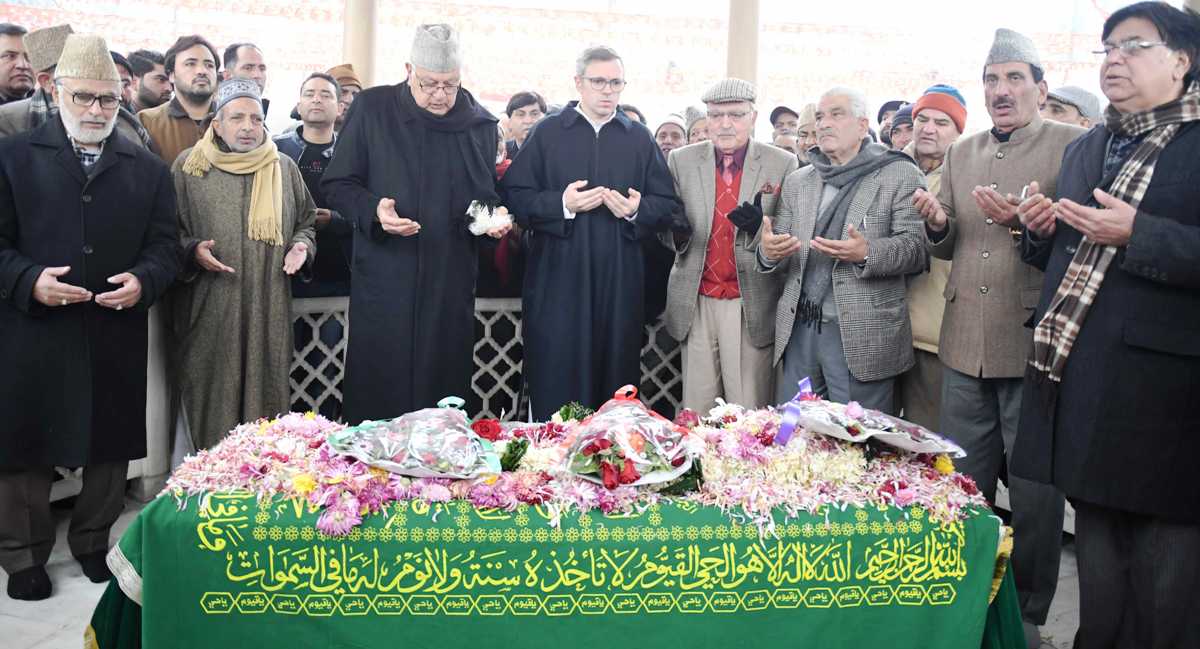
In Jammu and Kashmir, the political stakes are not merely a matter of governance; they are deeply personal, and woven into the fabric of the people’s lives. The Valley’s history is a testament to its resilience and endurance, marked by an unyielding capacity to face and overcome adversity. Yet, the current political landscape presents a singular set of challenges, threatening to erode the hard-won peace and stability that has been painstakingly built.
One key driver of this political evolution is the Valley’s shifting demographic and socio-economic landscape. As the population of Jammu and Kashmir has grown more diverse, so too have its political aspirations and demands. This diversity has rendered governance increasingly complex, as leaders must delicately balance the competing interests of various groups while addressing the overarching concerns of development and security.
The influence of external actors on the political trajectory of the Valley cannot be overstated. International interests, regional dynamics, and the broader geopolitical context all exert a profound impact on the direction of Jammu and Kashmir’s political spectrum. The strategic significance of the Valley, both for India and the international community, adds yet another layer of complexity to this already intricate political equation.
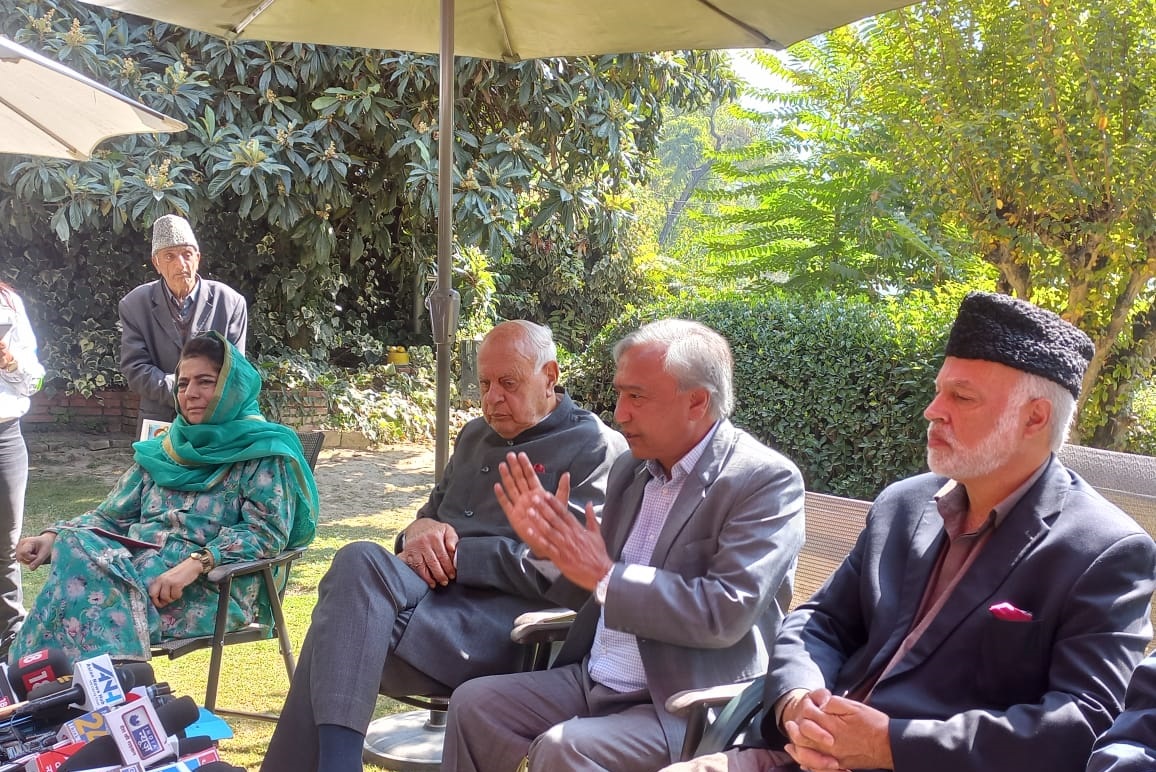
As Jammu and Kashmir’s political landscape undergoes a profound transformation, the Valley’s future hangs in the balance. The forthcoming years will prove pivotal in determining whether this embattled territory can surmount its myriad challenges and embark on a path towards stability and prosperity. This lofty aspiration demands not only visionary leadership but also a collective endeavour from all stakeholders to forge a consensus on the Valley’s future trajectory.
In this critical context, the role of civil society, media, and other non-political actors assumes paramount importance. These entities can facilitate dialogue, bridge the chasm between the political elite and the populace, and contribute meaningfully to the Valley’s socio-economic development. However, this necessitates a genuine commitment from all parties to engage in constructive and inclusive discourse.

Ultimately, the fate of Jammu and Kashmir’s political spectrum rests squarely on the choices made by its people and leaders. Will they opt to transcend their differences and strive towards a common objective, or will they permit the Valley’s political landscape to be defined by division and discord? The response to this question will not only determine the future of Jammu and Kashmir but also its place within the broader national and international narrative.
As the world bears witness, the people of Kashmir hold fast to their hope for a future where their voices resonate, their dreams materialise, and their cherished land is once again synonymous with peace and harmony. The road ahead is undoubtedly treacherous, yet it is also replete with promise. The question that lingers is: what hue will ultimately dominate Jammu and Kashmir’s political spectrum? Will it be one of hope and progress, illuminating a brighter future, or will it succumb to the uncertainty and unrest that have long plagued the region? The answer lies squarely in the hands of the people and their leaders, as they navigate the intricate and ever-shifting political landscape of this remarkable region.
(Holding a masters in English literature, the author is a freelancer. Ideas are personal)