by Peerzada Zubair
The debate over freebies versus sustainable welfare schemes highlights concerns about economic dependency and fiscal strain, urging a shift towards long-term initiatives like infrastructure, renewable energy, and healthcare for lasting development.
In a 2022 report by the Reserve Bank of India, “freebies” are defined as public welfare measures provided without cost, primarily targeting specific populations for short-term benefits. In India, the concept lacks a precise legal definition, leading to its ambiguous use in politics. Over time, freebies have become a cornerstone of political strategy, frequently employed by parties to secure electoral victories or retain power through promises of free goods and services.
Prime Minister Narendra Modi’s critique of the “revdi culture” in 2022 has sparked intense debate over the sustainability and ethical implications of such election-driven handouts. While these freebies may offer immediate relief to certain societal segments, they often fall short of the enduring impact achieved by well-structured welfare policies—those designed to foster long-term economic and social well-being.
Welfare Schemes
The line between freebies and welfare schemes is often blurred, but a key distinction lies in their long-term effects on beneficiaries and society. Welfare schemes are typically comprehensive initiatives aimed at elevating living standards, improving access to essential resources, and fulfilling constitutional obligations to citizens. These programs are crafted to advance social justice, equity, and human development. Examples include the Public Distribution System (PDS), the Mahatma Gandhi National Rural Employment Guarantee Act (MGNREGA), and mid-day meal schemes, all of which deliver tangible benefits that enhance quality of life.
In contrast, freebies risk fostering dependency among recipients or causing economic distortions that erode responsible governance. A recent survey found that 56 per cent of respondents viewed freebies as unnecessary, with 78% dismissing them as mere vote-seeking tactics and 61% expressing concern over their adverse effects on national finances. This growing scepticism underscores a broader recognition of the potential drawbacks of prioritizing short-term handouts over sustainable development.
Free Electricity: A Dangerous Trend
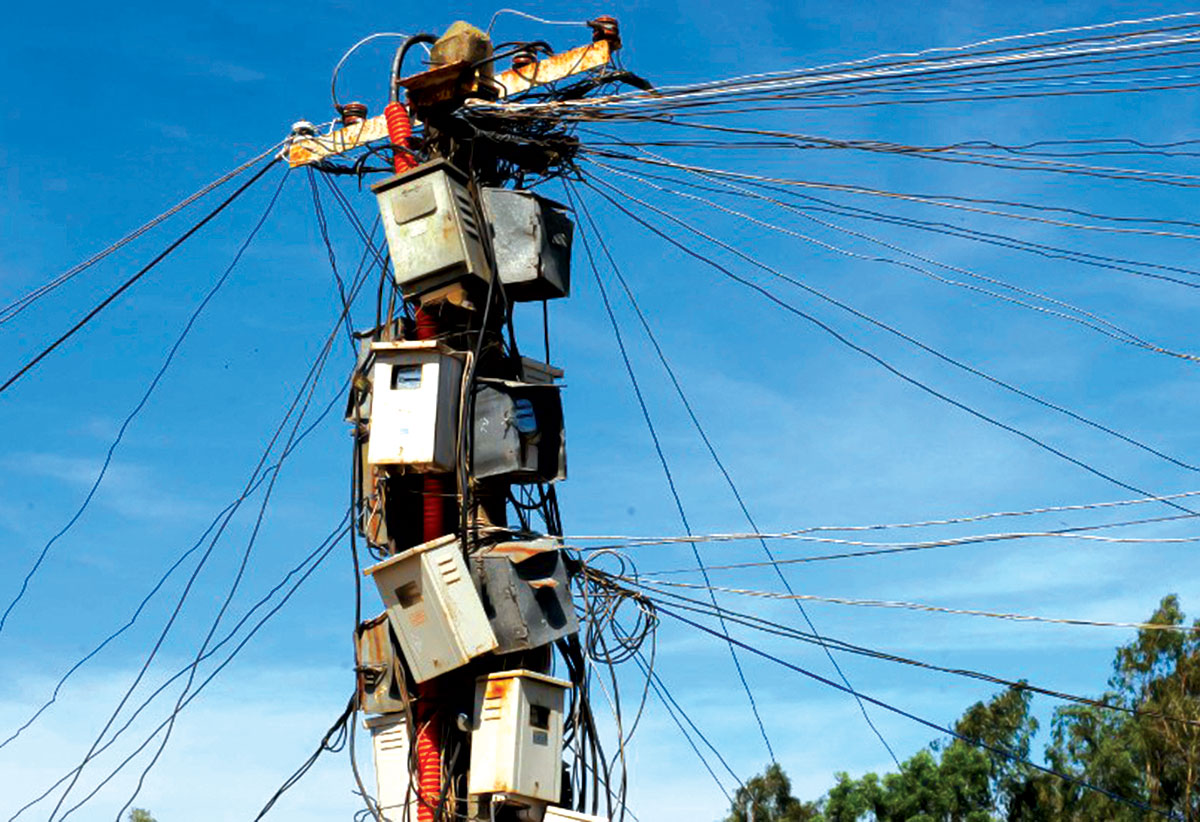
In India, the promise of free electricity has become a widely used political tool to secure votes during elections. While this initiative may seem advantageous in the short term, it carries profound long-term consequences that demand attention. Providing free power undermines the sustainability of the energy sector, places immense pressure on government finances, and discourages responsible consumption among users. Such populist measures fail to address critical issues like infrastructure development, energy efficiency, and equitable access to electricity for all citizens.
Rather than resolving the underlying power crisis, these freebies perpetuate a cycle of dependency, leading to mounting deficits, deteriorating service quality, and delayed investments in the infrastructure essential for a resilient energy system. Over time, this trend threatens India’s economic stability and energy security. Power Minister RK Singh has expressed concerns about states like Punjab falling into debt traps due to their reliance on borrowed funds to finance free electricity schemes. He warned that such populist measures are sustainable only if a state maintains robust financial health.
Since coming to power in Punjab in 2022, the Aam Aadmi Party (AAP) government has introduced several populist policies, including providing up to 300 units of free electricity per household. This decision has forced Punjab to borrow a staggering Rs 47,000 crore within just two years, exacerbating the state’s already substantial debt burden. As a result, a significant portion of tax revenues is now diverted toward servicing interest on previous borrowings, leaving fewer resources for essential public services such as education and healthcare.
J&K’s Free Power Promise
In Jammu and Kashmir (J&K), Chief Minister Omar Abdullah has announced plans to provide 200 units of free electricity starting March next year—a move consistent with key pledges in his party’s election manifesto. However, J&K’s electricity sector has long grappled with financial instability. Reports reveal that revenue collected from consumers falls far short of operational costs, with less than 40 per cent of expenses covered by electricity sales.
Introducing free electricity risks worsening these challenges, placing additional strain on the region’s budget. The Union Territory already faces Aggregate Technical & Commercial (AT&C) losses exceeding 40%, significantly higher than the national average of approximately 15%. Moreover, the government has borrowed Rs 31,000 crore in recent years solely to meet payments to power generators.
While the proposal for free electricity may hold political appeal and offer immediate relief to consumers amid rising costs, it raises serious concerns about financial sustainability, regulatory compliance, operational feasibility, and equitable resource distribution across J&K’s diverse demographics.
Alternative Initiatives for Sustainable Growth
Rather than resorting to free electricity as a short-term measure to appease the voters, the J&K government should focus on initiatives that will have a lasting impact on the residents. The investments have been made in infrastructure development; over Rs 4,550 crores have been allocated to the 1,057 road and bridge projects since 2019—the enhancement of the connectivity across the various regions in the J&K.
The continued development of the critical infrastructure such as the roads—including the major projects like the ongoing Delhi-Amritsar-Katra expressway—will reduce travel times significantly while boosting the tourism potential in the picturesque region known for its natural beauty. The construction of the bridges will improve access to the remote areas that have been historically underserved.
The expansion of the healthcare facilities—including the AIIMS institutions and the new medical colleges—will ensure better access to essential services for the residents who are currently facing challenges in obtaining adequate medical care. The promotion of renewable energy projects such as hydroelectric dams and solar power installations can lead not only to energy self-sufficiency but also to job creation opportunities in the local communities.

Support for the local industries through grants or low-interest loans can foster economic growth while providing employment opportunities for skilled workers across the various sectors. The implementation of vocational training programs will also equip young people with the relevant skills necessary for thriving in today’s job market.
By prioritization the initiatives over the short-term freebies like the free electricity provision schemes—which ultimately create more problems than they solve—the J&K government can pave the way to the creation of a sustainable and prosperous future for the citizens without falling prey to the political populism or the fiscal irresponsibility.
(The author is a student from Lolab, Kupwara. The views and opinions expressed are solely those of the author and do not necessarily reflect the official policy or position of Kashmir Life or its affiliates.)