by Rameez Bhat
Erratic snowfall, shrinking glaciers, and environmental neglect are steadily reshaping Kashmir’s climate, culture, and future.
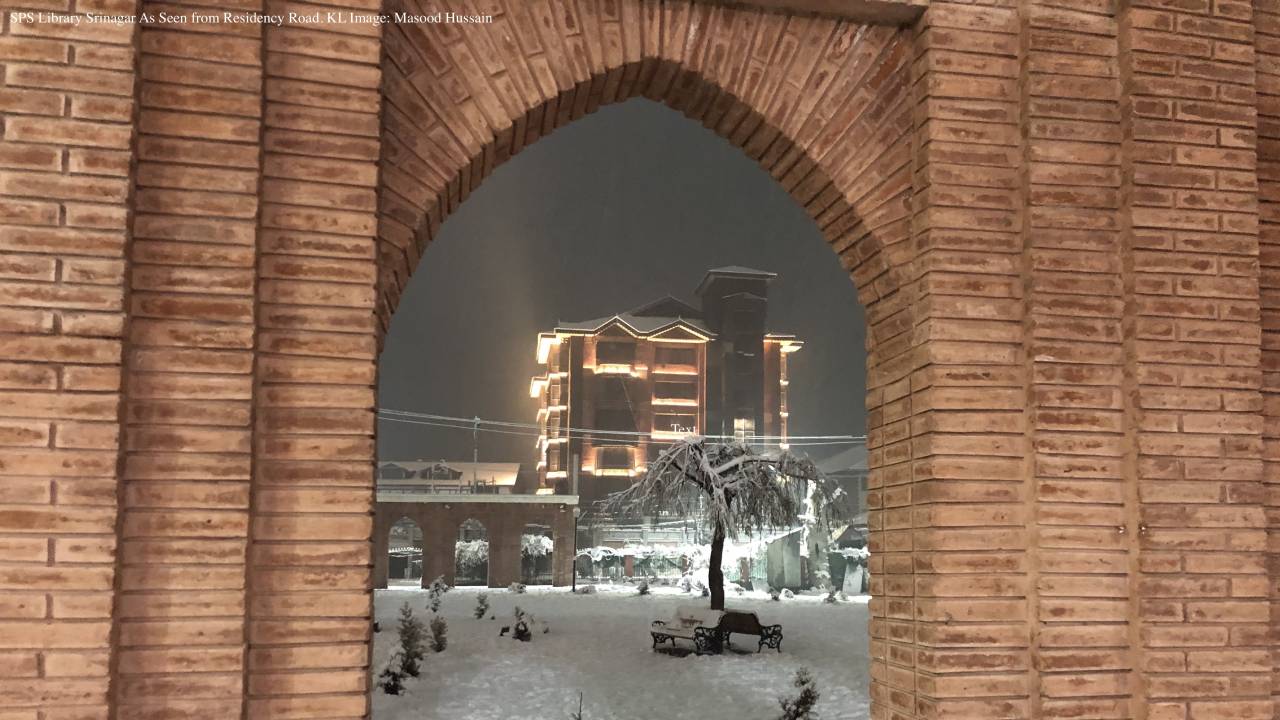
There was once a time when winter in Kashmir arrived with certainty and spirit. The first snowfall was more than just a seasonal occurrence; it was an emotion deeply connected to people’s lives. Snow brought celebration into every household. Children hurried into the streets with excitement, rooftops vanished beneath soft white blankets, and smoke rising from wooden homes blended beautifully with the cold morning air. Winters gave Kashmir its own unique rhythm. Today, that rhythm feels broken. Snowfall has become irregular, arriving too late, melting too quickly, or sometimes barely appearing at all. What once inspired joy now creates anxiety. The grief surrounding this transformation is not only environmental; it is profoundly personal.
Kashmir has always been recognised for its stunning landscapes, flowing rivers, dense forests, and magnificent mountains. Nature was never separate from life here; it shaped memories, traditions, and identity itself. For centuries, the Valley survived because people and nature existed in quiet balance. Rivers nourished the land, forests cleansed the air, and glaciers silently safeguarded the future by storing water within their frozen depths. But over time, human ambition crossed limits that nature could no longer endure.
Now the consequences are impossible to ignore. Climate change is no longer confined to scientific research or environmental discussions. It has become part of everyday life. Springs that supported communities for generations are gradually drying up. Streams that once flowed strongly through villages now struggle to survive. Summers have turned intensely hot, surprising even older generations who spent their lives understanding Kashmir’s climate. Farmers worry about seasons losing their natural order. Orchard owners fear sudden weather changes destroying crops overnight. Rainfall, too, has become unpredictable, sometimes vanishing for weeks and at other times becoming violent enough to trigger floods and destruction. Perhaps the most frightening reality is how ordinary these changes have started to seem.
Every year, conversations about rising temperatures, shrinking glaciers, forest fires, and environmental decline become louder. Reports spread widely, people briefly express concern, and then life continues without change. Forests are cleared for uncontrolled construction. Rivers carry plastic and waste instead of purity. Mountains are cut recklessly in the name of development. Wetlands vanish quietly while concrete structures expand rapidly. Pollution no longer shocks society because it has slowly become part of daily life.
Amid all this exists another dangerous illusion: the belief that responsibility belongs only to governments or institutions. The truth is far more painful. No law or policy can protect nature if society itself loses respect for the environment. Climate change is not merely an external force attacking humanity; much of it is the result of human greed, impatience, and carelessness. We created comforts without understanding the destruction hidden beneath them.
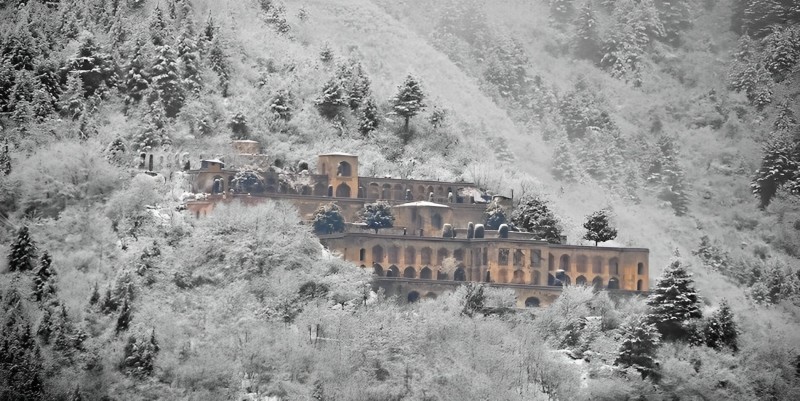
Kashmir’s mountains once represented strength and permanence. They stood like silent guardians witnessing centuries pass beneath them. Yet even these giants now appear vulnerable. Glaciers are retreating rapidly, snowfall patterns are shifting unpredictably, and regions dependent on winter tourism face growing uncertainty. Entire communities relying on snow for water and livelihood fear what the coming decades may bring. If glaciers continue disappearing, rivers will weaken. If rivers weaken, conflicts over water may eventually arise even within communities themselves. These are no longer distant fears reserved for future generations. They are realities slowly approaching us.
There was a time when people drank directly from streams without hesitation or fear. Water tasted fresh, cold, and alive. Today, many of those same water sources are polluted and unsafe. Wetlands that once naturally protected the Valley from floods are shrinking under human encroachment. Lakes struggle beneath layers of pollution and careless urban expansion. The tragedy lies in the irony itself: a land once celebrated for its abundant waters now fears scarcity.
Modern life has certainly brought convenience and advancement, yet it has also distanced society from the environmental wisdom that earlier generations carried naturally. Communities in the past lived simply but understood balance. They recognised that survival depended on respecting nature’s limits. In contrast, modern civilisation increasingly measures progress through endless consumption. Wider roads, taller buildings, more vehicles, and expanding cities are praised as achievements without seriously questioning the ecological cost attached to them. Development is necessary, but development without responsibility eventually becomes another form of destruction.
The burden of environmental decline also falls unfairly on those least responsible for it. Poor villagers experience water shortages first. Farmers suffer when weather patterns become unstable. Labourers struggle under rising heat. Meanwhile, future generations, who contributed nothing to this crisis, may inherit a Valley fighting ecological collapse. Still, humanity behaves as though nature will continue forgiving forever.
But nature’s patience is not endless. Floods, landslides, droughts, and extreme weather are no longer isolated incidents. They are warnings. Whenever forests disappear, disasters grow stronger. Whenever rivers are suffocated by pollution, floods become more devastating. Whenever glaciers melt beyond balance, water systems begin collapsing silently. Nature always responds to human actions, even if the response arrives slowly.

The painful reality is that climate change in Kashmir is no longer shaping tomorrow alone; it is reshaping today. Its impact is emotional as well. Entire generations who grew up associating Kashmir with long snowy winters now witness seasons changing beyond recognition. Tourists may still search for paradise in photographs, but locals increasingly carry quiet sorrow about what this paradise is becoming. Climate change is not only transforming landscapes; it is gradually altering memories, traditions, and cultural identity itself.
Yet hopelessness alone cannot protect anything. Kashmir still has an opportunity to preserve what remains, but only if society begins treating environmental destruction as a serious crisis rather than a symbolic discussion. Planting trees for publicity while forests disappear elsewhere achieves little. Speeches about sustainability hold no meaning without practical changes in daily behaviour. Real progress begins when people reduce waste, protect water sources, preserve forests, and demand environmentally responsible planning.
Schools and colleges must teach environmental awareness not merely as textbook knowledge, but as a lesson directly connected to survival. Religious leaders, media platforms, social organisations, and civil society must all help rebuild environmental consciousness. Protecting nature cannot remain the responsibility of scientists and activists alone; it must become a shared moral duty.
There is also an urgent need to reconsider humanity’s obsession with comfort and endless consumption. Society often places convenience above sustainability. Plastic is used carelessly because it is easier. Natural resources are overexploited because they generate profit. Cities expand uncontrollably because they appear modern and progressive. But if progress destroys the very ecosystem sustaining human life, then perhaps our understanding of progress itself is deeply flawed.

The truth remains undeniable: no society can survive without a healthy environment. For centuries, Kashmir’s beauty has inspired poets, travellers, and dreamers across the world. But beauty alone cannot protect a land abandoned by responsibility. Environmental collapse rarely arrives dramatically in a single moment. Glaciers melt slowly. Rivers weaken gradually. Forests disappear quietly. By the time society fully recognises the damage, what once seemed permanent has already become fragile.
Perhaps that is the greatest danger of all: the slow disappearance of things people once believed would last forever.
A fading winter.
A shrinking river.
A vanishing forest.
A silence replaces the sounds of birds, water, and snowfall.
And if humanity continues ignoring these warnings, perhaps one day the greatest loss of all will not simply be environmental destruction, but the disappearance of the Kashmir people once carried proudly in their hearts.
(The author is a scholar. Ideas are personal.)