by Dr Shaikh Ghulam Rasool
Melting Himalayan glaciers are destabilising rivers, ecosystems and societies across South Asia, threatening water security, biodiversity and livelihoods of nearly two billion people amid accelerating climate change and weak governance
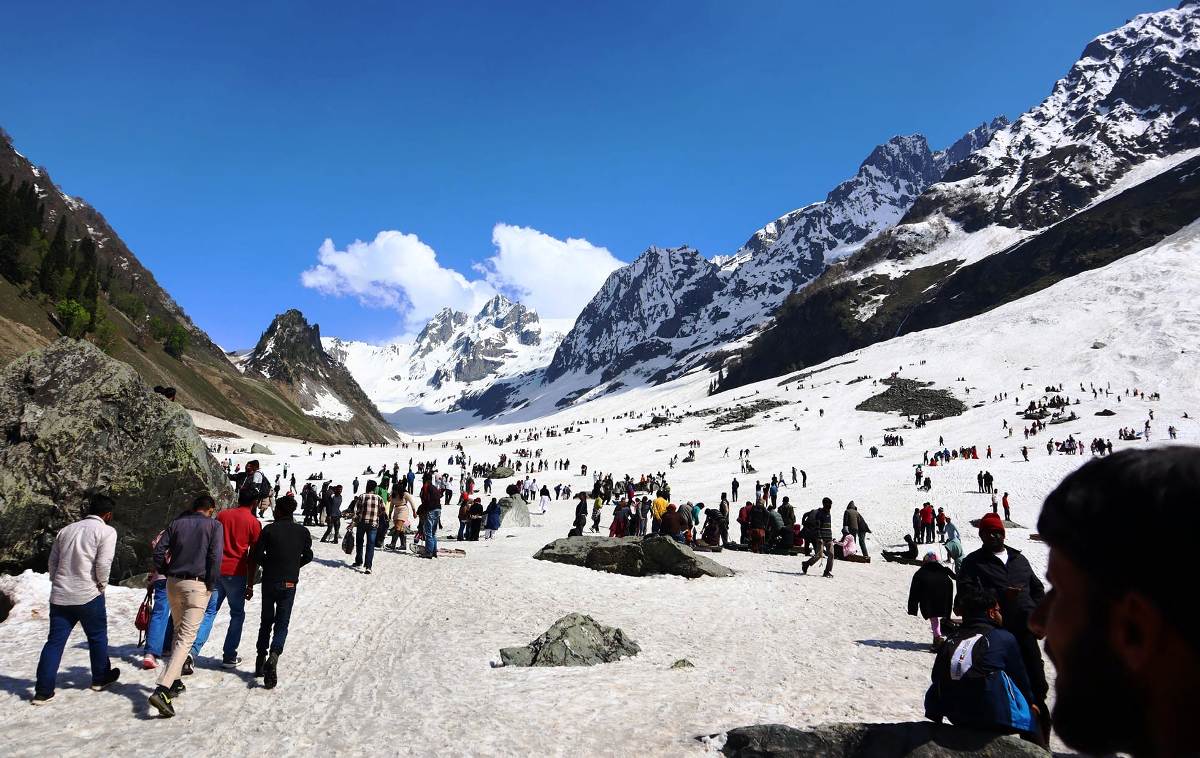
High above the crowded plains of South Asia, the Himalayas store one of the world’s largest reserves of freshwater outside the polar regions. According to assessments by the International Centre for Integrated Mountain Development (ICIMOD), the Hindu Kush Himalayan region contains more than 54,000 glaciers that feed ten major river systems, including the Indus, Ganga, Brahmaputra, Mekong and Salween. For centuries, these glaciers have acted as natural regulators by storing winter snow and releasing meltwater during dry months, sustaining agriculture, ecosystems, cities and cultures far downstream. Today, that life-support system is rapidly unravelling.
Scientific evidence now confirms that nearly 70 to 80 per cent of Himalayan glaciers are unstable, retreating or losing mass at accelerating rates, a finding consistently reported by ICIMOD, ISRO and global studies published in journals such as Nature and Science Advances. The IPCC’s Sixth Assessment Report warns that if current warming trends continue, the Hindu Kush Himalayan region could lose up to three-quarters of its glacier volume by the end of the twenty-first century. This is no longer a distant climate scenario. It is an unfolding water, governance and development crisis with consequences for nearly two billion people who depend directly or indirectly on Himalayan rivers.
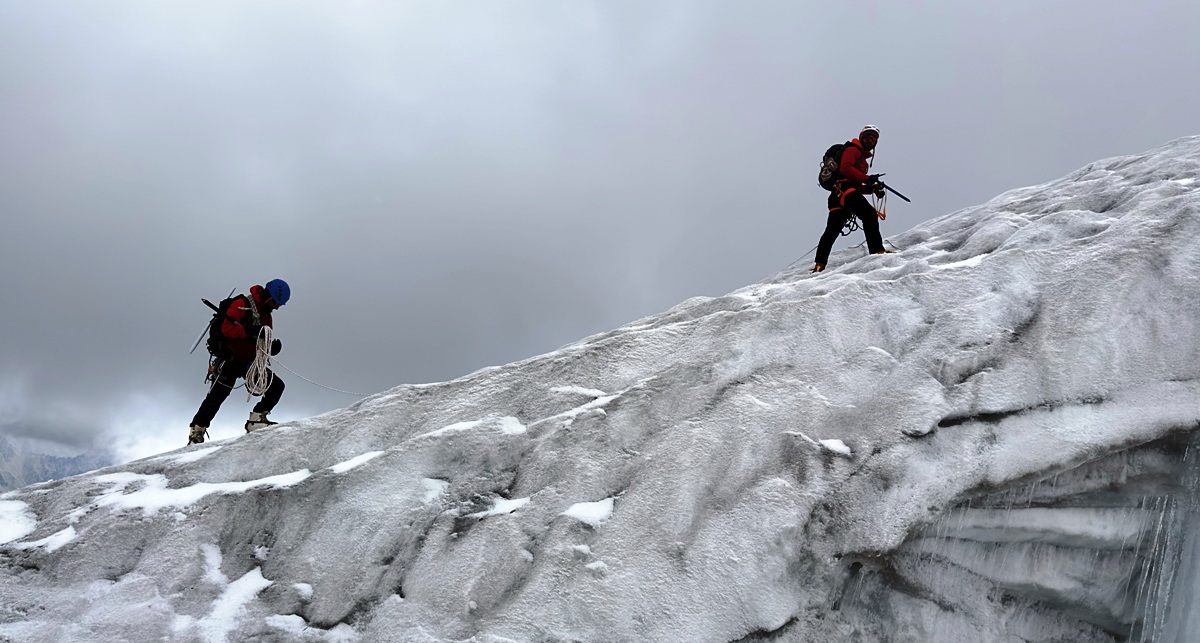
Glaciers are often imagined as inert blocks of ice, but in reality, they are living ecological systems. Research in glaciology and mountain ecology shows that glacier ecology includes climate interactions, seasonal river regulation, cold-adapted biodiversity, sediment transport and deep human relationships ranging from agriculture and hydropower to culture, faith and disaster risk. In the Himalayas, glaciers function as water towers for monsoon-dependent regions, releasing meltwater when rainfall fails, a buffering role highlighted in global water tower studies published in Nature. Their loss disrupts this delicate rhythm and pushes river systems towards unpredictability and scarcity.
The impacts are already visible across the Western, Central and Eastern Himalayas. In the Western Himalaya, covering Jammu and Kashmir, Ladakh, Himachal Pradesh and Uttarakhand, glaciers feed the Indus river system, one of the most glacier-dependent basins on Earth. According to ICIMOD and World Bank analyses, 40 to 60 per cent of the Indus dry-season flow comes from glaciers and snowmelt. While parts of the Karakoram were once considered relatively stable, a phenomenon referred to as the Karakoram Anomaly in scientific literature, recent satellite-based studies by ISRO and international researchers show thinning even there, particularly at lower elevations.
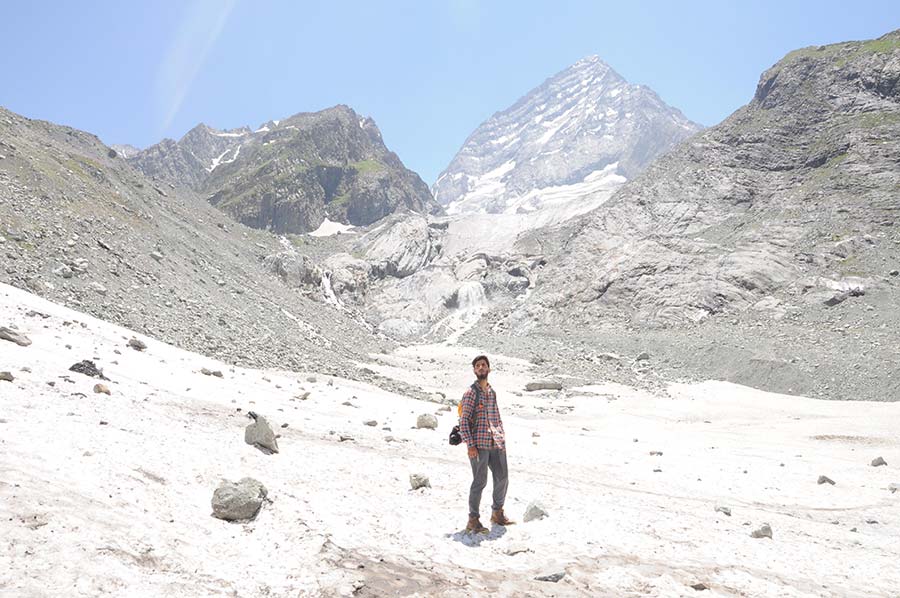
In Kashmir, the Kolahoi Glacier, once revered locally as the Ganga of Kashmir, has lost more than half of its surface area since the 1960s, as documented by satellite imagery analysed by ISRO and the Geological Survey of India. Its retreat has fragmented the glacier and sharply reduced summer flows in the Lidder River, affecting drinking water supplies, apple orchards, trout habitats and traditional irrigation systems across South Kashmir.
In the Central Himalaya of Uttarakhand and Nepal, glaciers sustain the Ganga river system, which supports nearly 500 million people, according to estimates by India’s Ministry of Jal Shakti and the World Bank. The Gangotri Glacier, one of India’s largest valley glaciers, has been retreating steadily since the early twentieth century, a trend documented by long-term field measurements and remote sensing studies by ISRO and academic institutions. Although debris cover has slowed retreat at times, the long-term trend remains one of net mass loss. This has altered the timing of flows in the Bhagirathi River, increased sediment loads affecting downstream dams, and strained fragile mountain towns built for pilgrimage rather than climate extremes.
Further east, near Mount Everest, the Khumbu Glacier is thinning at alarming rates, exceeding one metre per year in some sections, according to studies published in Nature Geoscience and Science. Its retreat has expanded glacial lakes such as Imja Tsho, increasing the risk of sudden glacial lake outburst floods, a hazard repeatedly highlighted by Nepal’s Department of Hydrology and Meteorology and international disaster risk research. These floods pose grave threats to Sherpa villages downstream, where women bear the brunt of disaster recovery by rebuilding homes, securing food and caring for families, while livelihoods tied to tourism remain uncertain.
The Eastern Himalaya, spanning Sikkim, Bhutan, Arunachal Pradesh and eastern Nepal, is particularly vulnerable. According to ICIMOD assessments, glaciers here are smaller, steeper and more sensitive to temperature rise due to warmer conditions and intense monsoon rainfall. The South Lhonak Glacier in Sikkim illustrates this fragility. Its retreat formed a rapidly expanding glacial lake that burst catastrophically in October 2023, a disaster documented by India’s National Disaster Management Authority and multiple scientific rapid assessments. The flood devastated parts of North Sikkim, destroying bridges, hydropower projects and settlements, and causing loss of life. It exposed the dangerous convergence of climate change, aggressive infrastructure expansion and weak early warning systems.

Beyond human settlements, glacier retreat threatens one of the world’s richest biodiversity regions. The Eastern Himalaya is recognised as a global biodiversity hotspot by Conservation International. Scientific studies show that alpine wetlands are shrinking, migratory bird habitats are degrading, endemic amphibians dependent on cold streams are disappearing, and forests are being pushed upslope. As ecosystems shift, women who rely on forest produce such as fuelwood, fodder and medicinal plants face shrinking access and rising labour burdens, a pattern documented in Himalayan gender and forest governance studies.
The numbers underline the scale of the crisis. According to ICIMOD and peer-reviewed research, the Western Himalaya has already lost 30 to 40 per cent of glacier area since the mid-twentieth century, with projected volume losses of 65 to 75 per cent by 2100. The Central Himalaya shows 40 to 50 per cent thinning in many valley glaciers, while the Eastern Himalaya is projected to lose more than 75 per cent of glacier volume. River dependence data compiled by ICIMOD shows that the Indus derives 40 to 60 per cent of its dry-season flow from glaciers, the Jhelum 35 to 50 per cent, the Brahmaputra 15 to 25 per cent, and even the Ganga, often seen as monsoon-fed, depends critically on glaciers during lean months.
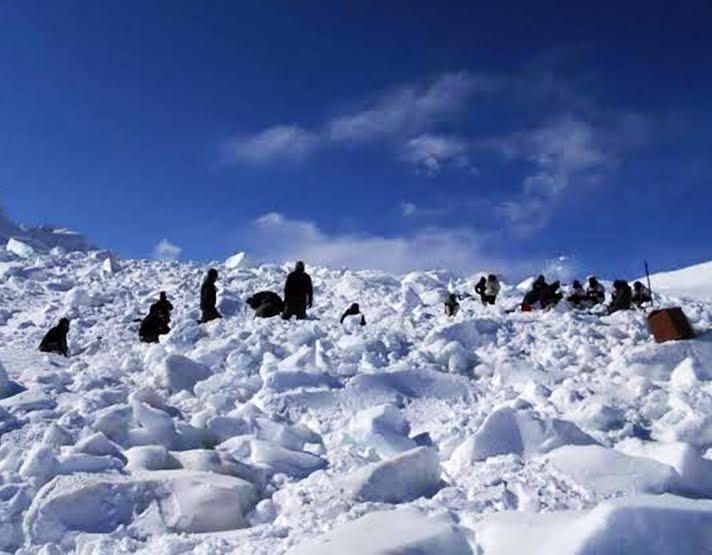
In Kashmir, the retreat of the Kolahoi Glacier has cascading effects far beyond the mountains. Kolahoi feeds the Lidder River, which joins the Jhelum and ultimately sustains Wular Lake, one of Asia’s largest freshwater wetlands and a Ramsar site, as recognised by Wetlands International and India’s environment ministry. As glacier melt declines, the Lidder flows weaken, sedimentation increases in the Jhelum, and Wular Lake shrinks. This undermines fisheries, reduces flood buffering and increases flood risk in Srinagar during extreme rainfall events, a pattern noted in state-of-environment reports and wetland studies. Women engaged in fishing, farming and wetland-based livelihoods are among the first to lose income and food security as the lake’s ecology degrades.
The glaciers and perennial snowfields of the Pir Panjal range form a critical cryospheric system sustaining Kashmir’s river ecology. Prominent glaciers, Tatakuti (source of the Shaliganga), Sheen Moen (feeding the Sukhnag), and Sunset Peak Glacier (origin of the Doodganga), along with numerous smaller glaciers and snowfields supporting the Vishov River, regulate seasonal runoff and water security. These ice bodies act as natural climate buffers, releasing meltwater gradually during dry months.
However, Pir Panjal glaciers are experiencing accelerated retreat due to rising temperatures, declining snowfall, black carbon deposition and intensifying human pressures. Unregulated tourism, dam construction, military deployment in eco-fragile zones and unplanned road development disturb surface stability and heat balance, hastening ice loss. Protecting these glaciers demands strict regulation, scientific monitoring and climate-sensitive mountain governance to safeguard Kashmir’s hydrological future.
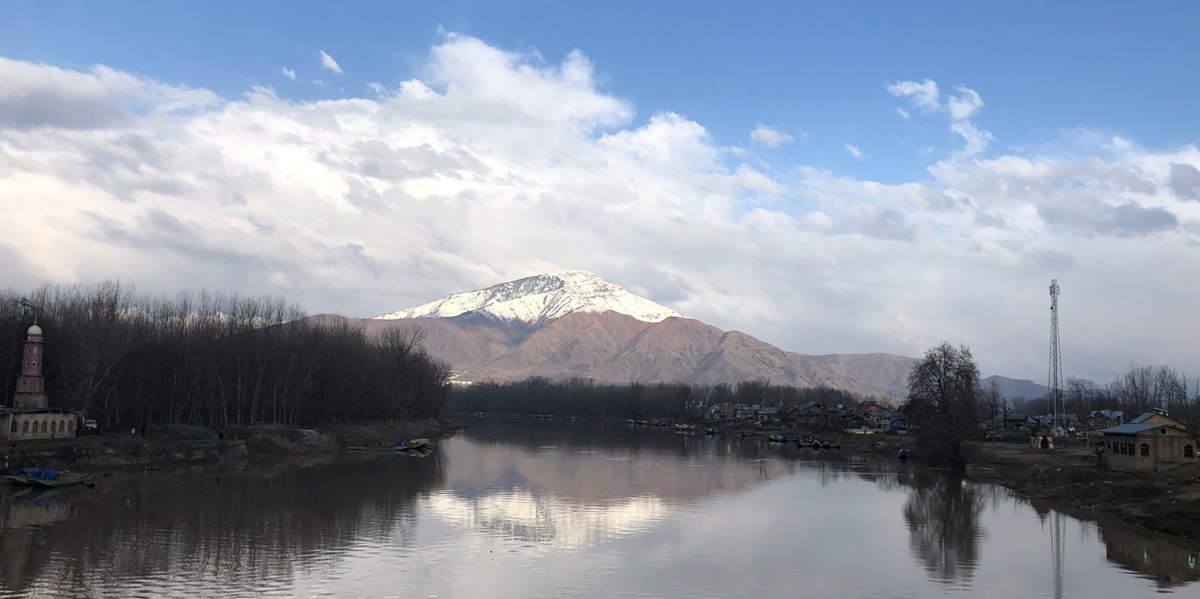
Why are Himalayan glaciers vanishing so fast? Rising temperatures play a central role, with mountain regions warming faster than the global average, a phenomenon confirmed by IPCC assessments. Even a one-degree rise dramatically accelerates melt at glacier tongues. Changing snowfall patterns reduce accumulation, while rain-on-snow events increase runoff and erosion, according to cryosphere studies published in the Journal of Glaciology. Black carbon from diesel engines, brick kilns and biomass burning settles on snow, reducing reflectivity and increasing heat absorption, an effect documented by UNEP and regional air pollution studies. Deforestation, road building, unregulated tourism and hydropower expansion further destabilise fragile mountain slopes.
Initially, increased meltwater can create the illusion of abundance. But once glaciers shrink beyond a threshold, dry-season water scarcity becomes inevitable, a transition described in global glacier change studies published in Science. Agriculture across the Indus–Ganga plains faces growing irrigation stress, threatening food security and rural livelihoods. Hydropower projects encounter unpredictable flows and safety risks, while forests lose moisture stability, increasing fire vulnerability, as noted in regional climate impact assessments.
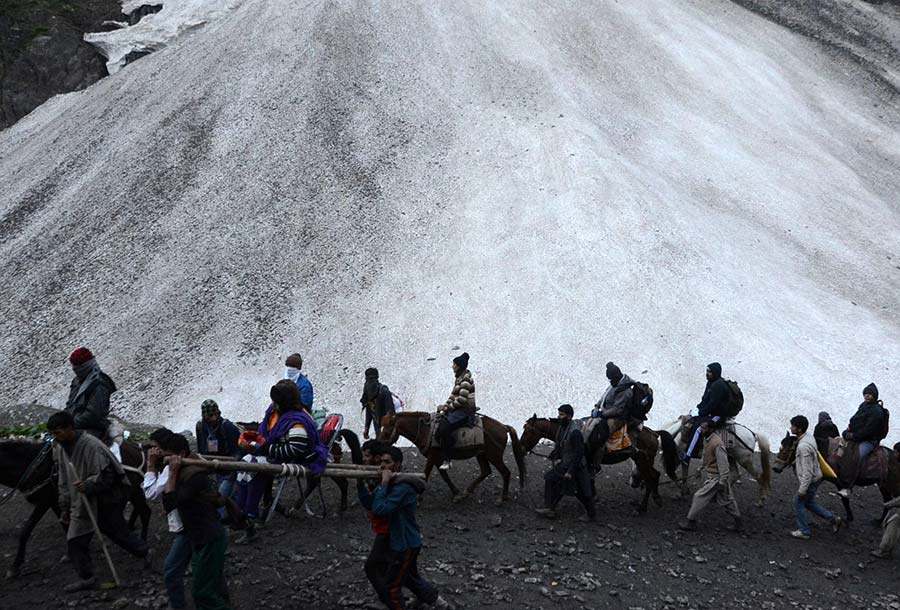
Glaciers cannot be preserved without rapid global reductions in greenhouse gas emissions, a conclusion emphasised by the IPCC. However, experts argue that the rate of loss can still be slowed and impacts governed through black carbon control, glacier and glacial lake monitoring, early warning systems for glacial lake outburst floods, climate-sensitive infrastructure planning, protection of forests and wetlands, and community-centred adaptation. Evidence from Himalayan adaptation studies shows that women’s participation in water governance and disaster planning is essential, as they are both disproportionately affected and central to household and community resilience.
The science of Himalayan glacier loss is no longer uncertain. What remains uncertain is whether governance systems will respond with the urgency and foresight this crisis demands. Himalayan glaciers are not remote features of high-altitude landscapes. They are the hydrological and ecological foundation of South Asia. As they retreat, rivers lose their rhythm, wetlands lose their buffering capacity, forests lose resilience and societies, especially the most vulnerable, lose their margins of safety.
Protecting Himalayan glaciers is therefore not just an environmental obligation. It is a matter of water security, disaster prevention, social justice and intergenerational responsibility. The Himalaya is speaking through its melting ice. Whether governments, institutions and societies listen and act will determine the future of an entire region.
When glaciers vanish, rivers forget their way, and civilisations lose their memory.
(The author is a Climate justice activist and conservationist who works with Nature Conservancy Alliance (NCA), an organisation working on mountain ecology, climate, wetlands, water and wildlife. The ideas are personal.)