by Shaista Amin
Keran’s rising tourist popularity brings economic promise but also mounting pressure on its fragile ecosystem, infrastructure and cleanliness, demanding smarter, sustainable tourism management
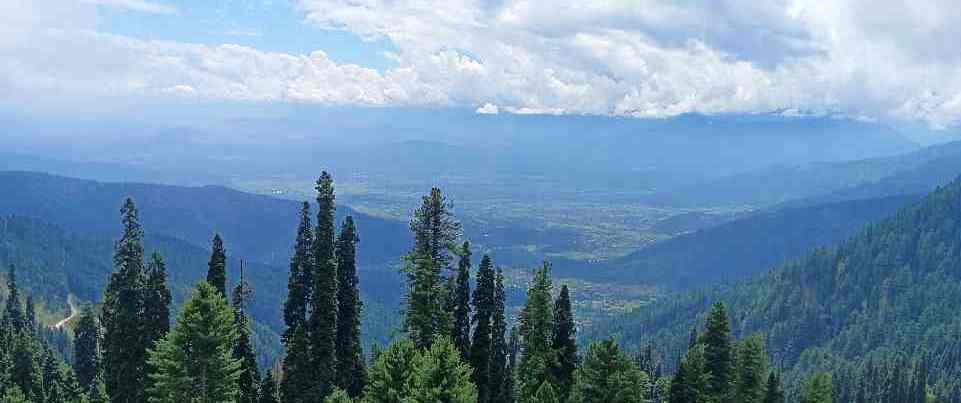
There are some places that you visit and simply forget, and then there are places that stay with you long after you leave. Keran Valley belongs to the second category. My recent visit to Keran was among the most beautiful and memorable experiences I have had. The majestic mountains, the Kishanganga River, lush greenery and the unique border landscape make Keran unlike any other tourist destination in Kashmir. Yet, amid all this natural beauty, one thought kept returning to me: Are we taking care of Keran as carefully as we are promoting it?
Keran has witnessed a remarkable increase in tourist footfall in recent years. Social media has brought this beautiful valley into the imagination of thousands of people who now wish to experience its landscape for themselves. During weekends, holidays and peak tourist seasons, the roads and tourist spots often witness a huge rush. This growing popularity is certainly a positive development for local tourism and the economy, but it also brings a serious responsibility. We are inviting the world to Keran, but are we preparing Keran for the world?
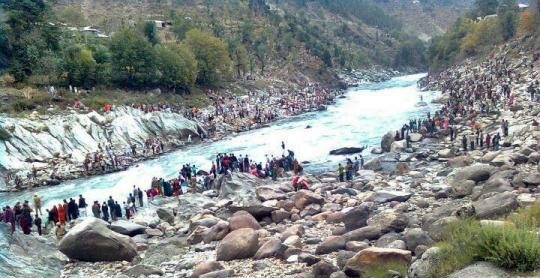
During my visit, one particular sight caught my attention. Looking across the Kishanganga River, the difference in the upkeep of certain visible areas was noticeable. The flag area on the opposite side appeared neatly maintained, with considerable attention given to its surroundings and overall presentation. On our side, there is clearly room for improvement in cleanliness, landscaping, maintenance and basic visitor facilities. This observation should not be viewed as a political comparison or criticism of any country. Rather, it should encourage us to look inward and ask a simple question: if a place can be maintained with care on one side of the river, why cannot we aspire to maintain our side with equal dignity and attention?
The beauty of Keran is a gift of nature, but natural beauty alone cannot sustain tourism. Tourism requires proper planning, cleanliness, infrastructure and responsible management. The increasing tourist rush is already putting pressure on roads, parking spaces, sanitation facilities and waste-management systems. The most visible concern is often the simplest one—garbage. Plastic bottles, wrappers and other waste may appear insignificant when discarded by one individual, but when thousands of visitors do the same, the cumulative impact can be devastating for a fragile mountain ecosystem. A tourist takes a photograph in seconds, but nature may take decades to recover from the damage caused by irresponsible tourism.
The government and concerned departments therefore need to treat Keran as a priority tourism destination and prepare a comprehensive plan for its development and maintenance. Cleanliness should be non-negotiable. Adequate dustbins, regular waste collection, proper waste-disposal mechanisms, public toilets and routine cleaning must be ensured at major tourist locations. Proper parking arrangements are equally important because the growing tourist rush cannot be managed indefinitely through roadside parking and temporary arrangements. Well-planned parking spaces would not only reduce congestion but also improve the overall experience and safety of visitors.
At the same time, development must be sensitive to the ecological character of the valley. Keran does not need excessive concrete structures or unplanned commercialisation. What it needs is thoughtful and environmentally responsible development. Properly designed viewing points, walking areas, landscaped public spaces, signboards, sanitation facilities and other basic amenities can significantly improve the tourist experience without destroying the natural character of the landscape. Development does not mean covering every beautiful place with concrete; sometimes development simply means keeping a place clean, accessible and dignified.

There is also tremendous potential for involving local communities in the tourism economy. Local youth can be provided opportunities in guiding, hospitality, eco-tourism, waste management and other tourism-related activities. The people of Keran should not merely witness the growth of tourism around them; they should be active participants and primary beneficiaries of it. At the same time, they can become important partners in protecting the valley’s environment and maintaining its cleanliness.

Social media has undoubtedly played an important role in putting Keran on the tourism map. A single photograph or video can now attract thousands of visitors. But Instagram can promote a destination; it cannot maintain one. The responsibility for maintaining Keran rests with the administration, local institutions, tourism stakeholders and, equally importantly, the visitors themselves. Tourists must also understand that enjoying a landscape comes with a responsibility to leave it as beautiful as they found it.
(The Author is a Research Scholar in the Department of History at the University of Kashmir. Ideas are personal.)