by Dr Masoon A Beig
The government must regulate coaching centres, enforcing standards on infrastructure, class sizes and teacher qualifications.
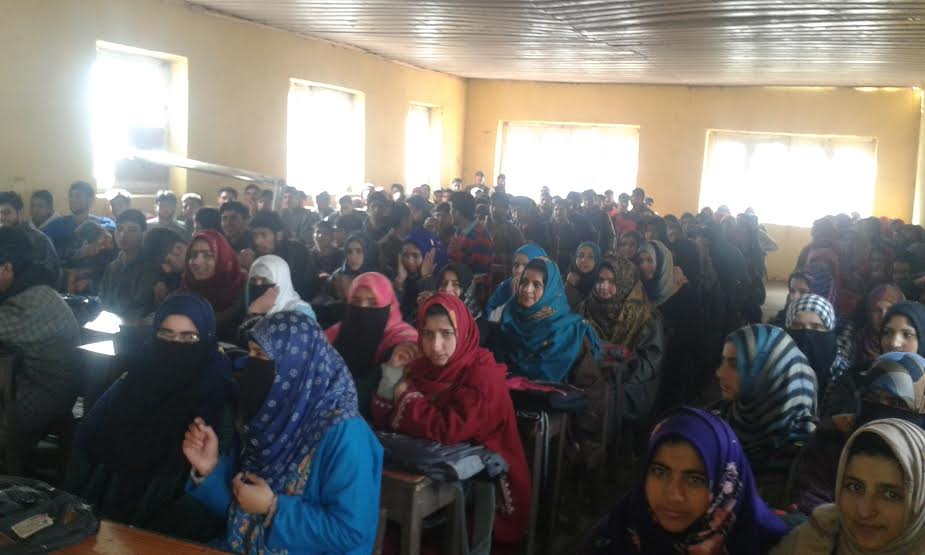
The coaching craze sweeping Kashmir has become an enduring feature of the region’s educational landscape, masking a complex tragedy. Over the past 20 years, coaching centres have mushroomed in urban and semi-urban areas, wielding significant influence over students’ futures.
These institutions thrive due to the high stakes surrounding competitive exams for medicine, engineering and administrative services. Such fields are often regarded as the most viable routes to social mobility. Parents, driven by societal pressures and aspirations, invest substantial resources into coaching, sometimes jeopardising their financial stability.
For many families, this pursuit of better opportunities comes at a steep cost. Middle- and lower-income households make extraordinary sacrifices: selling ancestral land, depleting savings or accumulating debt. This stark reality underscores the commercialization of education and its emotional and financial toll on families.
The proliferation of coaching centres has dramatically altered Kashmir’s educational landscape. These institutions prioritise profit over quality education, frequently failing to deliver on promises of academic excellence.
Overcrowded classrooms and inadequate infrastructure plague many centres, where rote learning overrides meaningful engagement. Students receive scant individual attention and mentorship, exacerbating the pressure to succeed.
Unmet expectations often culminate in feelings of inadequacy. This parallel education system increasingly eclipses traditional schools, undermining their role in providing holistic development and well-rounded education. Students frequently favour coaching centre attendance over regular classes.
The coaching craze exacts a devastating psychological toll, particularly on students, who face relentless academic pressure. Long hours spent at coaching centres, coupled with school responsibilities and familial expectations, leave students little time for relaxation or personal pursuits.
This lifestyle fosters a culture of burnout, plagued by anxiety, stress and depression. The fear of failure and societal stigma worsen these issues, pushing some students to the brink of mental health crises. In extreme instances, this pressure has led to self-harm and suicidal tendencies, highlighting the tragic consequences of this educational environment.
The coaching craze’s normalisation is its most troubling aspect. In Kashmir, coaching is deemed essential, not optional. Alternative career paths and educational approaches are rarely explored or valued.
This single-minded focus on medicine and engineering stifles creativity, critical thinking and individuality. Academic success is prioritized above all else, leaving little room for arts, humanities or entrepreneurship.
The coaching industry exacerbates educational inequalities. Affluent families access premier centres, gaining a competitive edge. Economically disadvantaged students struggle with limited resources, widening the gap in opportunities and outcomes.
A collective effort from policymakers, educators, parents and society is required to address this issue.
The government must regulate coaching centres, enforcing standards on infrastructure, class sizes and teacher qualifications. Simultaneously, traditional schools need strengthening to restore their significance. This entails adequate resources, well-trained teachers and modern pedagogical approaches.
School-based career counselling programs would help students explore options beyond medicine and engineering.
Parents must recognize the risks of overburdening children and balance academic aspirations with emotional well-being. Educational institutions should integrate mental health support systems.
Society should redefine success, promoting appreciation for diverse talents and careers.

The coaching craze in Kashmir symbolises aspiration and ambition but also exposes systemic flaws and societal pressures requiring urgent attention.
Unless addressed, this phenomenon risks perpetuating cycles of stress, inequality and a narrow focus on academic achievement, compromising students’ holistic development and well-being.
Kashmir can transform this tragedy into an opportunity by fostering balanced and inclusive education, paving the way for a more equitable future.
(The author teaches geography at GDC Kilam. Ideas are personal.)