by Midhat Majeed
Examination failures, paper leaks, and administrative lapses devastate students, deepen inequality, undermine merit, erode public trust, and demand urgent reforms
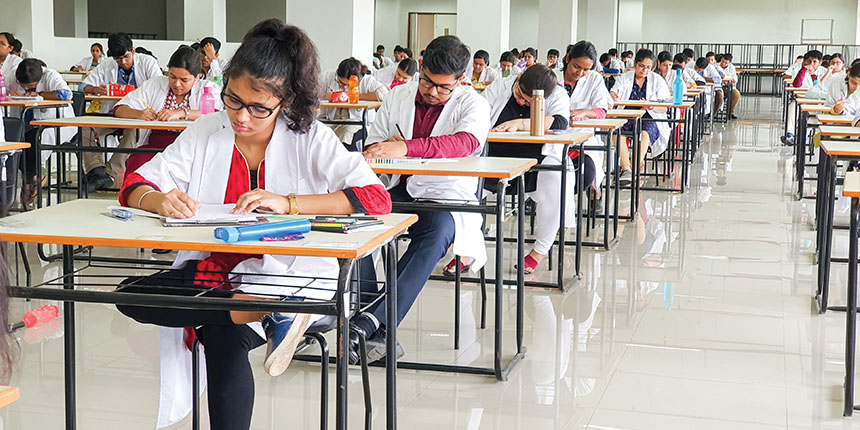
Imagine sleeping for just two hours for an entire year.
Imagine studying for fourteen to sixteen hours every single day.
Imagine saying no to weddings, birthdays, family gatherings, and even sleep because a single exam could decide your entire future.
Now imagine reaching the examination centre only to discover that the examination has been cancelled because the paper was leaked—or perhaps never reaching the examination centre because it was located in an entirely different state or even another part of the country.
That is not merely an examination failure.
It is the collapse of a student’s hopes, confidence, and trust—trust in the system, hope for a better future, and confidence in themselves.
This is why an examination crisis is not simply an administrative problem; it is also a humanitarian and social justice issue.
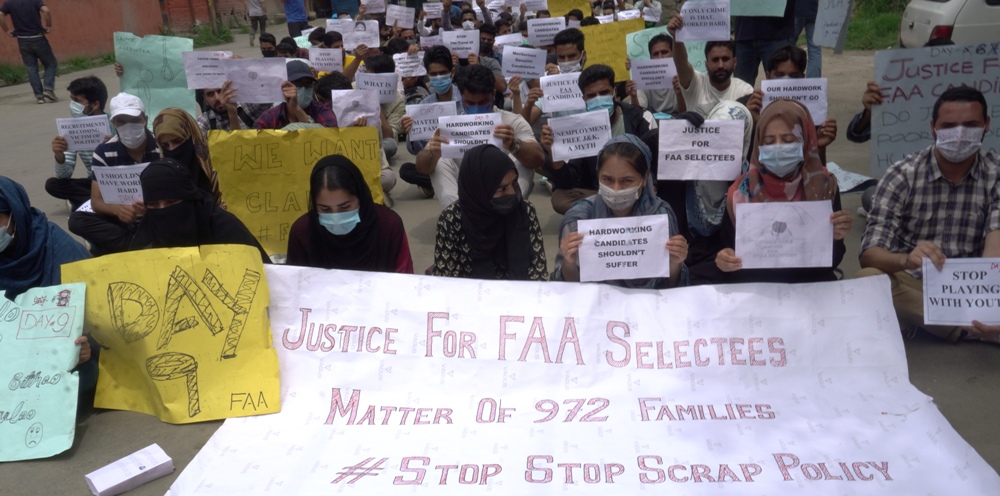
The competitive examinations held in India are of immense importance to millions of students because they offer what many see as the only ray of hope for escaping poverty. A secure government job represents a lifeline of stability for those belonging to economically weaker sections and low-income groups. Parents endure tremendous personal hardships, sacrificing their savings, selling assets, taking large loans, and working long hours—doing whatever is necessary to ensure their children receive the best possible education by providing books, study materials, coaching classes, and everything else they need. They hope that, through sheer hard work, their children will break free from the cycle of poverty.
Unfortunately, because of issues such as paper leaks, delayed examinations, and administrative negligence, our examination system repeatedly fails students across the country. Although these failures may affect only one examination at a time, they have far-reaching consequences for countless innocent lives, crushing the dreams of millions of students who rightfully deserve every opportunity to succeed.
Around 60 per cent of India’s population lives on less than $3.10 per day, highlighting the severe economic hardships faced by a large section of society. Although government estimates suggest that poverty has declined significantly over the past few decades, millions of families still struggle to meet their basic needs. Such households regard education as their only reliable path out of poverty. Children from families of farmers, daily wage labourers, auto-rickshaw drivers, cab drivers, tailors, cobblers, small shopkeepers, and domestic helpers often spend years of their youth preparing for a single competitive examination in the hope of securing stable employment. Their success is never merely personal; it represents an opportunity to improve the lives of their entire family. These examinations therefore carry enormous emotional, financial, and social significance.
Preparing for competitive examinations demands extraordinary sacrifice. Most aspirants dedicate years of their lives to studying. They give up their hobbies, friendships, family life, social activities, and often even their physical and mental health. Many sleep for only a few hours each night while studying continuously for fourteen to sixteen hours a day, gradually becoming isolated from their loved ones.
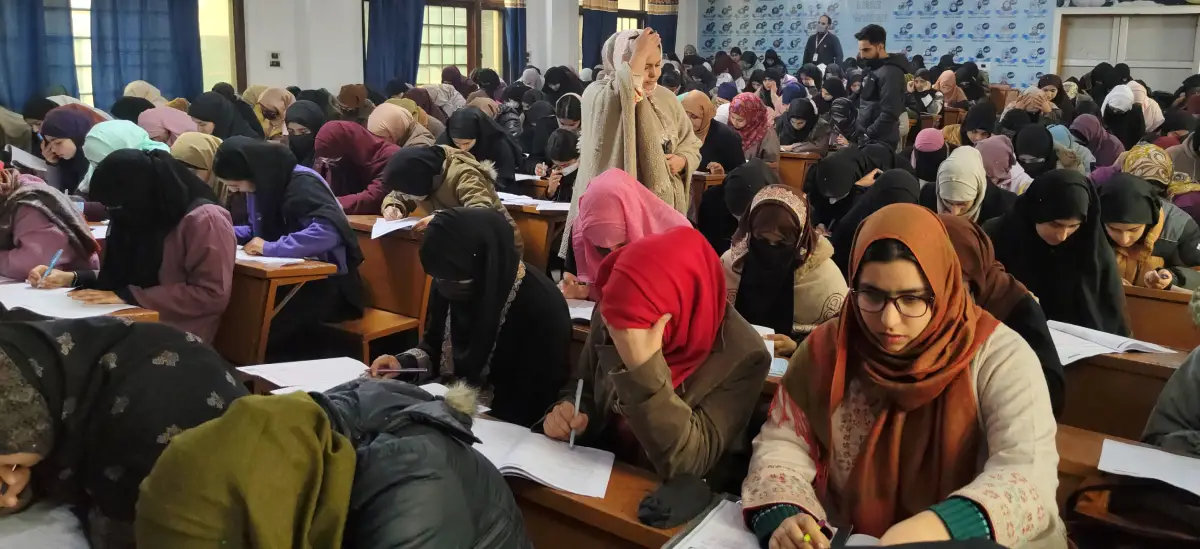
During my own preparation for an entrance examination, I studied so intensely that there were months when I survived on barely one hour of sleep each day. Whenever I felt sleepy, I would repeatedly pinch myself, slap my face, or even take cold showers during harsh winter nights simply to stay awake and continue studying without interruption. Although this severely affected my physical and mental health, I continued because I believed that my hard work would eventually be rewarded through a fair and transparent examination system. Unfortunately, this experience is not unique; countless aspirants across the country endure similar hardships in pursuit of their dreams.
The real challenge begins with the allocation of distant examination centres. It has become increasingly common for candidates to be assigned centres hundreds of kilometres away from their hometowns. This forces students to undertake long journeys by bus or train, spend money on accommodation, and travel to unfamiliar cities, placing an enormous financial burden on families already struggling with their livelihoods and existing debts. Even after making these sacrifices, delays caused by traffic or train schedules sometimes result in candidates arriving only a few minutes late. Yet, after years of preparation and sacrifice, they are denied entry into the examination hall because of strict reporting deadlines.
On behalf of students, I would like to ask a simple question: why are paper leaks tolerated by the system, while arriving at an examination centre ten minutes late is treated as a catastrophic breach of discipline and an unforgivable offence?
One heartbreaking incident that I vividly recall, and which received widespread attention on social media, involved a father and his daughter arriving at an examination hall only a few minutes after the reporting time. As officials refused the girl entry, the father reportedly suffered a severe panic attack and repeatedly struck his head against the entrance gate in desperation, while his daughter hugged him and broke down in tears. This tragic incident illustrates the immense emotional pressure experienced by students and their families. Missing an examination does not merely mean missing one test; it often signifies the loss of an entire year of preparation, hope, confidence, financial investment, and hard work.
After all this, the most devastating aspect of the examination crisis is the repeated occurrence of paper leaks. According to The Indian Express, there have been more than 89 paper leaks and 48 re-examinations over the past decade, affecting nearly 1.5 crore students. This is no trivial matter. Such incidents destroy the very principle of meritocracy upon which competitive examinations are based.
Investigation reports suggest that leaked question papers are sold for enormous sums of money, sometimes amounting to several lakh rupees. This creates a deeply unfair system in which students from financially privileged backgrounds gain an illegal advantage, while hardworking aspirants from economically weaker backgrounds are left to suffer the consequences.
The consequences of these paper leaks extend far beyond academic disappointment. Students experience severe anxiety, frustration, helplessness, and depression after discovering that their honest efforts have been rendered meaningless by a corrupt system. Families who have taken loans to pay for coaching, study materials, travel, and accommodation are left burdened with debt and uncertainty about the future. In recent years, reports indicate that 14 students across India have died by suicide because of overwhelming examination pressure, repeated failures, and feelings of guilt over what they perceived as wasting their families’ hard-earned money. These tragic incidents reflect profound systemic failures. They demonstrate how examination failures and institutional corruption can have devastating psychological consequences for vulnerable students.
Beyond these immediate educational consequences faced by students, the examination crisis has broader implications for democratic participation and civic engagement. Many students devote the most productive years of their lives, from their late teens to their early thirties, to preparing for competitive examinations. Their daily routine consists of studying for twelve to sixteen hours a day, solving mock tests, and repeatedly appearing for examinations that may ultimately be leaked or cancelled. Over time, many aspirants become trapped in a cycle that consumes their youth.
Young people become so absorbed in the struggle for employment and a better life that they have little time, energy, or opportunity to participate actively in public affairs, question those in authority, or demand greater transparency and accountability from the institutions responsible for governing them. For many economically disadvantaged families, the situation is even more distressing. Parents invest their life savings or borrow money to finance their children’s education, believing that merit and hard work will eventually be rewarded. Yet repeated examination failures often leave these students unemployed well into their late twenties. Many eventually abandon their aspirations and return to low-paying jobs that barely provide enough to survive. At that stage, their immediate concern is securing food and other necessities rather than participating in the political process or holding public institutions accountable.
As a result, the examination crisis affects not only individual careers but also has the potential to weaken active citizenship, democratic participation, transparency, accountability, and public trust in state institutions.
This crisis, however, extends beyond educational institutions and has become a wider social and ethical issue. When merit in society is replaced by corruption, unethical practices, or administrative inefficiency, it reflects what the German philosopher Jürgen Habermas described as a legitimation crisis. Such a situation creates a society in which people begin to believe that success depends not on talent or hard work but on wealth, influence, and personal connections. These developments damage public confidence in the credibility of institutions and gradually erode citizens’ trust in the rule of law.
These circumstances raise important questions about accountability. When examination papers are leaked, examinations are cancelled, re-examinations are conducted, or recruitment processes are delayed for months—or, in some cases, even years—I want to ask one simple question:
Who will accept responsibility?
Students bear immense emotional trauma, lose valuable opportunities, and suffer severe financial hardship, yet institutional accountability remains largely absent. On the other hand, those who raise questions or demand accountability are sometimes labelled “terrorists” or “anti-national”. The fact that young students can be branded in such a manner is perhaps the most disturbing aspect of this crisis.
To restore public confidence in our institutions, there must be strict punishment for those involved in examination fraud, stronger cybersecurity, transparent investigations, secure examination procedures, and student-centred administrative reforms.
Institutions responsible for conducting these examinations must recognise that they are not merely organising tests; they are safeguarding the aspirations and dreams of millions of young people across the country.

The examination crisis is not merely an educational problem; it is a humanitarian, economic, and governance crisis. Every paper leak represents an administrative failure. It weakens society’s faith in the Constitution and its fundamental values of fairness and justice.
A fair examination system is one of the foundations of a developed and prosperous nation. Ensuring accountability, transparency, and integrity within examination systems is therefore not merely an administrative responsibility—it is a moral obligation owed to every student who places their faith in the promise of merit, fairness, and equal opportunity.
(The author is a student of political science. Ideas are personal.)