by Syed Majid Gilani
Once a symbol of unity, warmth, and collective morality, Srinagar’s Shehr-e-Khaas now stands quieter and more fragmented. This poignant reflection mourns the fading traditions that once made the old city a haven of compassion, accountability, and shared living.
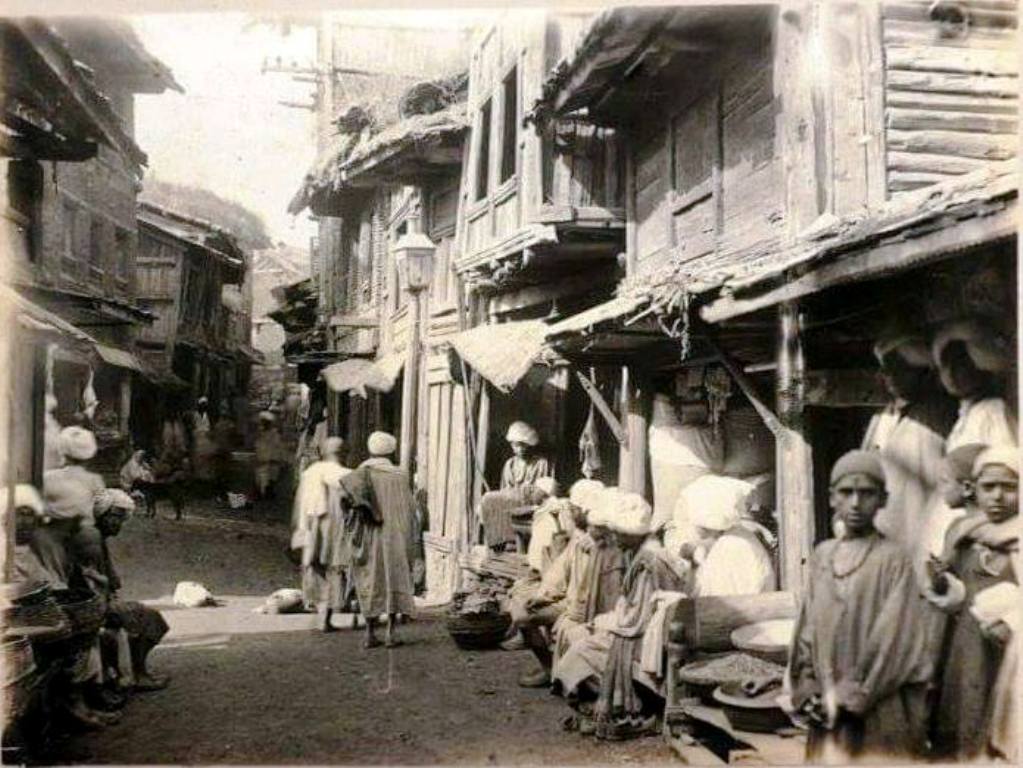
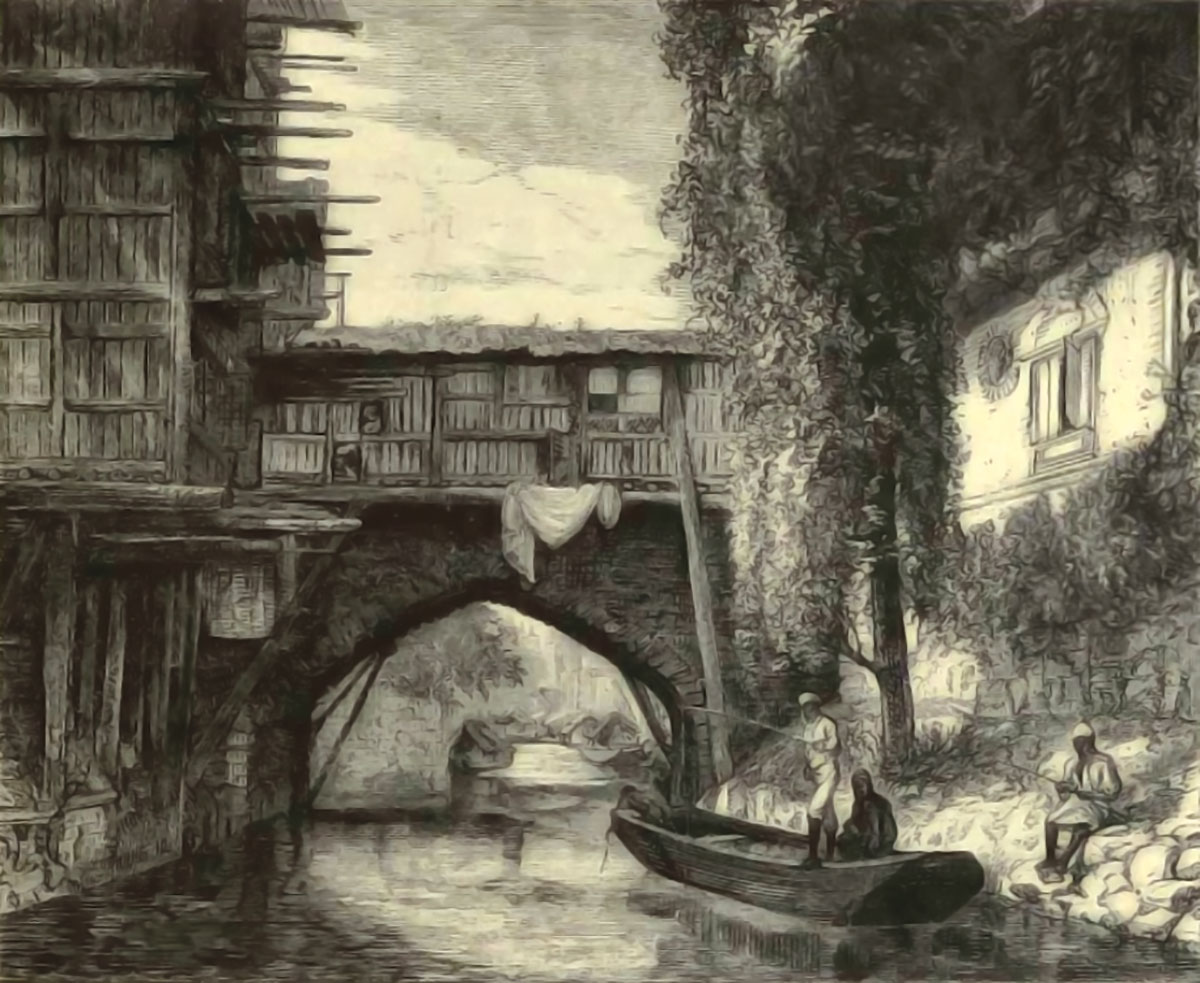
There was a time, not too long ago, when life in Srinagar’s Shehr-e-Khaas, the historic Downtown, moved with a gentle rhythm: simple, content, and bound by a deep sense of togetherness. The narrow lanes, wooden homes, bustling courtyards, and centuries-old mosques were not merely built spaces, but living witnesses to a society knitted together by sincerity and silent understanding. Though homes were modest and means were limited, the people were generous, and relationships were genuine.
Back then, society took responsibility for its own. Neighbours cared not to intrude, but out of heartfelt concern. Elders would stop a child to ask where they were going or check in on their family, and no one took offence. These questions came from a place of love and a quiet desire to guide.
One of the most beautiful aspects of that era was the way people shared their lives and meals. When a special dish like Tehri, Halwa, Gaadi, Paachi, Houk Suen, or the winter favourite Harisa was made, neighbours were offered a portion, not out of courtesy, but love. Happiness was never confined to one household, and sorrow was never borne alone.
The soul of Shehr-e-Khaas lived not only in homes but in community gathering spots,the waani pend, Kander Waan, hamams, and Naid Waan. These informal ‘parliaments’ of the neighbourhood brought together people of all classes and ages to share news, debate politics, and resolve disputes. Elders, respected for their wisdom, mediated conflicts and offered counsel. These spaces were once the nerve centres of Downtown—now, they lie mostly silent.
Strong social checks and balances were in place, maintained by elders, relatives, and community leaders. These guardians upheld morality with quiet authority and sincere advice. Disputes were resolved through heartfelt discussion, not legal confrontation. The weight of their words came not from power, but from honesty and collective trust.
Women’s dignity was vigilantly protected. If unrest was sensed in a household, the women of the neighbourhood would step in discreetly, offering counsel, support, and, when necessary, intervention. Similarly, if a married daughter visited her parental home too often, it would be gently noted, not with suspicion, but concern.
Children were raised by the whole community. Any elder could correct a misbehaving child, and no parent took offence. Such a collective upbringing created well-mannered individuals and upheld respect for elders as a sacred value. Disrespect was not just frowned upon—it was seen as a stain on one’s family.
The poor and needy were not abandoned. If someone fell on hard times, meals would arrive unasked, help was extended quietly, and dignity was preserved at all costs. No one was allowed to fall alone.
Physical presence meant everything. Joy and grief were shared face-to-face. Even when telephones were rare, people made time to visit each other, share a cup of Kehwa or Noon Chai, and sit in silence if needed. Bonds were built on presence, not messages.
This close-knit social fabric also helped keep crime and moral decay at bay. Elders played a silent but powerful role in guiding society’s moral compass. Their interventions were more effective than any law.
During a tragedy, a death, an illness, or financial hardship, the entire neighbourhood rallied together. Help came unannounced. Meals were cooked, company given, hands held, and sorrow shared.
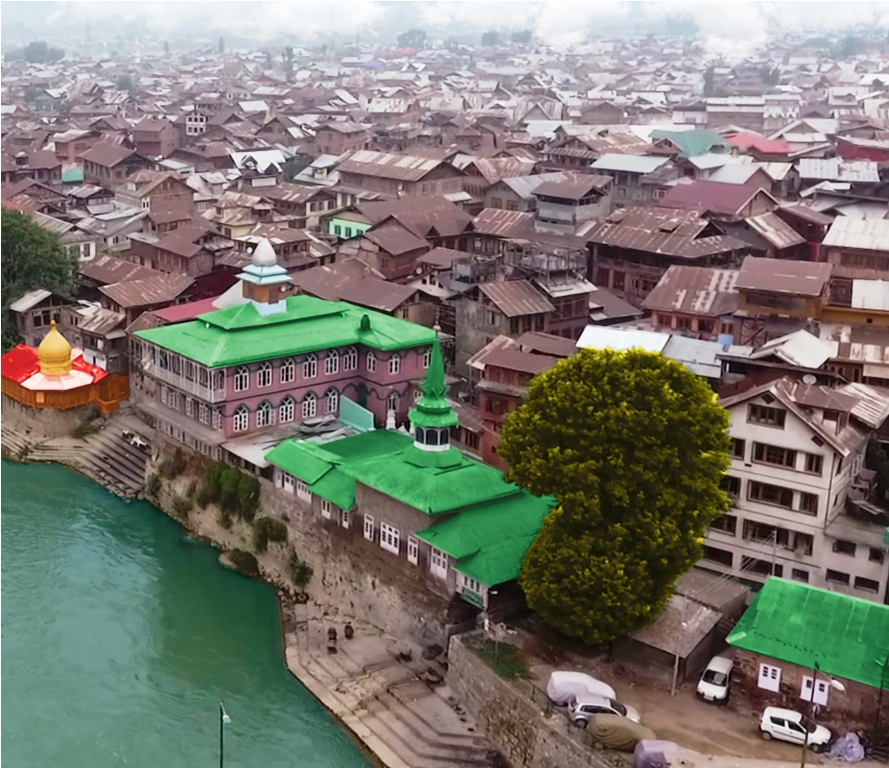
This was the Srinagar we knew, with Shehr-e-Khaas as its living soul. A city of small homes and big hearts. But today, those bonds are breaking. The same lanes now echo with silence and detachment. People are too busy, too wary to engage. Celebrations are private, tragedies are unnoticed. Where elders once mediated with warmth, cold courtrooms now take over. With the erosion of community involvement, families suffer in silence, and moral guidance fades.

We haven’t just lost customs, we’ve lost the soul of our community. Shehr-e-Khaas was once a symbol of moral strength and unity, now surviving only in memories and the stories of those old enough to remember.
As material comforts grow, hearts shrink. Big houses now shelter lonely souls. The streets no longer echo with greetings, only with hurried, indifferent footsteps. The warmth and collective wisdom of Shehr-e-Khaas is fading.
With every bond that breaks, we lose more than a tradition—we lose a piece of our identity, our history, our shared soul.
May the memories of those golden days remind us of what we have lost—and perhaps, someday, guide us back to a life where hearts were bigger than homes, neighbours were family, and the streets of Shehr-e-Khaas rang with laughter, greetings, and gentle wisdom once more.
(The author is a Srinagar-based writer. Ideas are personal.)