by Suhail Gaznavi
Rising knife violence reflects deeper social issues, amplified by films and music glorifying aggression, drugs, and power, confusing youth and weakening the impact of reform efforts
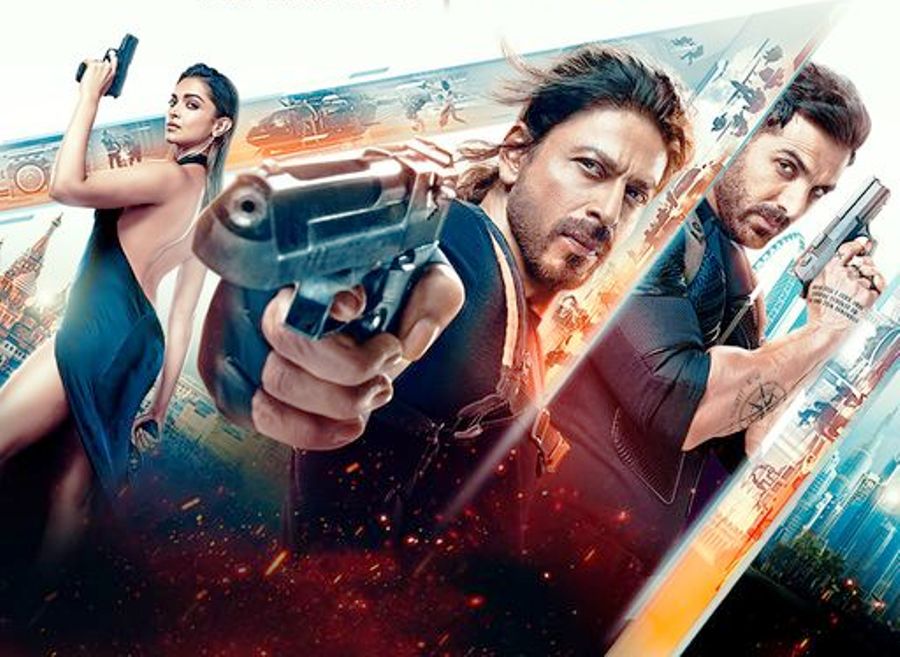
In recent times, society has witnessed a disturbing increase in knife-stabbing incidents. What was once rare and shocking now appears with worrying regularity. This growing trend compels us to reflect not only on law enforcement and social breakdown but also on cultural influences, particularly the impact of films, web series, and music content.
Cinema is not merely entertainment; it is a powerful psychological force. It shapes attitudes, language, behaviour, and moral boundaries. When negative characters are portrayed in a heroic, dominant, and stylish manner, the line between right and wrong begins to blur.
A striking example is Sacred Games, where the character of Ganesh Gaitonde became immensely popular despite being a ruthless gangster. His dialogue, Kabhi kabhi lagta hai apun hi bhagwan hain, became a cultural catchphrase. Many repeated it casually, admiring the confidence while ignoring the criminality behind it. What was essentially arrogance rooted in violence began to appear bold and fashionable.
Similarly, in the recently released film Dhurandhar, a powerful line is delivered with dramatic intensity: “Rehman Dakait ki di hui maut badi kasainuma hoti hai.” (“A death delivered by Rehman Dakait is extremely brutal.”)
When such dialogues are accompanied by intense background music, slow-motion visuals, and a commanding screen presence, they often receive applause and admiration. The character appears fearless, dominant, and larger than life. However, beneath the cinematic glamour lies a dangerous message that brutality can be a symbol of strength.
This concern is not limited to films and web series alone. In recent times, several newly released music albums and songs have also begun to glorify weapons and drug addiction. Visuals showing the consumption of drugs are often presented in a stylish, glamorous, and “heroic” manner. This creates a dangerous contradiction. On one hand, the government runs campaigns like Nasha Mukt Bharat Abhiyan to eliminate drug abuse; on the other hand, popular media increasingly normalises and even celebrates the same behaviour.
Such conflicting messaging confuses young minds. When anti-drug campaigns promote awareness and discipline, but entertainment content glorifies intoxication and violence, the impact of reformative efforts is weakened. There is a growing need for ethical scrutiny and regulatory oversight to ensure that content does not irresponsibly promote harmful behaviour.
The issue is not about one film, one song, or one dialogue. The concern arises when aggression, revenge, substance abuse, and weapon-based dominance are repeatedly portrayed as admirable qualities. Psychological research suggests that repeated exposure to such imagery can desensitise individuals. When violence and addiction are shown without realistic consequences, legal punishment, health damage, or social destruction, they risk becoming normalised.
Young minds are particularly vulnerable. Adolescence is a stage of identity formation. Many youngsters look toward popular culture for behavioural cues. When criminals or drug users are depicted as charismatic and powerful, they may be subconsciously admired rather than discouraged.
Knife violence, especially, reflects impulsive aggression, often triggered by ego clashes, peer pressure, or the desire to assert dominance. When the media repeatedly associates weapons with masculinity and authority, it reinforces a dangerous symbolism.
At the same time, it would be simplistic to blame the media alone. Rising violence is also linked to unemployment, substance abuse, weakening family supervision, and erosion of moral guidance. Media influence acts as an amplifier where social vulnerabilities already exist.
This is not a call for censorship, but for responsibility. Creative freedom is essential in a democratic society, but it must be accompanied by ethical awareness. Crime narratives can be powerful without glorifying criminals. Music can be expressive without celebrating addiction. Impactful storytelling does not require romanticising destruction.

Alongside social and cultural reform, there is also an urgent need for stricter laws and, more importantly, effective implementation of existing laws. Weak enforcement often emboldens offenders. A strong legal framework, backed by consistent and impartial enforcement, is essential to deter crime and restore public confidence.
Parents, educators, and community leaders must also play their role. Moral and ethical education must be strengthened. Young people should be taught critical thinking to distinguish between cinematic fiction and real-life consequences.
The rising trend of knife-stabbing incidents should serve as a wake-up call. If society continues to consume violent and self-destructive narratives uncritically, aggression and addiction may gradually become normalised.
A responsible society does not merely punish crime; it prevents the mindset that breeds it.
(The author is an advocate at the Jammu, Kashmir and Ladakh High Court. Ideas are personal.)