by Aubaid Ahmad Akhoon
Modern leaders must deeply reflect on these principles and embrace the timeless wisdom of the Khilafat-e-Rashidah. By embodying justice, accountability, compassion, unity, and humility, they can build societies rooted in fairness, prosperity, and peace.

Long ago, nestled among towering mountains and winding rivers, lay a small village named Amal, meaning Hope. The villagers led simple lives, bound together by unity and sustained by their collective hard work. But one fateful year, disaster struck. A relentless drought parched their fields, leaving crops withered and wells barren. Despair crept in as hunger tightened, and the once-harmonious discussions among the villagers turned into bitter arguments.
Recognising the gravity of the crisis, the village elders resolved to seek guidance. They had heard of a wise traveller, a man who had devoted his life to studying the teachings of the Prophet Muhammad (peace be upon him) and the era of the Khilafat-e-Rashidah—the period of the rightly guided caliphs. When the traveller arrived, the elders approached him with desperation.
“Our village is falling apart,” they pleaded. “We are losing faith in our unity and our leaders. Even in these trying times, teach us how to build a just and prosperous society.”
The traveller smiled warmly and replied, “Let me share with you the stories of those who ruled with justice, compassion, and humility, guided by the teachings of Islam. Their examples will not only guide you but also help you transform your community.”
The traveller began his lesson. “Justice is the bedrock of a prosperous society. Without it, trust crumbles, and chaos reigns.” He recounted a story from the caliphate of Umar ibn al-Khattab (may Allah’s Mercy be upon him). One night, Umar overheard a child crying. Disguised as a common man, he approached the source of the sound and found a mother boiling stones to deceive her hungry children into thinking food was being prepared.
Moved by the scene, Umar did not delegate the task to others. Instead, he carried a sack of flour on his own back and delivered it to the woman. When his companion offered to help, Umar responded, “Will you carry my burden on the Day of Judgment?”
“This,” the traveller explained, “is the essence of justice. It is not merely about fairness in courts but about taking personal responsibility for the well-being of every individual under your care. A just leader sleeps peacefully knowing no one goes to bed hungry or oppressed.”
The villagers listened intently, their faces reflecting a dawning understanding. They began to see how fairness and personal accountability could restore peace and harmony to their fractured community.
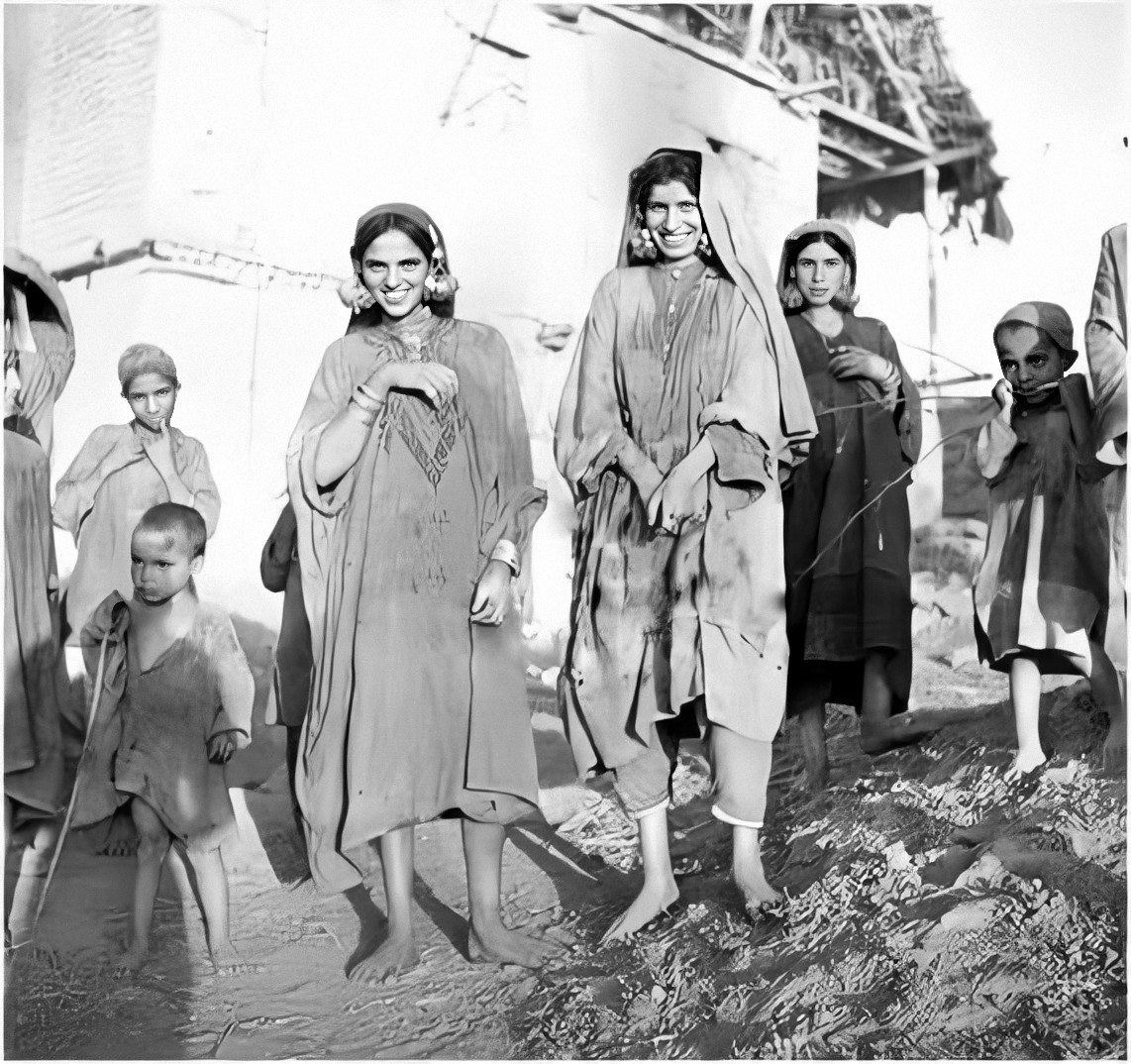
The traveller continued, his voice steady and earnest. “Leadership is not about power; it is a trust, an Amanah. When Abu Bakr Siddiq (may Allah’s Mercy be upon him) became the first Caliph, he stood before the people and declared, ‘Obey me as long as I obey Allah and His Messenger. If I disobey them, then you owe me no obedience.’”
Abu Bakr, the traveller explained, held himself accountable not only to the people but also to Allah. He did not see himself as a ruler above the law but as a servant of the people, always willing to be corrected if he erred. “Leadership thrives,” the traveller emphasised, “when it is guided by humility and accountability, not arrogance and greed.”
The village elders listened intently, their faces reflecting a newfound understanding. They realised that they, too, must hold themselves accountable, ensuring their decisions serve the community rather than their interests.
The traveller then shared another story, his tone softening. “During his caliphate, Umar ibn al-Khattab once saw a camel struggling under a heavy load. Tears filled his eyes as he said, ‘Fear Allah in your treatment of animals.’
The traveller paused, allowing the weight of the words to settle. “If such was his compassion for animals,” he continued, “imagine the mercy he showed his people. Compassionate leadership brings hearts together and inspires loyalty. Leaders must never ignore the cries of the needy, for their service is a duty to Allah.”
The villagers were visibly moved. They began to understand that compassion starts with small acts of kindness and understanding, particularly toward the most vulnerable among them.
The traveller’s voice grew firmer as he turned to the next lesson. Ali ibn Abi Talib (may Allah’s Mercy be upon him), the fourth Caliph, once reminded the people of the Prophet’s (peace be upon him) words: The believers are but brothers.
He explained that during Ali’s time, divisions arose, yet Ali worked tirelessly to unite the people, even at great personal cost. “He taught that division weakens a community, while unity strengthens its foundation,” the traveller said. “A divided nation falls, but a united one can overcome any challenge.”
The villagers nodded solemnly. They recognised that their infighting was tearing them apart and pledged to rebuild their unity, setting aside their differences for the greater good.
Finally, the traveller concluded with the most profound lesson. “All of this wisdom,” he said, “comes from the teachings of Prophet Muhammad (peace be upon him), who said, ‘The leader of a people is their servant.”’
The Prophet, the traveller explained, led by example. He mended his clothes, carried his belongings, and shared his food with the poor. “His humility inspired his followers,” the traveller said, “and his leadership transformed a fractured society into a unified and just Ummah. A leader who leads by example creates a ripple effect, inspiring others to do the same.”
Inspired by the traveller’s stories, the people of Amal began to transform their lives. The elders took it upon themselves to ensure justice was upheld, overseeing the fair distribution of food and water and swiftly addressing grievances. Leaders held themselves accountable, inviting feedback from the community and acting upon it with humility. Compassion became a cornerstone of their society, with neighbours helping one another through times of hardship. Unity flourished as the villagers worked together, remembering that their strength lay in their togetherness.
Over time, the drought ended, but the lessons they had learned remained etched in their hearts. Amal became a beacon of hope for neighbouring villages, a place where fairness, humility, and service to others were not just ideals but lived principles.
The traveller’s stories offer profound lessons for modern leaders, providing a timeless blueprint for ethical and compassionate governance. At the heart of leadership lies the principle of justice—the foundation upon which any prosperous society is built. A true leader ensures that every individual under their care is treated fairly and given their due rights, irrespective of their social or economic standing. Justice demands that decisions be free from favouritism, bias, and personal gain, fostering an environment of trust and security. Leaders who prioritise justice lay the groundwork for a nation where harmony prevails, and grievances are resolved swiftly and equitably.
Equally important is the concept of accountability. Leadership is not a privilege to wield unchecked power but a sacred trust bestowed upon an individual by both the people and, ultimately, Allah. Modern leaders must recognise that they are servants of their people, answerable for every decision and action they take. Just as the rightly guided caliphs held themselves accountable before Allah and their citizens, today’s leaders must remember that their authority is temporary, but the consequences of their actions will echo through eternity. Accountability ensures that leaders remain humble, self-aware, and committed to the welfare of their nation.
Compassion, too, is a cornerstone of exemplary leadership. A leader must care deeply for the needs of the most vulnerable members of society—the poor, the weak, and the voiceless. Acts of kindness and mercy are not mere gestures but vital tools for building trust and fostering unity. When leaders prioritise the well-being of their people, they inspire loyalty and ensure that no one feels neglected or abandoned. Compassionate governance not only strengthens the bond between a leader and their people but also reflects the values of humanity and moral integrity.
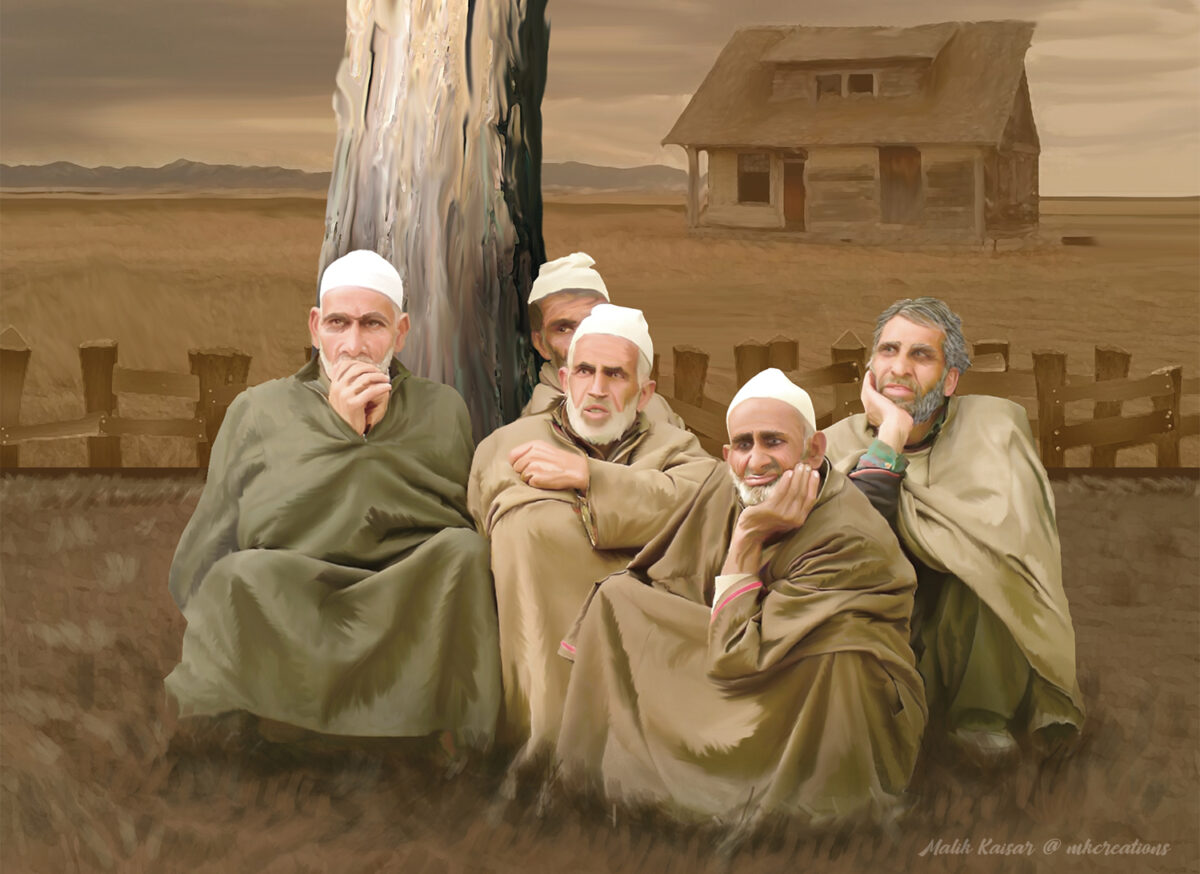
Unity is essential for the survival and prosperity of any nation. Division, discord, and selfish agendas are the seeds of a nation’s downfall. Leaders must rise above personal ambitions and partisan divides to bring people together. By fostering a sense of shared purpose and collective responsibility, they can strengthen the fabric of society, making it resilient in the face of challenges. A united nation stands tall, capable of overcoming even the gravest adversities.
Finally, humility defines true leadership. A leader who serves with humility and leads by example earns the respect and love of their people. The Prophet Muhammad (peace be upon him) and the rightly guided caliphs exemplified this through their selflessness, simplicity, and dedication to serving others. Humility transforms leadership from a position of dominance into a role of service, inspiring others to emulate the same values in their lives.

Modern leaders must deeply reflect on these principles and embrace the timeless wisdom of the Khilafat-e-Rashidah. By embodying justice, accountability, compassion, unity, and humility, they can build societies rooted in fairness, prosperity, and peace. Leadership is not about securing power but about creating a legacy that uplifts humanity and earns the pleasure of Allah.
The story of Amal is not merely a tale of transformation but a reminder for leaders and citizens alike. It teaches us that with the right values, even the most challenging times can be overcome. In today’s world, where injustice, division, and selfishness often dominate, these principles serve as a beacon of hope. Leaders must strive to create a world where fairness, kindness, and unity prevail, for the betterment of society and as a means to fulfil their divine responsibility.
(The author is serving as Senior EDP Head at SKIE Classes. Ideas are personal.)