by Gowhar Shafi Bhat
This transient nature of fame raises an important question: are we fostering realistic expectations for these young aspirants, or are we merely feeding them an illusion?
Recently, a Class 8 student I know approached me with a surprising question about the qualifications for the KAS exam. Intrigued, I inquired about his interest. With excitement shining in his eyes, he explained that he had been captivated by the celebrations and the buzz surrounding the recent JKAS results.
The flood of congratulatory messages, interviews, and news features had left a significant impression on him. He viewed the exam as a pathway to admiration and recognition. His fascination prompted me to reflect on the powerful message our society communicates to young minds, often without intention.
While celebrating hard-earned achievements is commendable, it is worth considering whether placing JKAS qualifiers on such a high pedestal conveys a narrow definition of success. Numerous other careers contribute profoundly to society—roles that are equally, if not more, essential for the progress of our region. For instance, positions such as Medical Officers, Assistant Engineers, and Assistant Professors, ranked at Pay Level 9, 8A, and 10, respectively, offer higher salaries and greater responsibilities.
Despite their vital contributions to health, infrastructure, and education, these professions do not receive the same media attention or social recognition. Hierarchically, these positions rank above JKAS officers, who occupy Pay Level 8 and, thus, earn less than their counterparts in other fields. As William Bruce Cameron articulated, “Not everything that can be counted counts, and not everything that counts can be counted.”
However, the popularity of the JKAS is not merely a reflection of the prestige associated with these services. In many instances, it has become a fallback for those who initially aimed for the IAS (Indian Administrative Service) but encountered setbacks due to its intensely competitive nature.
This backup plan is something of an open secret within the academic community, with many candidates viewing the JKAS as a means to attain a degree of societal respect, despite not qualifying for the IAS. Although the JKAS represents a commendable achievement, this reality is seldom acknowledged in media portrayals, which tend to focus almost exclusively on success stories, thereby reinforcing the pedestal effect.
The downside of this narrow portrayal is that it subtly overshadows the intellectual diversity and richness present within the Kashmiri community. Alongside JKAS officers, there are talented teachers, scientists, writers, and other professionals who play vital roles in shaping society. Other examinations conducted by the JKPSC or state organisations yield professionals who serve our region admirably, yet they rarely receive comparable acclaim.
When we celebrate only one pathway to success, young minds, such as that Class 8 student, may start to believe that the JKAS, or indeed the IAS, are the only “worthy” goals, overlooking other fields where they could also thrive and make a significant impact.
Moreover, the fleeting popularity surrounding civil services qualifiers often proves short-lived. Public attention can dissipate quickly, leaving these professionals to navigate the demands of their roles, often without the same level of public support. This transient nature of fame raises an important question: are we fostering realistic expectations for these young aspirants, or are we merely feeding them an illusion?
To foster a healthier perspective on success, society must broaden the range of professions it honours and celebrates. By valuing the contributions of various fields, which require significant dedication and perseverance, we can create a culture that regards diverse careers as valuable and worthy of pursuit. This balanced view will illustrate to young people that multiple paths lead to respect and fulfilment—not merely one.
True progress lies in recognising all who contribute to our shared future. The Kashmiri community should aspire to a vision where every profession that uplifts society is appreciated. Such an approach would encourage younger generations to pursue the paths that align with their talents and passions. Ultimately, this is the kind of society that will flourish, driven by diverse and fulfilling careers across all fields.
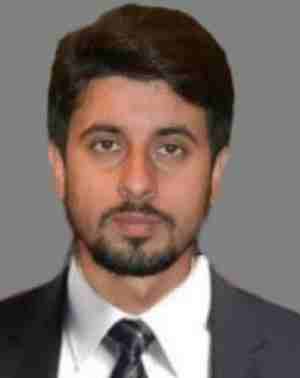
(The author is a Doctoral Research Fellow in Thermal Engineering at one of the Institutes of National Importance. His interests include heat transfer technologies, global geopolitics, environmental sustainability, educational equity, and effective communication, particularly at the intersections of science, policy, and society. Views are personal.)