by Rayees Ahmad Kumhar
Kashmiri poet Majeed Masroor blends lyrical beauty with social reform, his book Parvaaz-i-Shaoor guiding youth through culture, morality, and identity

Back in the 1990s, during my early childhood, I fondly recall my grandfather listening to Kashmiri songs such as Khash Koruth Meanan Amaran Jaan Gou and Keal Watakh Chi Yel Meanis Mazras Peath Waai Pata Feari. These were frequently aired on Radio Kashmir’s Yuvawani service. At the time, I was too young to know their origin. Only years later did I discover that the soul behind these timeless lyrics was the renowned poet, writer, and broadcaster Majeed Masroor.
Belonging to the Khan Sahab area of Budgam district, Majeed Masroor has carved a distinctive place in Kashmiri literature and music. He has penned hundreds of poems and ghazals, many of which have been immortalised by celebrated singers and veteran vocalists of the valley. His contributions continue to enrich Kashmir’s cultural and artistic heritage. His voice as a poet is not limited to rhythm and rhyme; it carries an undertone of social responsibility and moral guidance, drawing from tradition while responding to contemporary challenges.
Alongside poetry, Masroor writes essays and articles that appear in leading local and national newspapers. His themes often centre on education, social evils, morality, and cultural values, reflecting a belief that literature must remain connected to the life of the people.
In 2022, his first collection of articles, Parvaaz-i-Shaoor, was published by Taj Printing Service, New Delhi. The book comprises 31 articles spread across 127 pages and is dedicated to the youth of the valley as well as to men and women committed to propagating the message of the Prophet of Islam. The volume carries pictures of Majeed Masroor with his mother, grandson, and friend, reflecting his deep personal attachments. The foreword, written by the author himself, states that his motive is to serve society through his pen, while highlighting the multidimensional aspects of human personality and society.
The book carries thoughtful endorsements. Maulana Mohd Muzaffar Qadri, Imam of Khanqah Moula Sopore, praises Masroor’s efforts to combat social evils and promote community well-being. Similarly, Ishfaq Gouhar observes that Masroor is deeply sensitive to the wrongs prevalent in society and that his writings are aimed at guiding youth towards a positive direction, ultimately seeking to build a crime-free society. Both remarks underline that Masroor is not merely a literary figure, but also a social reformer who recognises the power of words to mould young minds.
The articles themselves reflect Masroor’s wide concerns. The opening piece, Ikhlaq: Ek Azim Niyamat, is a reminder of the value of noble virtues and exemplary character, drawing on the sayings of the Prophet. Ye Kashmir Hai offers a lyrical portrait of the valley, describing its snow-clad peaks, green meadows, and crystal waters, while citing the verses of Jahangir, Iqbal, Chakbast, and Prof Aal Ahmad Saroor in praise of its beauty. In Madri Zaban – Mother Tongue, he stresses that the survival of a community depends on preserving its native language and warns of the inferiority complex that arises when it is neglected.
In another essay, Khidmati Khalaq hi Insaniyat, he writes that serving humanity is the truest form of piety, rising above divisions of caste, creed, or tribe, a message reinforced through the poetic couplets of Iqbal and Ab Ahad Azad. Buzurgon ka Ehtram focuses on respect for elders, emphasising that the way today’s children treat the old will one day determine how they themselves are treated in their frailty. Ustaad – The Teacher pays tribute to teachers as the true builders of nations, with examples and quotations from great thinkers affirming the nobility of the profession.
Among the most moving essays is Maa – Mother, which begins with the tender line: “The word ‘mother’ is sweeter than honey.” The inclusion of poetic couplets by Munawar Rana and Masroor himself heightens its emotional power. Another striking article, Lala Ded not LD, is a strong plea to preserve the dignity of Kashmir’s saint-poetess, Lala Ded, whose vakhs continue to shape Kashmiri identity. Masroor laments the casual abbreviation of Lal Ded Hospital to “LD,” which he sees as a grave injustice to such a towering cultural figure.
The collection closes with personal reflections, including My Village Khansahab, where he narrates the history of his native place. He explains how Syed Ismail Khan’s son, Soleh Khan, grew into a revered saint, attracting people from far and wide, and from this legacy, the village came to be known as Khansahab.
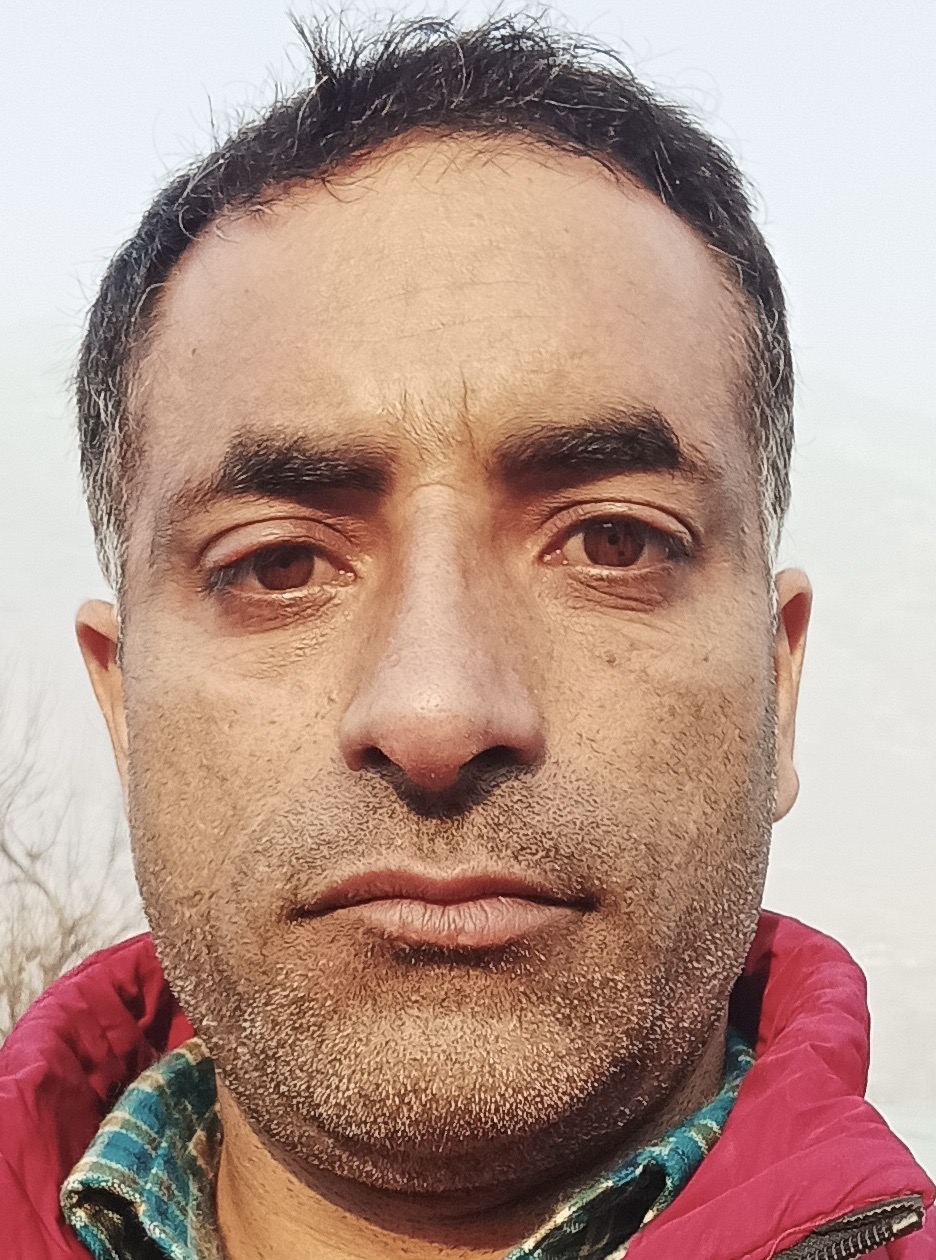
What makes Parvaaz-i-Shaoor remarkable is the way it balances intimacy with universality. The themes may arise from local contexts, respecting elders, preserving the Kashmiri language, protecting cultural icons, but they also echo concerns shared across societies and generations. In this sense, Majeed Masroor stands as a bridge between Kashmir’s rich literary past and its uncertain present. His pen carries the echoes of Lala Ded and Iqbal, yet speaks directly to today’s youth.
Through poetry and prose alike, Majeed Masroor has continued a tradition of using literature as a means of reform and reflection. His work blends personal memory with collective identity, making him not just a poet of the valley but also a voice for its conscience. At a time when cultural values are under strain and social evils threaten the fabric of communities, his writings remind readers that words, when used with sincerity and conviction, can heal, guide, and inspire.
(Author is a teacher. Ideas are personal.)