by Peer Mohammad Amir Qureshi
The concern is that as AI-generated content becomes more prevalent, the unique voices of Kashmiri writers may be overshadowed, ultimately harming the region’s rich literary heritage.
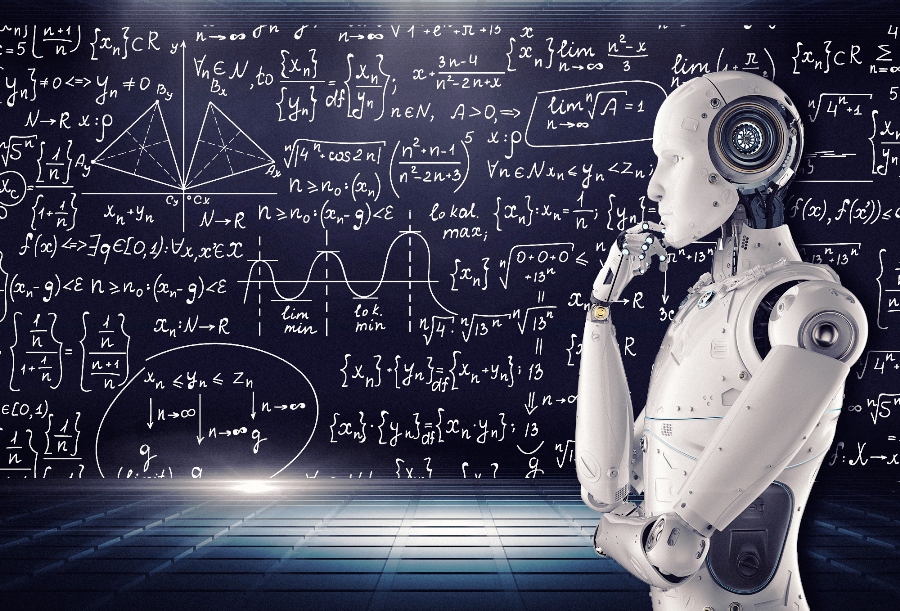
As the steam from my morning tea spiralled upwards, I felt a surge in my literary curiosity while sipping the warm brew. As I idly scrolled through Facebook, an article from an anonymous weekly magazine caught my eye. The content, heavily reminiscent of ChatGPT’s style, piqued my interest. I ran a quick check by pasting two paragraphs into AI detection software to verify its authenticity. The results were startling: 98.25% of the text was generated by ChatGPT. Subsequent checks with other tools confirmed the finding.
This revelation highlights a troubling trend in Kashmir’s literary scene: the increasing use of AI to produce articles, poetry, and essays. It is disconcerting to see emerging writers in the region relying on ChatGPT for their work, often presenting machine-generated content as their own. This practice, which includes using AI-generated images and claims of authorship, undermines the principles of originality and sincerity in writing.
The legal landscape surrounding AI-generated works is evolving, raising questions about authorship and intellectual property rights. Current discussions emphasize that AI tools cannot be considered authors in the legal sense, as they cannot assume responsibility for the content they generate. This significantly impacts how works produced with AI assistance are credited and protected under intellectual property laws. Authors must disclose the use of AI in their work to maintain transparency and accountability, ensuring that they remain liable for the content produced.
Such reliance on AI represents a significant ethical breach, akin to plagiarism and misrepresentation. It not only devalues genuine creativity but also compromises the integrity of literary work. Even some editors of English dailies in Kashmir have succumbed to this trend, altering editorials with ChatGPT. The distinction between human creativity and AI-generated content is stark, and it is imperative to uphold the foundational values of responsible writing.
The rise of individuals claiming authorship of poetry and prose in both English and Urdu, despite lacking genuine artistic skill, is deeply troubling. These individuals are leveraging artificial intelligence to generate content, presenting it as their own work. Their actions are emblematic of the adage, “One bad apple spoils the bunch.” By passing off AI-generated material as original, they deceive readers and undermine the efforts of dedicated authors who invest significant effort and emotion into their work.
This practice contributes to a culture of deceit in Kashmir’s literary scene, where the pursuit of convenience undermines true creativity. Notably, the credentials of one such article I reviewed belonged to an inexperienced writer who had succumbed to the temptation of AI-generated content. The future of such authors raises concerns about the prevalence of literary dishonesty.
Daily, I observe the proliferation of AI-generated pieces in Kashmir’s leading English newspapers. These so-called authors merely input prompts into ChatGPT and then copy and paste the generated content without any substantive review or editing. This trend threatens to erode the integrity of literary work in the region.
My concern is not with any specific individual or publication but with the broader issue of literary deception that undermines the very essence of writing. My focus is on addressing the fraud, plagiarism, and deceit that compromise the integrity of our profession. It is crucial for writers’ guilds and newspaper editors to rigorously verify the authenticity of content, distinguishing between genuine human creativity and AI-generated material.
Editors have a vital role in identifying and rejecting these literary impostors, ensuring that they are excluded from contributing to any publication in the region. This vigilance is essential not only to maintain the credibility of their outlets but also to uphold the value of authentic writing.
AI is perceived as a threat to the traditional writing culture in Kashmir. Critics argue that the reliance on AI tools for writing diminishes the authenticity and originality that characterize human authorship. This shift is seen as potentially leading to a decline in creative expression and a homogenization of literary styles. The concern is that as AI-generated content becomes more prevalent, the unique voices of Kashmiri writers may be overshadowed, ultimately harming the region’s rich literary heritage.
The Kashmiri literary community must unite to address this challenge and foster a culture of originality and credibility. The future of writing depends on our collective commitment to protecting the integrity of our craft. Let us ensure that AI does not diminish the value of our work and our readers’ trust.
(The author is a columnist based in Ganderbal. Ideas are personal)