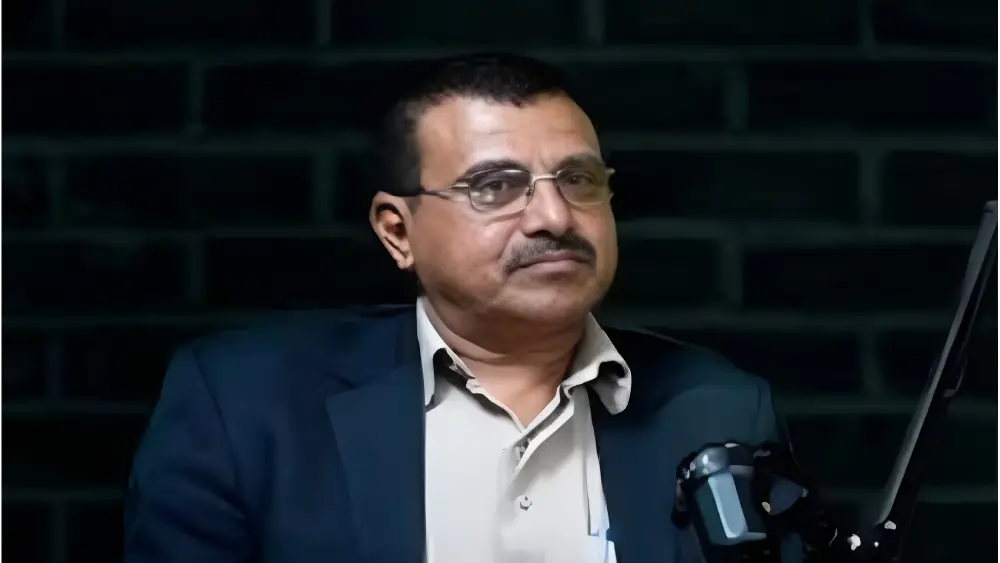
Kamal Jit Ghai, the former Director of the Central Institute of Petrochemicals Engineering & Technology, explains how plastics, an unavoidable requirement of the present times, can be tamed to make them less harmful to life and ecology. Participating in KL’s Consumer Rights with BIS series, the expert conversation was rendered in text by Babra Wani
KASHMIR LIFE (KL): What makes plastic such an unavoidable part of modern life?
KAMALJIT GHAI (KG): Today, plastic has become a ubiquitous material, nearly replacing metal and wood in most areas. In India, plastic consumption is rising steadily, with the per capita use now around 11 kilograms per person annually, and the industry growing at nearly 15 per cent each year.
Fuel efficiency in vehicles has improved as metal parts are increasingly replaced by plastic. The material is also widely used in agriculture, medicine, and even aviation. With a growing population and limited scope for cutting trees, plastic serves as an essential substitute for wood and other materials. It is lightweight, easy to produce, and requires relatively less energy to manufacture. As the plastic industry expands, if its products are made and used responsibly, plastic will remain highly beneficial.
KL: There are different types of plastics used for different purposes. How is plastic broadly categorised, and how do we understand these classifications?
KG: Plastic is categorised based on its usage across different sectors, such as packaging, agriculture, domestic products, and even in automobiles. However, the majority of plastic consumption, nearly 60 per cent, comes from the packaging industry.
Today, almost everything we buy involves plastic packaging. Despite this widespread use, only about 60 per cent of the plastic used in packaging is recycled, leaving a significant portion to contribute to waste and environmental pollution. India is producing 9.3 million tonnes of plastic waste per year.
KL: When it comes to food-related products such as plates, bottles, or mugs, are they made from a different type of plastic compared to packaging materials?
KG: Plastics used for food and medical products are of a much higher grade than general packaging plastics. In the medical field, syringes, blood pouches, and carry bags are made from specific food-grade materials that meet strict Bureau of Indian Standards (BIS) regulations to ensure safety.
Similarly, PET (Polyethylene Terephthalate) bottles, once imported but now also produced in India, are widely used because they are safe, lightweight, and durable. PET waste is easily collected and recycled into fibres used for products like pillows and other items, making it a recyclable and sustainable plastic option.
KL: Do food-grade plastics meeting BIS standards eliminate nanoparticles and microplastics?
KG: If BIS-certified food-grade materials are used and properly verified, they pose no harm as they’re designed for safe food contact. The real risk arises when manufacturers compromise quality by mixing recycled plastic and additives instead of using virgin material, making the product potentially toxic. Thus, toxicity and microplastic contamination stem from poor manufacturing and weak quality control, not from food-grade plastic itself.
KL: You’ve witnessed the evolution of the plastic ecosystem. Given its indispensability, what tools exist to manage its harmful effects, and how effectively are they implemented?
KG: To tackle the challenges posed by plastic, an effective plastic waste management system is essential. This system involves multiple stakeholders, including rag pickers, who play a crucial role in collecting and segregating single-use plastics for recycling and reuse. The government has begun recognising their contribution and prioritising their work in the waste management chain.
Almost all types of plastic have value; they can be processed, reformed, and reused in various ways. Recognising this, the government has adopted the concept of a circular economy, which aims to keep materials in circulation for as long as possible, minimising waste and maximising reuse.
Several initiatives are already in motion to strengthen this approach. A key framework within plastic waste management is the 6R concept: Rethink, Refuse, Reduce, Reuse, Recycle, and Repair. These principles guide responsible plastic management, from rethinking consumption patterns to recovering value from waste through strategic planning and proper implementation.
There are also different recycling techniques, such as mechanical and chemical recycling. In mechanical recycling, plastic scrap is reground and used to manufacture new products like furniture or road material. In chemical recycling, plastics such as PET are depolymerised and converted into fuel.
The biggest challenge remains a lack of public awareness. With proper education on responsible use and disposal, plastic-related problems could be managed far more effectively.
While many advocate a complete “no to plastic” approach, that goal is neither practical nor realistic. Plastic is indispensable in modern life, found in everything from mobile phones and LED lights to medical and agricultural equipment. The focus, therefore, must shift to eliminating single-use plastic. To address this, the Central Pollution Control Board (CPCB) banned the manufacture of carry bags below 120 microns from December 31, 2022. Thicker bags are stronger, reusable, and less likely to contribute to plastic waste and pollution.
The Bureau of Indian Standards (BIS) has also introduced key guidelines to promote proper recycling and reuse, including IS 14534, which covers the recovery and recycling of plastics, and IS 14535, which specifies the use of recycled plastics in manufacturing. These standards define safe recycling practices and outline which types of recycled plastics can be used for new products.
You may have noticed small numbers printed within a triangle on the bottom of plastic products, 1, 2, 3, 4, or 5. These are recycling codes explained in BIS standards, indicating the type of plastic and the kinds of products that can safely be made from its recycled form.
KL: Institutions such as the Bureau of Indian Standards (BIS), the Central Institute of Plastics Engineering and Technology (CIPET), and the Central Pollution Control Board (CPCB) have developed several standards and guidelines. But can these be implemented on the ground as effectively as they are formulated at the central level?
KG: Implementation of any policy or standard requires collective effort from the government, industry, and the public. In solid or plastic waste management, authorities alone cannot succeed without active public participation.
For instance, the CPCB mandates that plastic carry bags must be at least 120 microns thick. But for such rules to work, manufacturers must comply, shopkeepers must reject non-standard products, and consumers must avoid buying them.
KL: What role does the Bureau of Indian Standards (BIS) play in regulating plastics made from virgin, reused, or reprocessed materials, and how effectively are these standards enforced on the ground?
KG: The Bureau of Indian Standards (BIS) plays a very important role in setting and maintaining the quality of plastics in India. The main purpose of BIS standards is to ensure consumers receive safe, good-quality quality and long-lasting products. Every standard is made keeping the consumer in mind.
These standards, the quality and safety are maintained regardless of whether virgin, reused, or reprocessed material is used. The idea is that the product should not harm the user or the environment. Especially in plastics, safety becomes very important because poor-quality material can cause pollution or even health issues.
BIS regularly makes and updates standards. For example, after the ban on single-use plastics, BIS introduced new alternatives like biodegradable and compostable plastics. These materials can easily degrade when they come in contact with microorganisms like bacteria, naturally breaking down after disposal and reducing pollution.
BIS has made two main standards, IS 17088, which is about compostable plastics, and IS 14853, which is about testing the biodegradability of plastics in aquatic systems. These help to check and ensure that biodegradable materials are safe and actually break down in natural conditions.
The ‘not plastic’ carry bags often seen these days are typically biodegradable material under these BIS standards.
KL: Are bioplastics more expensive?
KG: The biodegradable plastic or bioplastic that has been developed so far is a little more costly than normal plastic. The main reason is that it is made from natural materials like corn, starch, and other organic sources, instead of petroleum-based raw materials used in regular plastic.
Bioplastics are often made by blending materials like polylactic acid (PLA), polyhydroxyalkanoate (PHA), or polycaprolactone (PCL) with natural components. A key challenge is maintaining strength and durability for items like carry bags. Currently, in some products, only 5–10 per cent of biodegradable material is mixed with normal plastic. This approach keeps the cost manageable, improves strength, and achieves at least partial biodegradability. The long-term goal is to make bioplastics cheaper and more efficient
KL: Science has greatly advanced human progress and comfort, driving innovations from healthcare to biodegradable plastics. Yet, until all plastic becomes self-degradable, waste will continue to harm our soil and land. As the head of a leading institution, have there been discussions with stakeholders on the impact of plastic waste on soil and agriculture?
KG: Yes, absolutely, these discussions are already happening. Practical techniques for recycling plastic waste exist, but the main challenge lies in effective collection and segregation. If managed properly, we can prevent plastic from entering agricultural land. Both the government and the public must play active roles in ensuring this.
Properly collected plastic waste can be turned into wealth. It can be recycled multiple times, and even when recycling is not viable, it can still be used in road construction or as fuel in incineration plants and cement industries. The key is to stop plastic from reaching farmlands; once that is controlled, the soil will not turn barren.
The government is making significant efforts, especially in addressing single-use plastics. Biodegradable alternatives made from natural materials such as starch or corn have been introduced, which are harmless to the soil.
Plastic, being hydrocarbon-based, contains carbon and hydrogen. When it degrades, it produces carbon dioxide and water—both naturally occurring substances. Therefore, if we understand the science and implement available technologies with sincerity, managing plastic pollution is entirely achievable. However, this requires a collective commitment from policymakers, industry, and the public alike.