by Dr Farooq A. Lone
Scientific temper is a constitutional duty that promotes rational thinking, combats superstition and encourages evidence-based decision-making. Strengthening science education, media literacy, and public engagement is essential to build an informed, progressive and rational society
November 26 is celebrated as Constitution Day to commemorate the adoption of the Constitution of India by the Constituent Assembly in 1949, which came into effect on 26th of January 1950. The Constitution is supreme and guides the citizens of the country in every sphere of activity.
Among all its provisions, the Constitution requires every citizen to develop a scientific temper. Article 51A(h) of the Constitution says, “It shall be the duty of every citizen…to develop the scientific temper, humanism and the spirit of inquiry and reform.” But do we really follow this requirement of the Constitution in letter and spirit? Leaving aside common people, even some so-called highly qualified persons holding very senior positions (the Director of IIT Chennai being the latest addition) lack even the basics of scientific temper.
Developing a scientific temper within communities is essential because it fosters critical thinking, rational decision-making, and an attitude of questioning towards information, allowing us to approach societal issues with evidence-based reasoning, combat superstition and contribute to progress by actively engaging with new knowledge and technology, ultimately leading to a more informed and progressive society.
By promoting critical analysis and reliance on evidence, a scientific temper helps people question unfounded beliefs and practices, leading to a more rational approach to daily life. With a scientific mindset, individuals can evaluate information objectively, enabling them to make better choices regarding health, the environment and other aspects of their lives. A community with a strong scientific temper is more likely to embrace new ideas, encourage research and contribute to technological advancements. By fostering open-mindedness and tolerance towards diverse viewpoints, a scientific temper can contribute to a more inclusive and equitable society. When people understand scientific principles, they can actively participate in discussions about complex issues and hold authorities accountable. The scientific method, with its emphasis on observation, experimentation and analysis, equips individuals with valuable tools to tackle challenges in their communities.
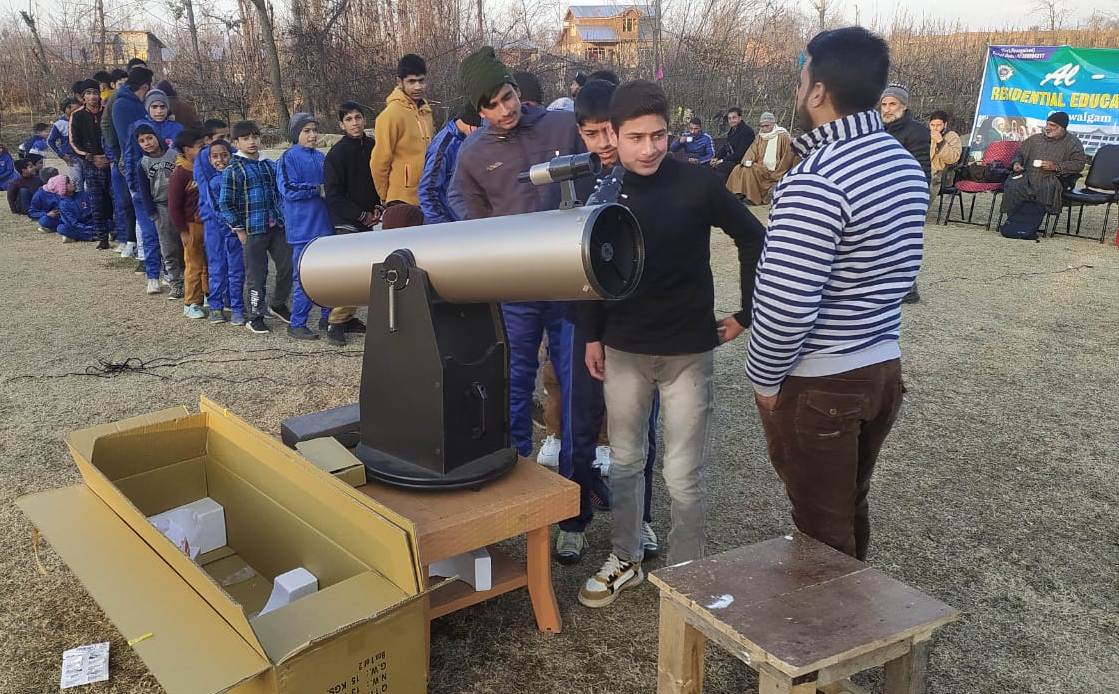
For developing scientific temper in communities, it is essential to incorporate science education at all levels, focusing on critical-thinking skills and practical applications. Also important is to engage the public with science-based activities, workshops and discussions. Media literacy is equally important. Promoting responsible reporting and encouraging critical evaluation of information sources becomes all the more important in today’s age of social media. It is also necessary to highlight the achievements of eminent scientists and leaders in various fields who actively promote rational thinking and evidence-based decision-making.
Scientific temper allows us to apply learning practically and make informed decisions. It also helps us to be more open-minded and tolerant of others. It aims to drive away superstition, religious bigotry and pseudoscience, unfortunately being increased by ill-informed social-media users and the so-called WhatsApp University.
For developing scientific temper in communities, educational institutions from schools and colleges to universities, dedicated scientific organisations and academies, along with non-government organisations, have to play a major role and lead by example. It was heartening to see Dr Nasir Shah, former Additional Director, Science and Technology Council, and a known mathematics teacher, visit the offices of senior officers and educational institutions with portraits of eminent scientists, briefly describing their contributions to science and mankind. More such innovative efforts are required by all those concerned with or interested in science popularisation and the development of scientific temper.
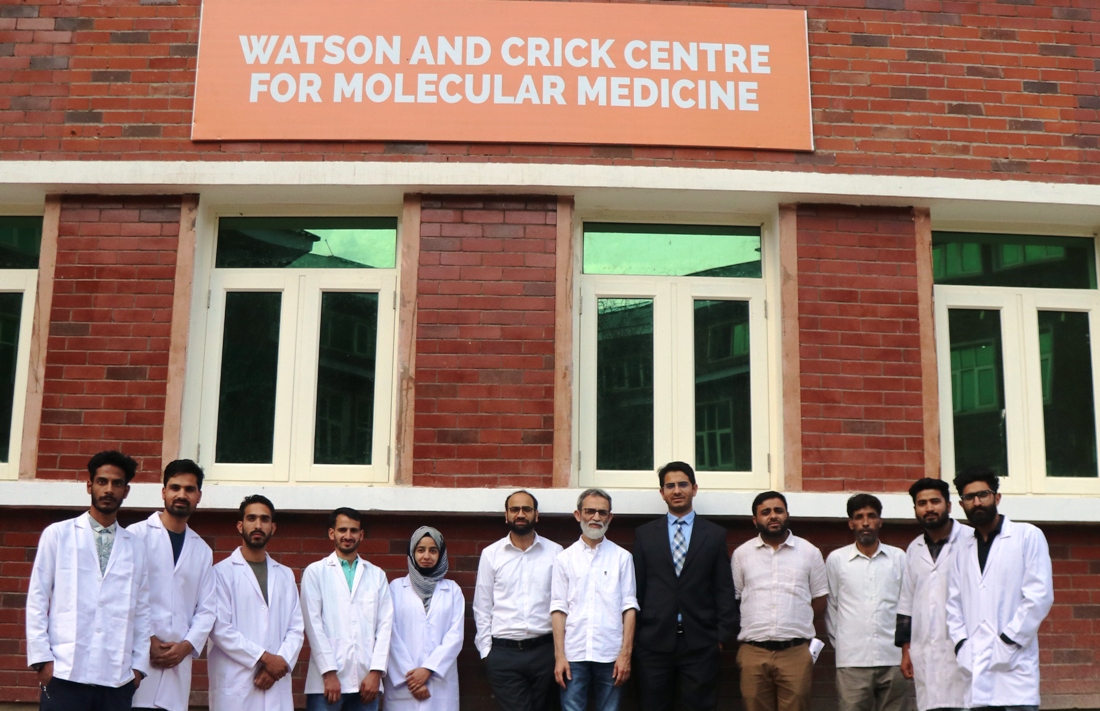
Having a scientific temper is altogether different from being university-qualified or educated at a good school or college. Even a person teaching science can largely lack it.
We can find many examples around us. In Kashmiri society, there are many irrational and unscientific habits and beliefs. A significant portion of society believes in black magic and sorcery as a cause of misfortune, illness or relationship problems. This has created a community of “peers” and “sihargars” who claim to perform or undo magic for a fee, thereby creating a flourishing profession for themselves.
The concept of the “evil eye” is also a prevalent superstition, where harm is believed to be caused by the envious gaze of others. People may use specific objects, such as hanging coloured water bottles, to ward off its effects.
There are beliefs in supernatural “spirits” which are often cited as the cause of various afflictions, particularly psychiatric conditions. There is a notable crisis of quackery, with unqualified individuals and faith healers providing unverified and potentially harmful treatments. Many people, especially those with chronic or mental health conditions, consult these faith healers before seeking professional medical or psychiatric care. This delay in receiving evidence-based treatment can lead to severe complications and even death.
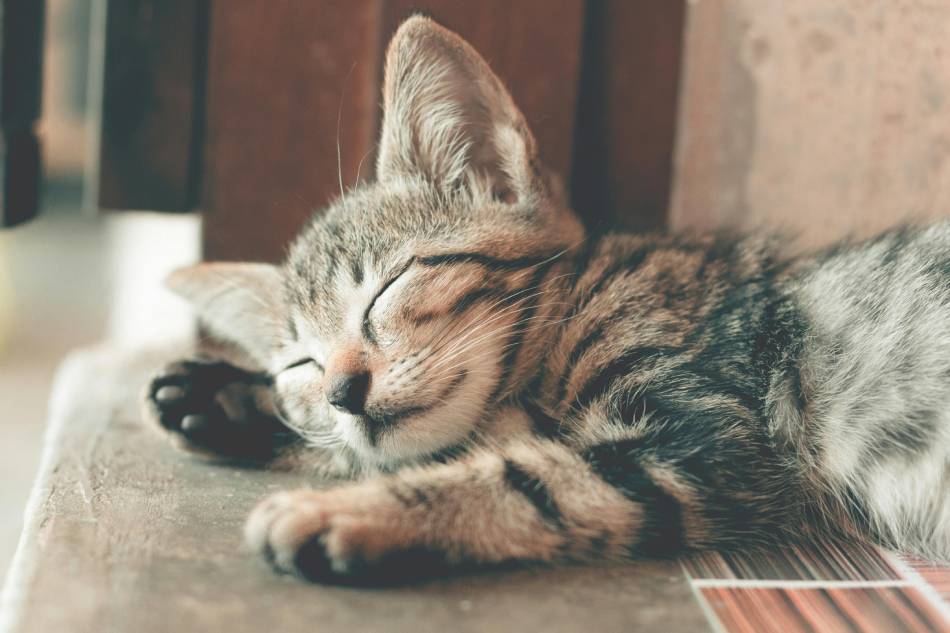
Many general superstitions common across South Asia are also found in Kashmir. For example, avoiding cutting nails or sweeping the floor after sunset, considering a broken mirror as bringing bad luck, or attributing certain physical sensations, like itchy palms or eye twitching, to future events. Superstitious beliefs are even attached to the normal process of sneezing or encountering a black cat. Cats apart, if something bad happens during the day, it is attributed to the person seen first while leaving home. These beliefs often stem from deeply ingrained cultural norms, a lack of awareness about scientific explanations, and limited access to qualified medical and mental-health resources in some areas.
The level of scientific temper is no different in other parts of the country. It is astonishing to find that many scientists and researchers have similar superstitious beliefs as ordinary illiterate citizens. We believe more in astrology than in astronomy. It would be understandable when a politician makes statements like ancient Indians having known plastic surgery or flying jumbo jets across continents thousands of years before the Harappan culture, but the scientific community responding with mute silence proves that scientific temper is a far cry, even for our scientists, not to speak of a common man.
In the enclosed video, the speaker has nicely explained the concept by highlighting the lack of scientific temper in our society, starting from science teachers and qualified politicians to even High Court judges. There is undoubtedly a need to work towards creating a society that is rational and has an all-round scientific temper. It has to begin with the educated sections of society, as an educated fool is undoubtedly worse than an uneducated fool. Above all, inculcating scientific temper and rational thinking in young minds is the key.
(Author is a retired IAS officer who was Chairman of Jammu and Kashmir Public Service Commission. Ideas are personal.)