by Munazah Fayaz
Kashmir’s unprecedented heat wave signals accelerating climate change, threatening water resources, agriculture, tourism, biodiversity, public health, and the Valley’s future
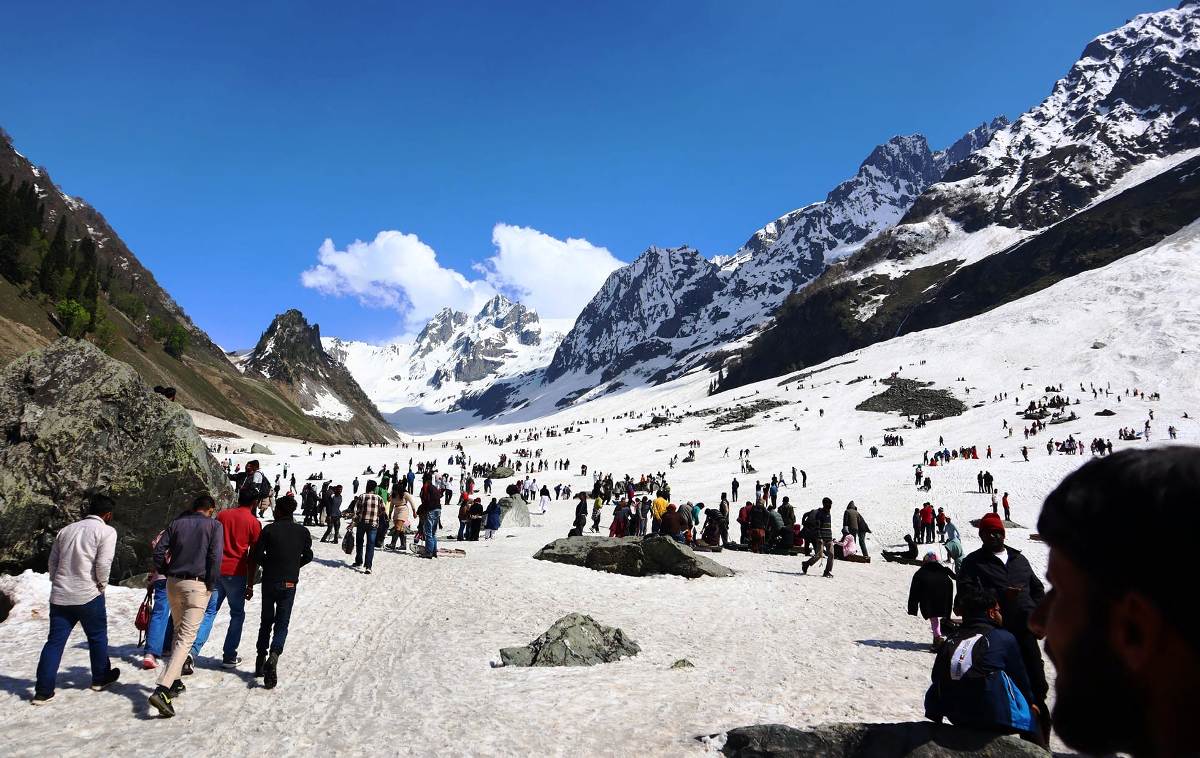
Kashmir has always been known as “Paradise on Earth.” Our snow-covered mountains, crystal-clear rivers, green meadows, beautiful Chinar trees, and pleasant weather have made the Valley one of the most loved places in the world. Every year, thousands of tourists visit Kashmir to escape the scorching heat of the plains and enjoy its cool climate. For generations, Kashmiris have taken pride in their unique weather, where even the summers remain comfortable. However, this year has been different. The intense heat wave that has gripped the Valley has left everyone surprised and worried. It is not just another hot summer. It is a warning that climate change is becoming a reality for Kashmir.
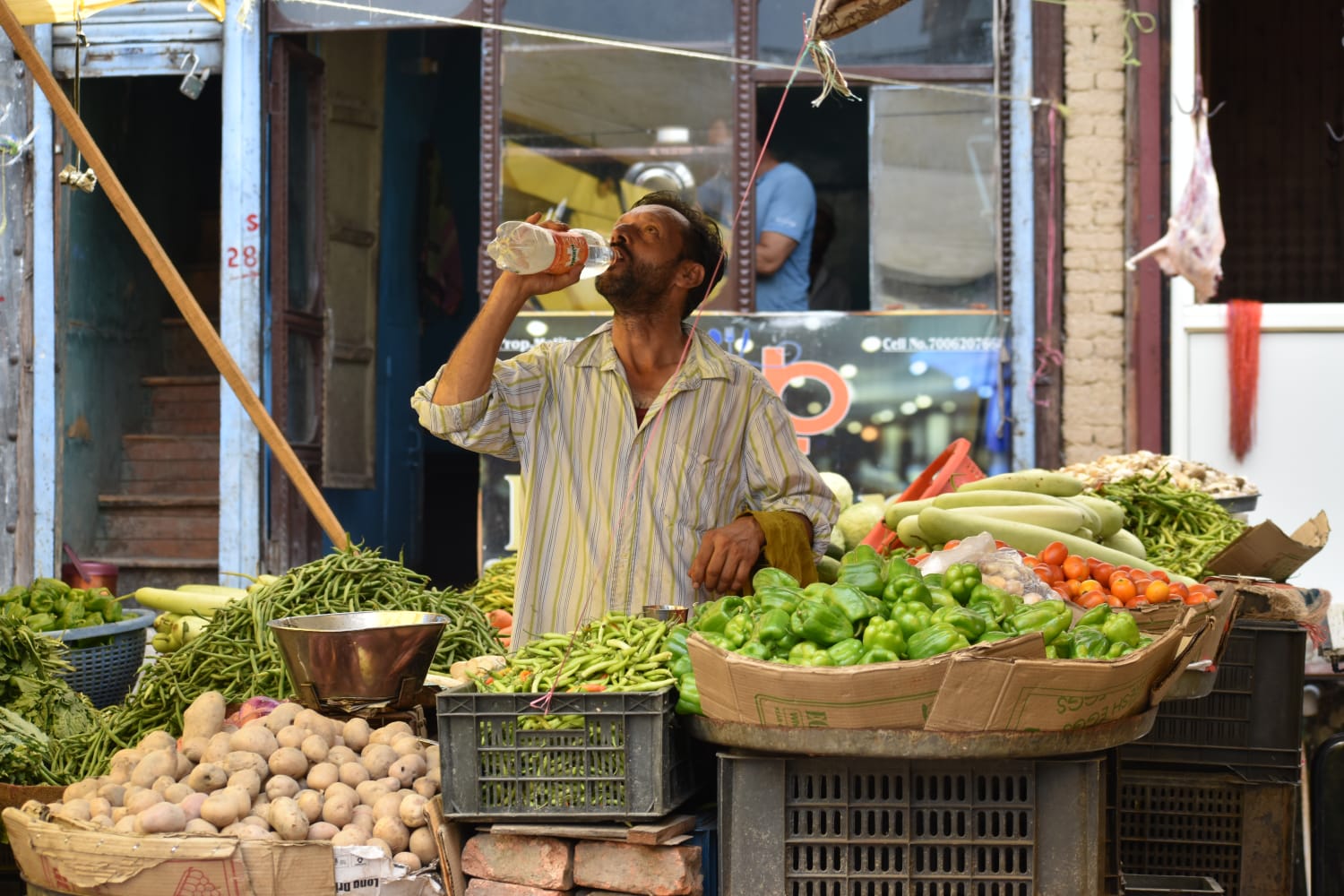
As a Kashmiri, I have always believed that summers here are a blessing. We never depended much on fans or coolers because the weather remained comfortable even during the hottest months. Today, the situation has changed. People are staying indoors to escape the heat, water sources are drying up, and daily life has become difficult. This is not just another hot summer, it is a warning that we cannot ignore. Earlier, fans were enough to keep our homes comfortable, and many families never even felt the need for air conditioners. But today, people are struggling to cope with the heat. Schools, workplaces, and markets are affected as people try to avoid going out during the hottest hours of the day. The changing weather has become a common topic of discussion in every household.
The rising temperature is not only making life uncomfortable but is also affecting our environment. Water levels in many streams and springs have started to decline. Our glaciers, which are the lifeline of Kashmir’s rivers, continue to melt at an alarming rate. If this trend continues, it will create serious water shortages in the future. The Valley’s rich biodiversity is also under threat as plants and animals struggle to adapt to changing climatic conditions. Agriculture and horticulture, which are the backbone of Kashmir’s economy, are equally vulnerable. Farmers depend on favourable weather for growing crops, while apple orchards require suitable temperatures to produce high-quality fruit. Prolonged heat can damage crops, reduce fruit quality, and increase the risk of pests and diseases. Thousands of families who depend on farming and horticulture may suffer financial losses if these climate changes continue.
The health of people is another major concern. Heat waves increase the risk of dehydration, heat exhaustion, heatstroke, and other illnesses. Children, elderly people, pregnant women, and those who work outdoors are the most affected. Hospitals often witness an increase in patients suffering from heat-related problems during such extreme weather conditions. Staying hydrated, avoiding direct sunlight during peak hours, and taking proper precautions have become necessary even in a place where such advice was rarely needed in the past.
The question that naturally comes to mind is: Why is this happening? The answer lies in climate change. Scientists around the world have repeatedly warned that rising greenhouse gas emissions, deforestation, pollution, and uncontrolled urbanisation are increasing the Earth’s average temperature. These changes are leading to more frequent and intense heat waves, irregular rainfall, melting glaciers, and extreme weather events. Kashmir, despite its mountainous location, is no longer protected from these global environmental changes.
Climate inaction has made the situation even worse. For years, environmental experts have been asking governments, industries, and societies to reduce pollution, protect forests, conserve water resources, and promote sustainable development. Unfortunately, these warnings have often been ignored. Wetlands have been encroached upon, forests have been cut down, and rapid urban expansion has disturbed the natural balance of the Valley. Nature is now responding to years of neglect. Tourism, one of Kashmir’s most important sources of income, also faces uncertainty. Tourists have always visited Kashmir to experience its pleasant weather and natural beauty. If summers continue to become hotter every year, the Valley may gradually lose one of its biggest attractions. This would not only affect tourism but also thousands of families whose livelihoods depend directly or indirectly on this sector.
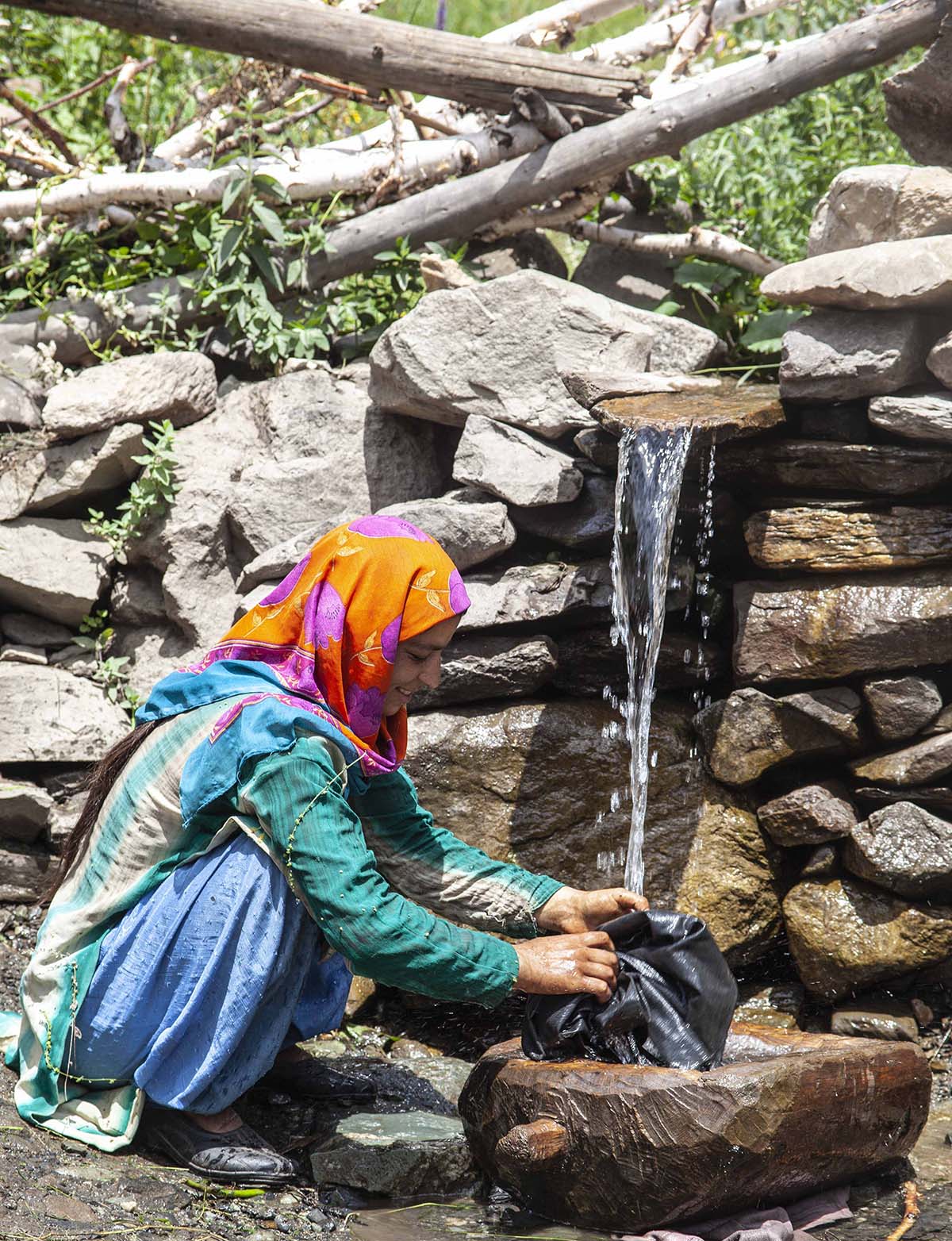
However, blaming governments alone is not enough. Every citizen has a responsibility towards protecting the environment. Small actions such as planting trees, reducing plastic use, conserving water, saving electricity, using public transport whenever possible, and keeping our surroundings clean can collectively make a significant difference. Educational institutions should encourage environmental awareness among students so that future generations understand the importance of protecting nature.
At the same time, stronger policy decisions are essential. Authorities must protect forests, restore wetlands, improve water conservation systems, promote renewable energy, and ensure that development takes place without harming the environment. Climate change should not be viewed as a distant problem but as an urgent issue that requires immediate action at every level.
Kashmir has always been more than just a tourist destination. It is a priceless natural heritage that has inspired poets, travellers, and generations of people with its unmatched beauty. Preserving this paradise is not only an environmental responsibility but also a moral duty towards our children and future generations.

The recent heat wave should serve as a wake-up call for all of us. Climate change is no longer a prediction for the future, it is happening here and now. Every unusually hot day reminds us that nature is urging us to change our ways before it is too late.
Paradise is standing on the edge. The choices we make today will determine whether future generations inherit the cool, green, and beautiful Kashmir that we proudly call “Paradise on Earth” or a Valley permanently altered by the cost of climate inaction. The time to act is now, before today’s warning becomes tomorrow’s irreversible reality.
As we reflect on the changing face of our beloved Valley, let this be our collective resolve: “The heat wave will pass, but the choices we make today will decide whether future generations inherit a thriving paradise or only the memory of one.”
(The author is studying Zoology at Central University of Kashmir. Ideas are personal.)