by Dr Fayaz Shawl
Prediabetes signals heightened metabolic and cardiovascular risk for millions across Asia, representing a critical window where timely dietary vigilance, physical activity, and medical monitoring can effectively halt progression to diabetes.
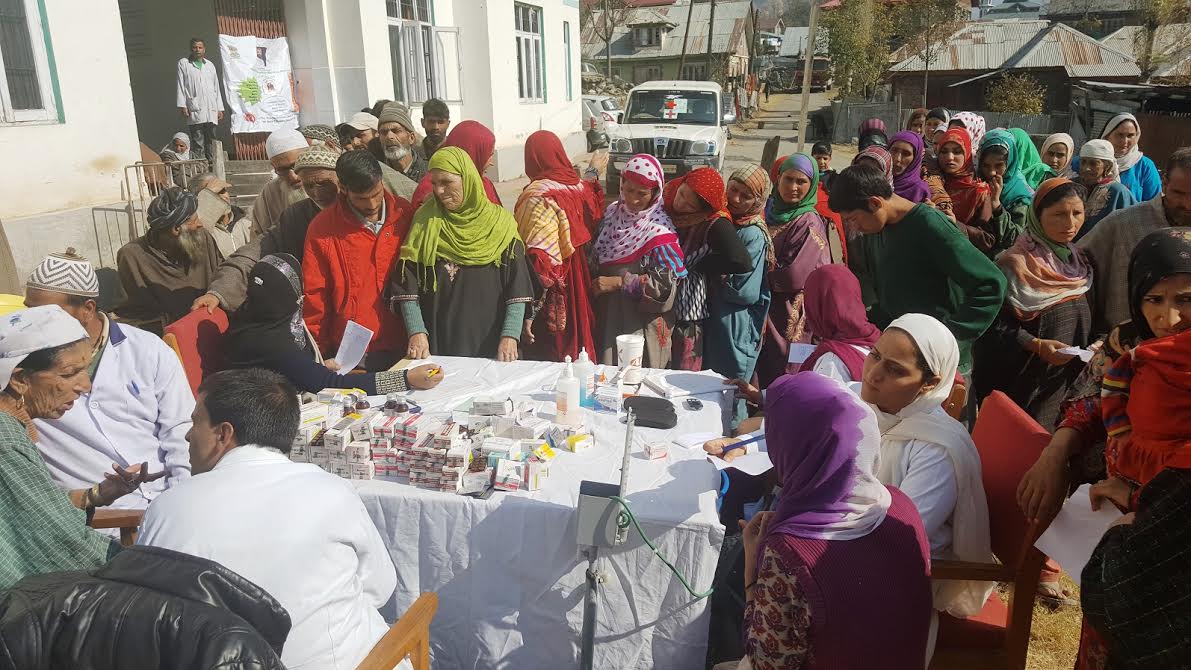
The population at risk of diabetes is even larger than the number already diagnosed. The ICMR-INDIAB study estimated that approximately 136 million people in India had prediabetes in 2021, more than the estimated 101 million who already had diabetes. Across Asia, millions of people are living in this intermediate stage, often without symptoms and frequently without knowing that their glucose is abnormal.
Using HbA1c, prediabetes generally means a laboratory value from 5.7 to 6.4 per cent. A value of 5.7 per cent is the lower boundary, not a medical emergency, while 6.5 per cent or higher may meet a diagnostic criterion for diabetes when confirmed. In a person without symptoms, an abnormal result should generally be confirmed with a repeat HbA1c or another laboratory glucose test. Anæmia, kidney disease, and some hæmoglobin variants can affect HbA1c accuracy. Prediabetes should not be described as harmless, but neither is progression to diabetes inevitable. It is a warning and, more importantly, an opportunity for prevention.
The International Diabetes Federation estimated that in 2024 approximately 635 million adults worldwide had impaired glucose tolerance and 488 million had impaired fasting glucose. These categories overlap, and they are not identical to HbA1c-defined prediabetes, so the two figures must not be added together. They nevertheless show the enormous global pool of people at increased risk of type 2 diabetes.
This is precisely the population that requires clear education. People with an HbA1c between 5.7 and 6.4 per cent may feel completely well while insulin resistance is progressing. Timely education about culturally familiar food choices, sensible carbohydrate portions, regular activity, weight management when needed, and appropriate medical follow-up can help many of them delay or prevent type 2 diabetes.

During more than four decades as an interventional cardiologist, I have seen the consequences of diabetes in the arteries of the heart, brain, kidneys, and legs. Prediabetes deserves attention because it identifies people at increased risk of type 2 diabetes and cardiovascular disease. It is also a stage at which prevention can be highly effective. Current medical care does not recommend waiting passively for diabetes to develop. It recommends weight management when needed, healthier food choices, regular physical activity, and periodic testing. Metformin may also be considered for selected people at particularly high risk.
Prediabetes can return to the normal glucose range, and progression to type 2 diabetes can often be delayed or prevented. The word cure is misleading because insulin resistance and future risk may remain. The landmark Diabetes Prevention Program found that an intensive lifestyle program reduced the development of type 2 diabetes by 58 per cent over approximately three years. Participants aimed for 7 per cent weight loss and at least 150 minutes of physical activity each week.
Prediabetes is a common precursor to type 2 diabetes, although progression is not inevitable. Early action offers a real opportunity to interrupt that progression. In clinical experience, many patients who closely followed structured dietary recommendations and regular exercise saw their HbA1c return to the normal range, below 5.7 per cent, within approximately six to nine months. This should be confirmed by repeat laboratory testing and does not mean that future diabetes risk has disappeared.

A few close friends had an HbA1c of 5.7 per cent. With their permission, I reviewed their continuous glucose monitor patterns. After reducing cereal portions and combining carbohydrates with nuts, berries, and unsweetened Greek yoghurt, they saw smaller peaks after breakfast and average glucose levels near 100 mg/dL. At a Kashmiri breakfast, the same principle means a smaller piece of bread taken with walnuts, an egg, or plain zamutdud. These observations are encouraging, but they are not a controlled trial and cannot predict every person’s result. A single continuous glucose monitor value cannot diagnose or exclude prediabetes. Follow-up should include repeat laboratory HbA1c and assessment of weight, waist circumference, blood pressure, lipids, and overall cardiovascular risk.
A structured prevention plan for Kashmir begins with establishing the baseline. Check laboratory HbA1c or fasting glucose and confirm an abnormal result when appropriate. Measure blood pressure, weight, waist circumference, and lipids. Earlier testing is reasonable for South Asian adults with abdominal obesity, a family history, previous diabetes in pregnancy, fatty liver, high blood pressure, or abnormal lipids.
Portions must change before traditional food is abandoned. Traditional Kashmiri food can remain part of a healthy plan. Use haakh and other non-starchy vegetables generously, whilst keeping rice, roti, and bakery products to small, measured portions. Reduce sheermal, sweetened tea, biscuits, desserts, and sugar-sweetened drinks. Wazwan dishes such as rista and gushtaba should be eaten in moderate portions because they may contain substantial saturated fat and salt.
Food order serves as an additional tool. Start with vegetables, alone or mixed with a modest serving of plain unsweetened Kashmiri curd, follow with protein or dal, and take rice or bread last. This may blunt the post-meal rise, but it does not make an unlimited carbohydrate portion safe.
Snacks should replace refined carbohydrates. A measured portion of unsalted walnuts or almonds can replace bakery products at tea time, and unsweetened dahi or yoghurt can also be useful. Noon chai contains little carbohydrate when unsweetened, but its salt content matters for people with high blood pressure or heart failure. Evidence does not support relying on cinnamon or green tea as diabetes treatment.
Movement after meals and throughout the week is essential. Walk for 10 to 15 minutes after meals when safe. Aim for at least 150 minutes of moderate activity each week and include muscle-strengthening exercise two or three times weekly. People with heart symptoms, severe neuropathy, foot ulcers, or major mobility limitations should seek individual exercise advice.
Addressing the major drivers of risk requires ongoing commitment. If excess weight or abdominal fat is present, even modest weight loss can improve insulin sensitivity. Preserve muscle with adequate protein and strength exercise. Sleep regularly, avoid tobacco, and treat high blood pressure and abnormal cholesterol. Repeat laboratory testing regularly by rechecking HbA1c about three months after a major lifestyle change. People with confirmed prediabetes should usually be tested at least yearly, with the interval set by their doctor.
Prediabetes is neither a reason for panic nor a reason for inaction. It is an opportunity to intervene early. Sustainable food choices, weight management when needed, regular activity, and appropriate medical follow-up can substantially reduce risk. Medication is sometimes appropriate and should never be seen as a failure. The goal is lasting metabolic and cardiovascular health, not a perfect single sensor reading.
This is the third and last part of the series. Read the first and second parts.
(The author is a renowned interventional cardiologist and heads the United States-based Fayaz Shawl Philanthropic Foundation. Ideas are personal.)