by Haniya Iqbal
A harrowing railway journey reveals the stark, hazardous gap between premium promises and reality, exposing critical infrastructure failures and severe medical neglect within public healthcare.
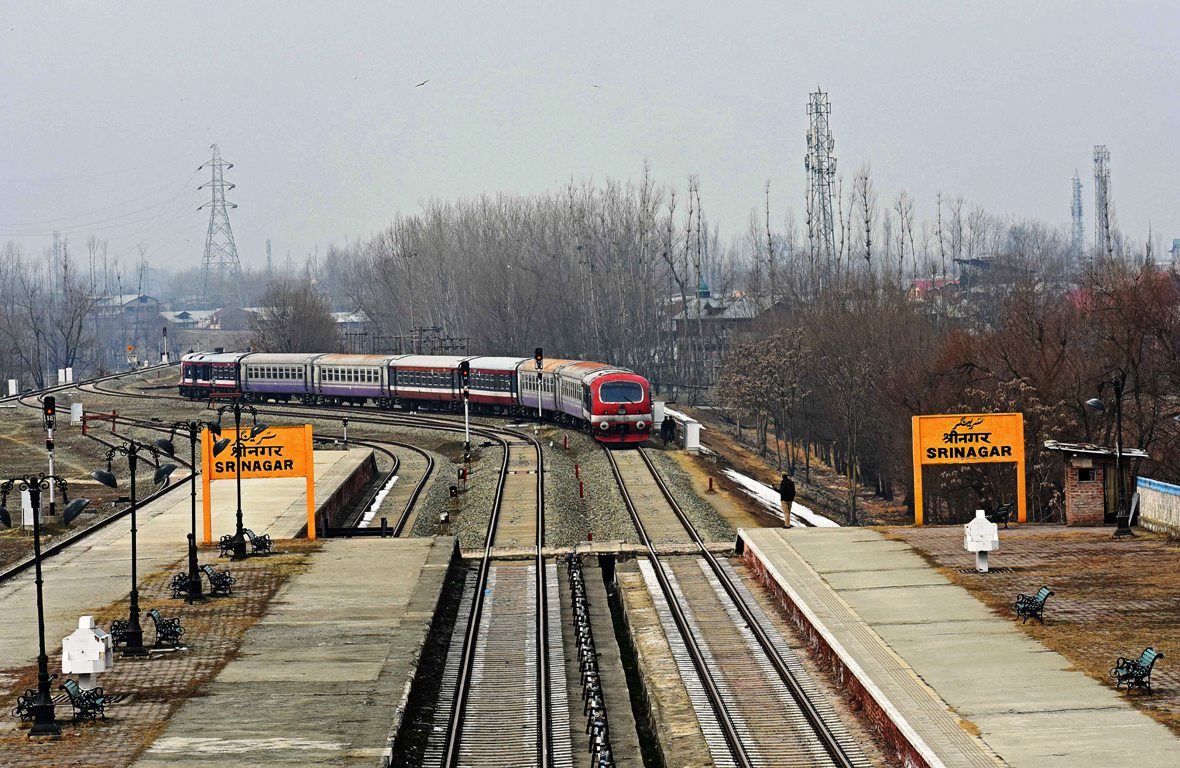
I boarded the train in Mumbai in February 2025, bound for Kashmir. The three-day journey was supposed to be a return to the mountains I call home. Instead, it became a lesson in how far the promise of “first class” can fall from reality, and how quickly one lapse in public infrastructure can unravel a young life.
The contrast hit me the moment I stepped into our compartment. Four wide seats, a large window, even a small staircase to an upper berth. It felt luxurious after the chaos of the platform, where hundreds of passengers scrambled for any space they could find. My youngest brother tugged me down the corridor to see the sleeper class.
What I saw there was shocking. Narrow, filthy berths crammed with four, five, sometimes seven people. Broken windows let in freezing wind. Mothers bundled infants in heavy jackets against the draft. No air-conditioning, no ventilation. People sat on the floor because seats had long since been claimed by groups far larger than the design allowed. The gap between “first class” and “sleeper” was real, but even our supposedly premium cabin was not what we had paid for.
That night, a bug crawled out from under my pillow. I screamed. My mother removed it, but the damage was done. The next morning I woke dizzy and nauseous. I told myself it was motion sickness. By the time we reached Ambala, I had already begun to suspect otherwise. I watched railway staff “clean” the train for the return journey. They did not scrub seats. They simply flipped stained pillows and repacked them. When I asked why they were pretending, one worker shrugged: “Thousands travel every day. We cannot make everything fresh.”
I returned home to Srinagar. Fifteen days later, my temperature hit 102 °C. Then 103 °C. Then higher. Anything I ate came straight back up. Blood tests showed a liver infection. An ultrasound revealed swollen lymph nodes. The fever climbed to 104 °C, then 105 °C. My body shook with chills. My father carried me up stairs when I could no longer walk. We drove through fresh snowfall to a gynaecologist who was unavailable, then to a medical-student cousin who correctly insisted we head to the city hospital. By the time we reached SMHS Hospital in Srinagar, I had lost seven kilograms. The admitting doctor took one look at my pale, exhausted face and wrote “SOS” on my file. The diagnosis came quickly: typhoid.
The infection had almost certainly come from the train. Doctors confirmed it. The “sanitised” first-class coach had been anything but. Yet typhoid was only the beginning. What followed was a crash course in the everyday failures of India’s public health system — especially in Kashmir.
At the district hospital where we first sought emergency care at 1 am, there was not a single working wheelchair. My father carried me from the car park, an open, unroofed patch of mud and snow, into the building. The emergency ward smelled of stale air and unwashed floors. Thirty beds, often two patients each, no exhaust fans, no proper ventilation. A corner of the room held piles of dirt that looked untouched for months. When another girl arrived in agony with severe stomach pain, staff asked me to shift over so she could share the only available space on my bed. I was fourteen. She was in tears. I felt more likely to catch something new than to be cured.
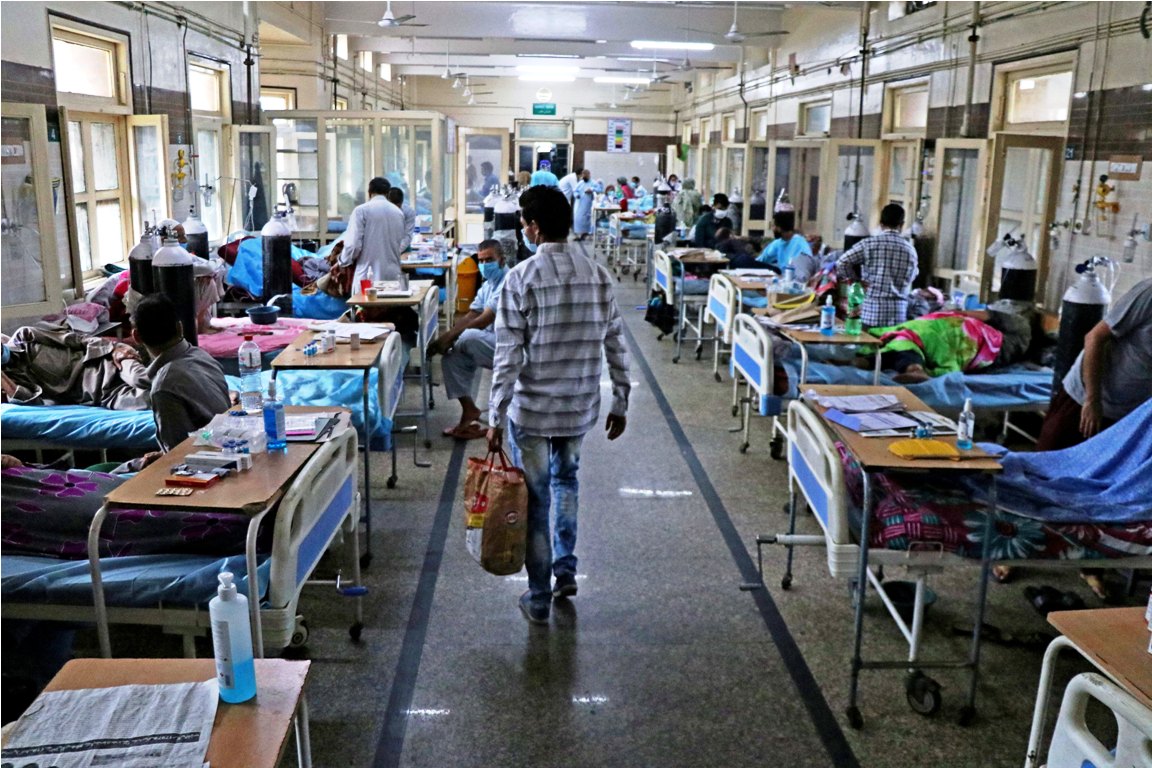
Later, at the city hospital, conditions were better but still strained. I spent twelve days on a ward. I watched an elderly man die in the bed opposite mine; his family’s raw grief filled the room while life around him continued almost unchanged. I saw young children running between beds, their parents too exhausted to stop them. I heard doctors admit, quietly, that floors were mopped and equipment polished only when an inspection team was expected. The rest of the time, corners were simply ignored.
My parents slept on the floor or in the corridor. My father spent nights outside in the cold because there were no beds for attendants. When inspection day arrived, staff rushed through the ward changing only the visible top sheets, the same stained ones we had been using. A cleaning woman kissed my forehead in affection; I immediately washed it off, aware of how easily infection spreads in such places. My cousins, both medical students, visited when they could, bringing food and distraction during Ramadan. Their presence was the one steady comfort.
None of this was dramatic exception. It was the system operating as usual. Railways advertise “freshly sanitised coaches.” Hospitals promise emergency care. In practice, both struggle under the weight of sheer numbers, underfunding, and indifference. In Kashmir, the challenges are sharper: harsh winters, fewer specialists, long distances over slippery roads, and a population already stretched by geography and history. A single gynaecologist for an entire town. No lift in a clinic that requires patients to climb stairs. Broken wheelchairs in the emergency ward. These are not isolated lapses; they are patterns.
I was lucky. My family could keep pushing, driving through snow, calling cousins, insisting on better care. Many cannot. I left the hospital after twelve days, weak but alive. The doctor who signed my discharge papers joked that I should stay healthy or he would “hang out in the sun.” We both laughed, but the joke carried the weight of how close things had come.
India’s railways move millions every day. Its public hospitals treat millions more. Yet the gap between official claims and ground reality remains vast. Passengers in first class still sleep on reused, unclean bedding. Emergency wards still force families to share beds and floors. Young patients still contract preventable infections because basic hygiene is treated as optional.

I no longer see the train or the hospital as neutral backdrops to a journey. They are mirrors. They show us what we have decided is acceptable for ordinary citizens, especially in places like Kashmir, where the mountains are beautiful but the systems meant to serve people too often are failing many people. The bug under the pillow, the stained sheets, the missing wheelchair, the man who died opposite me, none of these were accidents. They were symptoms of a deeper neglect.
Reform will not come from one passenger’s story. It will come only when passengers, patients, and citizens refuse to accept the lie that “this is how it has always been.” I was fourteen when the train left Mumbai. I came home knowing that comfort in first class is an illusion if the system beneath it is failing many people. And that a country’s greatness is measured not by the luxury it promises, but by the dignity it delivers to every passenger and every patient who trusts it with their life.
(The author is a Grade 11 student who writes on public policy, healthcare, governance, and international affairs. Ideas are personal.)