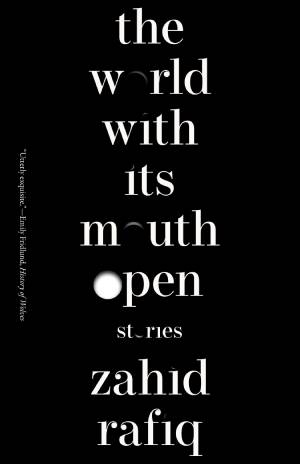
Zahid Rafiq’s debut The World With Its Mouth Open is a collection of powerful Kashmir stories told diligently, writes Muhammad Nadeem after going through the Tin House publication
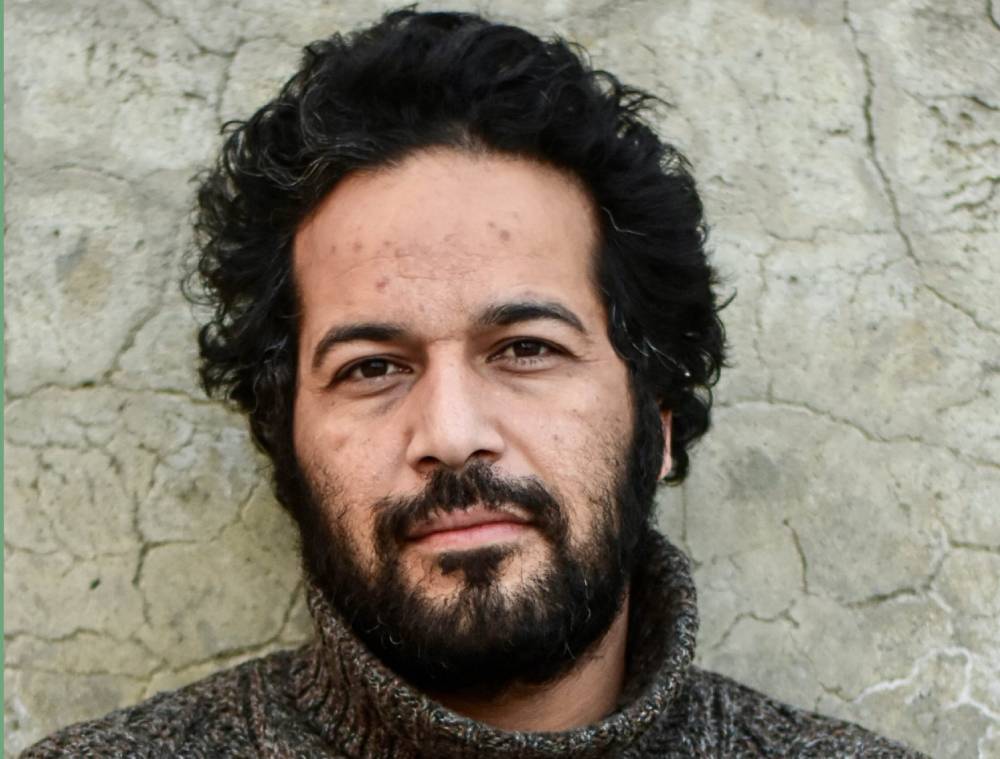
Zahid Rafiq’s The World With Its Mouth Open is an extraordinary collection of stories that offers an intimate portrayal of life in Kashmir. An accomplished journalist and storyteller, the book brings a unique voice to the literary landscape, one steeped in the haunting realities of a region in turmoil but also suffused with the vibrancy of human resilience. The collection traverses love, loss, and survival themes against an uncertain socio-political milieu.
The stories weave together the personal and political, encapsulating the universal truths of human existence while remaining firmly rooted in the specificity of the Kashmir experience. Each narrative is an intricate tapestry of memory, hope, despair, and opposition, rendered in lyrical and precise prose. The stories are steeped in realism and allegory, characterised by vivid prose and an unflinching gaze at the human condition.
The Complexities of Life
Set against the breathtaking yet brutal backdrop of Kashmir, the book reflects the region’s culture and politics through layered narratives that are as personal as they are universal. Zahid’s storytelling stands out for its evocative and immersive style. Each narrative is a mosaic of rich imagery, evocative symbolism, and subtle yet profound emotional undercurrents. His language, while straightforward, is imbued with lyrical flourishes that capture the stark contrasts of beauty and despair inherent to the Kashmiri experience.
The structure of the stories varies, from linear narratives to fragmented and elliptical forms that mirror the disjointed reality of life in a fractured region. Zahid excels at crafting complex, multifaceted characters. They are not mere victims of circumstance but individuals with their agency, desires, and contradictions.
Despite the harrowing circumstances, his characters embody an enduring humanity. They find moments of humour, beauty, and solidarity even in the direst situations. This balance makes the narratives relatable and emotionally resonant, elevating them beyond mere chronicles of suffering.
Across the stories, the author delves into interconnected themes that mirror the complex realities of life. Through incisive social commentary, Zahid sheds light on the failures of political systems, the persistence of inequality, and the unwavering spirit of the Kashmiri people.
The Human Cost
Loss and grief pervade many of the stories, capturing the pain of personal and collective suffering. Zahid portrays these experiences with unvarnished honesty, whether through the death of loved ones, the disappearance of hope, or the slow erosion of cultural identity. The emotional depth he conveys allows readers to viscerally experience the weight of these losses, making them feel both intimate and universal.
The omnipresence of violence and injustice is another recurring motif in the collection. Zahid highlights the physical and psychological toll of life in a militarised region. A profound sense of longing and memory runs through the stories, as characters grapple with the loss of homes, loved ones, and peace. Zahid’s exploration of nostalgia is both poignant and complex, offering moments of solace while underscoring the irreparability of what has been lost. This bittersweet reflection adds an emotional depth that resonates long after the stories are read.
Despite the despair, Zahid asserts the resilience of individuals and communities. His characters often find strength in their shared humanity, demonstrating that even amidst the turmoil, the opposition can flourish. This duality of suffering and resilience underscores the indomitable spirit of the Kashmiri people, who persist in reclaiming dignity and hope against overwhelming odds.
Through allegory and realism, Zahid underscores the failures of institutions meant to safeguard justice and human dignity. Yet, his stories are not devoid of hope; they envision a future shaped by empathy and opposition.
Lyricism and Realism
Zahid’s prose masterfully combines lyricism with grounded realism, creating narratives that are as visually evocative as they are emotionally resonant. His writing adeptly balances rich imagery and incisive observations, offering a vivid portrayal of the nuances of life. This blend of descriptive depth and emotional precision positions the collection as a vital work within contemporary literature.
The writing is marked by its economy and evocative quality. He competently uses imagery to bring scenes to life, whether it is the bustling, chaotic streets of Srinagar, the silence of a character’s desolate home, or the ominous flight of crows over a village. His prose is enriched by recurring symbols such as rivers and bridges, which he employs as metaphors to explore themes of connection, division, and transformation. This careful attention to detail enhances the immersive quality of his storytelling.
The tone throughout the collection is dynamic, oscillating between solemn introspection and moments of humour and irony. Zahid strikes a careful balance, ensuring the stories remain deeply moving without becoming overwhelming. This tonal variation underscores the complexity of the issues at hand, providing a nuanced exploration of life in Kashmir.
The World With Its Mouth Open’s ability to bridge local narratives with global relevance invites readers from diverse backgrounds to engage deeply with the Kashmiri experience, ensuring the book’s resonance beyond its immediate cultural context.
The Stories
The opening story, The Bridge, introduces Nusrat, a young woman grappling with the physical and emotional toll of repeated miscarriages. The narrative unfolds through her visit to a local hakeem (traditional healer), where the setting—a crowded clinic overlooking a bridge—becomes a powerful metaphor for transition and uncertainty. Nusrat’s encounter with Rajaji, a figure from her past, adds layers of nostalgia and unease, as their conversation traverses memories and unspoken regrets.
The bridge itself serves as a poignant symbol of connection and separation, mirroring Nusrat’s inner turmoil. Zahid’s prose shines in his depiction of mundane details, such as the smell of fish in the market or the sensation of walking on slippery stones, grounding the story in a sensory reality that contrasts with its thematic abstractions. This juxtaposition between the tangible and the emotional sets the tone for the collection.
In Crows, Zahid shifts to the perspective of a young boy attending a brutal private tuition class. The teacher, a figure of authority and violence, becomes a stand-in for the larger oppressive systems at play in Kashmir. The boy’s fantasies of escaping his grim reality—whether through football games or imaginary flights with crows—underscore his resilience and creativity.
The story’s most powerful moments lie in its depiction of the teacher’s cruelty juxtaposed with fleeting moments of tenderness, such as the teacher’s interactions with his baby niece. The titular crows, ever-present in the background, symbolise both foreboding and freedom, embodying the duality of life in Kashmir.
In Small Boxes offers a quieter, more introspective narrative, centring on a young journalist who frequents Mr Hussain’s papier-mâché shop. The journalist’s fascination with the objects in the store, particularly a small box adorned with a red poppy, becomes a meditation on beauty, mortality, and the desire for permanence.
Mr Hussain, a character steeped in elegance and melancholy, embodies the contradictions of a region where art flourishes amidst decay. His comment about wanting to “hide oneself in these boxes” encapsulates the longing for escape and the futility of such desires. The story’s ending, marked by an ominous sense of impending loss, reflects the fragility of life and art in the troubled valley.
Social and Political Discourse
The World With Its Mouth Open serves as a profound exploration of life in a region shaped by perpetual unrest, urging readers to engage with the pressing realities of those living under oppression. The stories amplify the voices of the disenfranchised, compelling audiences to consider the human cost of systemic violence and neglect.
By presenting deeply humanised portraits of those affected, Zahid dismantles stereotypes and sheds light on the lives often obscured by political rhetoric. His critique of militarisation and rigid societal structures offers a lens through which readers can better understand a dynamic Kashmir.
More than a literary work, the collection stands as a call to action, inviting discourse on justice, reconciliation, and the role of empathy in addressing social inequities. In presenting Kashmir’s challenges within a broader global context, Zahid connects the struggles of the region to universal issues of freedom and dignity. The book’s resonance lies in its ability to provoke thought and inspire action toward a more equitable future.
Tail End
The dedication page of the book is a striking and deliberate enigma, bearing only the word “for,” followed by a silence that invites interpretation. This absence is as telling as the stories within the book—it mirrors the voids and losses that permeate the lives of Zahid’s characters. This emptiness reflects the unnamed griefs, sacrifices, and memories that defy articulation. This minimalist gesture transforms the dedication into a poignant space for reflection, allowing readers to fill it with their meanings, emotions, or even the recognition of what remains unsaid in their lives. It becomes a powerful extension of the book’s themes of absence and longing.
The World With Its Mouth Open is a powerful and evocative collection that transcends geographical and cultural boundaries. Through his compelling narratives, Zahid shines a light on the profound struggles and enduring resilience of those living amidst the land of perpetual discord. His ability to intertwine the personal with the political results in stories that are as intimate as they are universally relevant.
This collection is an essential read for those who wish to delve into the complexities of life in Kashmir while appreciating the indomitable human spirit. With its richly drawn characters, vivid imagery, and thematic depth, the book stands as a testament to the transformative power of storytelling. The book invites readers into a world of pain, hope, and survival.