SRINAGAR: The Kashmir Chamber of Commerce and Industry (KCC&I) has expressed grave concern over the unscheduled and persistent power outages that have gripped the region during an exceptionally harsh winter, with temperatures dipping below freezing. The ongoing power crisis is exacerbated by a reported 600 MW deficit, leading to widespread disruptions and contradicting earlier assurances that the introduction of smart meters would minimise power cuts.
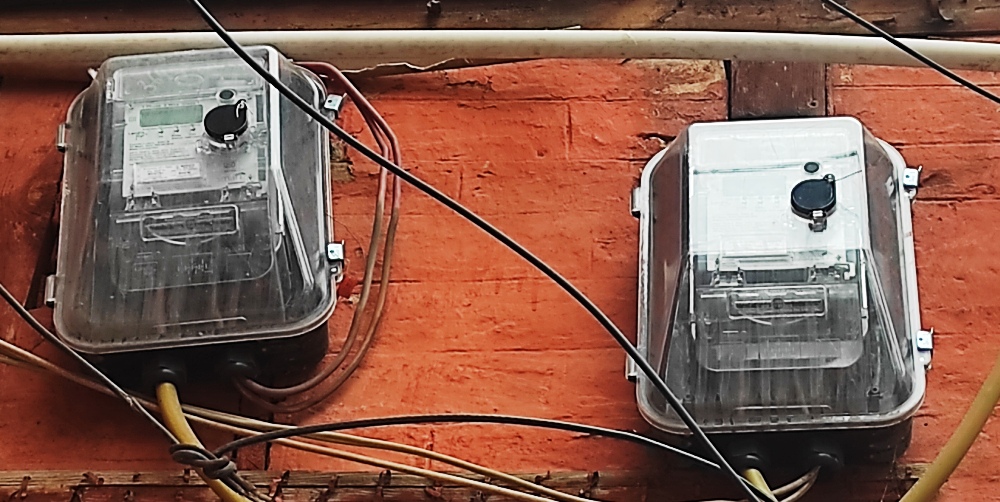
KCC&I has questioned the efficacy of smart metering, pointing out that despite promises made during the summer of reduced outages, residents are now facing prolonged and frequent interruptions to their electricity supply.
According to recent reports, the power demand in Kashmir has risen above 2,000 MW, far exceeding the region’s allocated supply. The Chamber has repeatedly urged the government to procure additional power during the winter months to alleviate the severe hardships faced by the populace.
The power cuts are not only causing inconvenience but also inflicting significant harm on the region’s economy and essential services. The health care sector is particularly affected, with patients requiring oxygen assistance at home facing grave risks. Education is also disrupted, while tourism, a cornerstone of Kashmir’s economy, is suffering as visitors find their experiences marred by unreliable electricity. Local businesses are reporting operational losses, and the industrial sector is grappling with reduced productivity and financial instability due to the unreliable power supply.
KCC&I has highlighted the ongoing power crisis as a reflection of inadequate progress in enhancing Jammu and Kashmir’s hydropower capacity. The Chamber has called for immediate and concrete measures from the authorities, urging sustainable solutions to address the power shortages. It emphasised that such action is vital not only to ensure the well-being of residents but also to safeguard economic activities during the severe winter months.