Auqib Nabi’s IPL breakthrough spotlights Kashmir’s cricketing promise, even as deep governance failures, opaque selections, and prolonged administrative turmoil within Jammu Kashmir Cricket Association continue to stifle grassroots talent, reports Zaid Bin Shabir
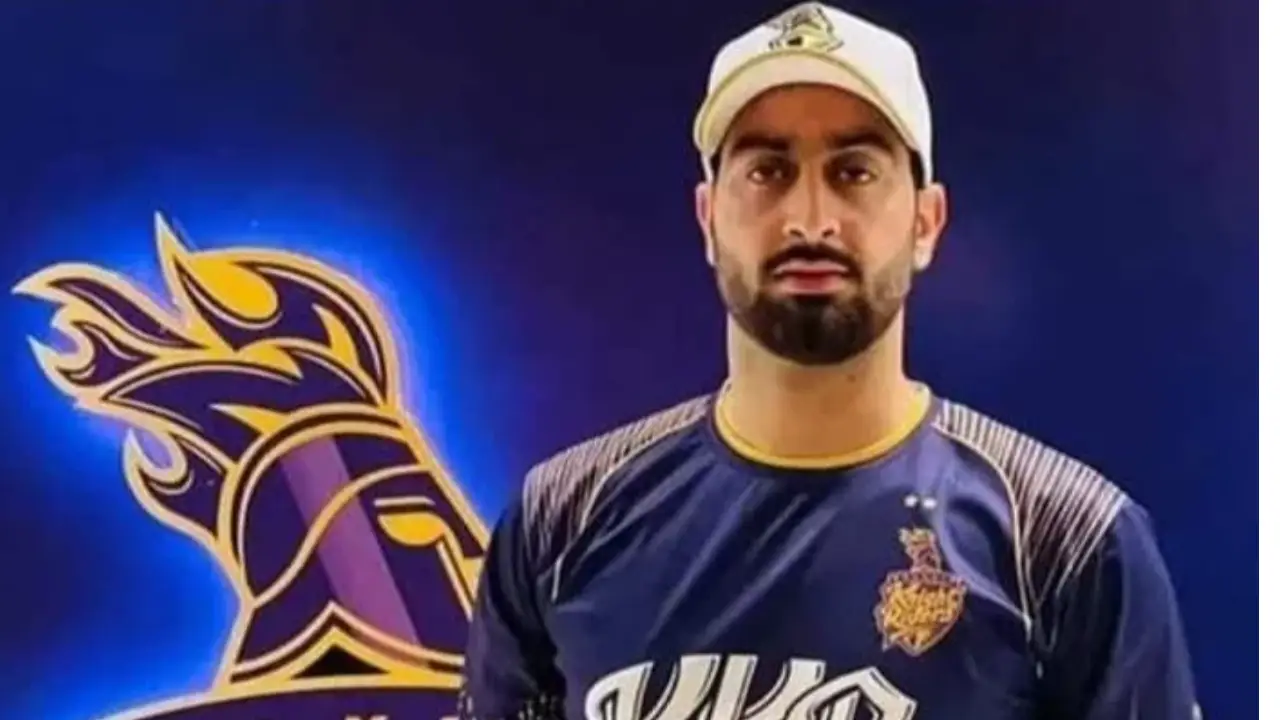
The news spread rapidly through Baramulla’s Sheeri village. Even before Delhi Capitals sealed their Rs 8.40 crore winning bid in Abu Dhabi, neighbours had gathered outside Auqib Nabi’s modest two-storey home, tracking auction updates on their phones and murmuring prayers.
When his name finally flashed on the screen, the cold December air warmed up. Men spilt into the streets, dancing to drumbeats, while women from nearby homes rushed to Nabi’s house with sweets and bursts of folk songs. It felt as though the entire village had won something of its own. For Sheeri, known more for the police training facility, finally seeing one of their own break through at a grand level was enough to give them a new identity.
What elevates the moment beyond cricket is the improbability of Nabi’s journey. Raised in Baramulla, he is the son of a government school English teacher who once envisioned a medical career for him. Cricket was never the plan; it entered his life almost by chance when he accompanied a friend to state trials. He had neither played proper red-ball cricket nor received formal coaching, yet there was an unmistakable quality to his bowling. His action flowed like water over rock, finding its own line with quiet inevitability, shaped by an obsessive imitation of South African great Dale Steyn, and it did not go unnoticed.
“I copied his action entirely,” he told a reporter once. Over the years, he crafted himself into a complete seamer, swinging the ball both ways, learning death-over skills, and finishing the 2024-25 Ranji Trophy with 44 wickets, more than any other Indian seamer. Still, the doors he expected to open never did. “It is very tough when you keep performing well and still get no recognition,” he told ESPNcricinfo.
But in Sheeri, none of those struggles were forgotten. Parents queued to garland his father, Ghulam Nabi, who could not hold back tears as he recalled giving up his dream of seeing his son become a doctor. His mother distributed sweets until her hands were sticky with sugar. Neighbours spoke fondly of a boy who once bowled on uneven grounds, calling him the North Kashmir Express with a pride born of witnessing perseverance turn into triumph.
“When he joined Amar Singh College in 2018 for his BSc, our parents had just one concern: that he complete his degree and secure a stable job to support the family,” recalled Imran Nabi, Auqib’s brother. “Back then, cricket was merely a passion. But during those college years, he was selected for the Under-19 team, and since then, he has only risen.”
The family’s middle-class reality shaped decisions at home. “Our parents had a fixed financial setup,” Imran explained. “Our father worked in the education department all his life. His dream was for all his children to be well-educated, ideally doctors. My two siblings and I are pursuing medicine.”
With limited resources, financial anxieties often surfaced. “Father would sometimes scold Auqib for not focusing on his studies,” Imran recalled. “His concerns came from a genuine place. For a middle-class family, financial stability means everything.”
“But once Auqib was selected for the Under-19 team, father supported him in every possible way,” Imran continued. “He would even borrow money to ensure Auqib could train properly, helping him travel to Gujarat to improve his fitness and game. Not once did he step back from his commitment.”
“Through every high and low, Auqib stood his ground,” Imran said. “Now his IPL dream has come true, yet he dreams even bigger. His ultimate goal is to play for India.”
The Mother Institution
Unlike in Sheeri, the mood across Jammu and Kashmir’s cricketing community is far more complicated. Behind Nabi’s rise lies a system many believe is failing the very talent it is meant to nurture and is now caught in a bind. The Jammu and Kashmir Cricket Association (JKCA) has spent the past decade engulfed in turmoil, from a multi-crore financial scam investigated by the CBI, to court-appointed administrations, to a lingering leadership vacuum that has left players uncertain about their futures.
Various cricket club owners, former association members and players Kashmir Life interacted with suggested the crisis has intensified in the last four years since the BCCI appointed a 3-member committee to look after its affairs. They allege that no club cricket has been played, selection trials are opaque, and clubs complain of being frozen out of decision-making. They warn that despite the region’s natural talent, “the structure is breaking down from within.”
“Disputes were always there in the association but never at the expense of players or cricket,” Sanjay Saraf, president of the Whites Cricket Club (WCC), told Kashmir Life. “If things continue like this, JKCA will soon be known for killing cricket. The BCCI-appointed body has done absolutely nothing for the development of cricket here and is ruining our children’s future.”
A History of Turmoil
Founded as a registered society in 1957, the JKCA currently oversees cricket across 25 affiliated clubs, 13 in Kashmir and 12 in Jammu. For decades, it functioned as the region’s principal cricketing body, nurturing talent, even if only a handful of players progressed to higher levels of mainstream cricket. That relative stability collapsed in 2012, when the association was engulfed in a multi-crore financial scandal.
During Farooq Abdullah’s tenure as JKCA president, allegations of large-scale misappropriation of funds released by the Board of Control for Cricket in India surfaced, laying bare serious structural and governance failures within the association. The matter has remained under investigation by the Central Bureau of Investigation, with alleged embezzlement running into tens of crores of rupees and involving office bearers from that period, while parallel Enforcement Directorate proceedings led to the provisional attachment of assets in a suspected money-laundering case.

The crisis deepened in 2015 amid overt political intervention. While Abdullah was still JKCA president, during the BJPDP coalition government, the then minister for Youth Services and Sports, Imran Reza Ansari, got himself elected as president of the association. However, the appointment was later stayed by a Jammu court. It was the first serious challenge to Abdullah’s authority since he assumed charge of JKCA in 1980.
In 2016, following recommendations from the Lodha committee appointed by the Supreme Court in 2015 to examine the functioning of BCCI and recommend structural and governance reforms to improve transparency, accountability, and administrative efficiency, ministers and government officials were barred from holding posts in the BCCI or its affiliated units. Despite this, within a day, the JKCA proceeded with its annual election and again elected Ansari, then a serving minister, as president, in open defiance of the apex court’s ruling.
“The political interference that began in 2015, when the ruling government forcibly installed Imran Ansari as the club’s president, marked the start of a prolonged period of instability,” said Motilal Nehru, former vice-president of the BCCI (North Zone) and former general secretary of the JKCA. “Since then, the association has gone astray and has been unable to work effectively for the betterment of the game in the region.”
By 2017, the Jammu and Kashmir High Court intervened, terming Ansari’s tenure an “incurred disqualification”. That year, a division bench appointed former police officer Syed Ashiq Bukhari as interim CEO to manage JKCA’s day-to-day affairs.
In March 2021, the High Court directed the BCCI to assume JKCA’s interim control over the management and administration until a duly elected body takes over.

The following month, at its apex council meeting, the BCCI constituted a committee of Saurav Ganguly, Jay Shah, vice president Rajeev Shukla and honorary treasurer Arun Dhumal to oversee cricketing affairs in Jammu and Kashmir. Too busy, the BCCI could not handle JKCA’s routine affairs. So, in June, it further established a three-member administrative sub-committee headed by BJP leader Brigadier Anil Gupta, along with advocate Sunil Sethi and former India cricketer Mithun Manhas, to run JKCA operations. Out of the frying pan and into the fire. While attempting to rescue the body from the politicians, it was handed over to them.
“Cricket in Jammu and Kashmir has since become a three-man show,” said Owais Shafi, a member of Baramulla Cricket Club, a JKCA affiliate. “Ever since this sub-committee was appointed to run the association’s affairs instead of an elected executive, cricket here has suffered the most. Decisions are taken in isolation, without consultation with clubs, players or district units. Routine tournaments have been stopped, development programmes lie in limbo, and the sub-committee’s actions are only about control rather than cricket.”
Shafi said even members of the panel have quit amid controversies over back-dated orders and changes to club voting rights. “It shows just how deep the administrative confusion runs and how little attention is being paid to nurturing cricket in the region,” he regretted.
BCCI-appointed JKCA administrator, Anil Gupta, asserts that the association would not have been in such a situation if these club owners and office bearers had done their job earlier.
“What have they done when they were office bearers of JKCA? Why has no audit of accounts been done since 2011?” Gupta told Kashmir Life. “Why didn’t JKCA even have a website, and why were funds stopped by BCCI?”
Denying Player Rights
Data details a bleak picture. In the Ranji Trophy, India’s premier first-class tournament, J&K has won 17 matches and lost 19 between the 2017-18 and 2025-26 seasons.
Age-group results were similarly poor. In the Men’s U-19 Vinoo Mankad Trophy during the same period, Jammu and Kashmir registered 14 wins against 24 losses. The U-16 Vijay Merchant Trophy side fared worse, winning only 2 matches while losing 17. At the U-23 One-Day level, the side managed just 10 wins and 22 losses, with an additional set of fixtures showing another 6 wins and 16 defeats. The Men’s U-25 one-day team, competing between 2020-21 and 2022-23, won 18 matches but lost 29.

Women’s cricket reflected the same struggles. In the U-19 category, Jammu and Kashmir lost 13 matches and won only three, while the U-23 T20 side secured just 5 wins against 23 losses between 2018-19 and 2025-26. The senior women’s T20 team, from 2018-19 to 2024-25, won 11 matches and lost 30. A rare exception came in the U-23 women’s one-day fixtures between 2019-20 and 2024-25, which ended in a balanced 9 wins and 9 losses.
Longer format youth competitions told a similar story. In the Col CK Nayudu Trophy (U-25), Jammu and Kashmir won 4 matches and lost 3 between 2021-22 and 2022-23. In the Cooch Behar U-19 Trophy from 2018-19 to 2025-26, the side secured only 5 wins and 20 defeats. In the Syed Mushtaq Ali T20 Trophy, a marquee domestic event, Jammu and Kashmir won 15 matches and lost 24 between 2018 and 2025 (excluding 2019).
Taken together, the numbers illustrate a persistent pattern that across almost every format and age category, Jammu and Kashmir cricket has struggled to remain competitive, despite governance resets and repeated interventions.
Sham Selections
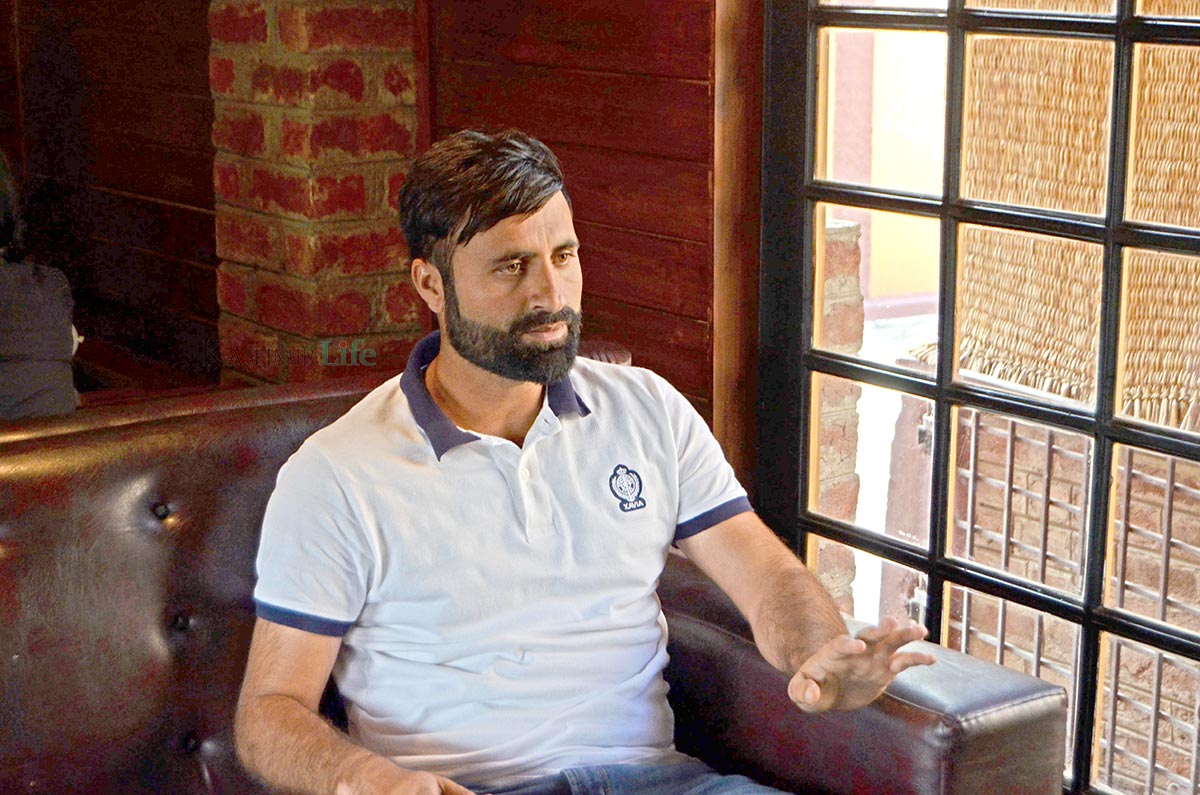
“Till 2010, Jammu and Kashmir’s team would enter tournaments simply to participate…we rarely won,” said Aasif Khan (name changed), a JKCA player who spoke on the condition of anonymity. “When Bishan Singh Bedi was appointed coach, that changed. But since 2021, under the BCCI-appointed sub-committee, we’ve slipped back into the same dark era.”
Khan believes the rot runs deepest in the selection system. “From 2021 till early 2025, senior selection was effectively shut. The same set of favoured players was called for trials,” he alleged. “I excelled in district cricket but wasn’t eligible because the management had already decided on its blue-eyed boys. Doesn’t that crush a player’s dream?”
After nearly four years of shutting out hundreds of aspiring cricketers, the JKCA finally opened senior men’s trials in May, inviting public applications and issuing trial schedules for both Jammu and Kashmir provinces. “If they could hold open trials now, why not in 2021?” Khan asked. “The damage is already done.”

A former Ranji Trophy player echoed the sentiment. “Selection and rejection are part of sport. But access cannot depend on personal networks,” he said. “For four years, players were locked out before they had a chance to compete.”
The consequences are visible. Udhampur pacer Brijesh Sharma, repeatedly overlooked by JKCA, tried his luck as an IPL net bowler and was recently picked by Rajasthan Royals for Rs 30 lakh. “If he had waited for JKCA, he may have lost his career,” said a former teammate.
Mateen Teli, a fast bowler from Sopore’s Arampora, tells a similar story. As a schoolboy, he trained while sneaking out to play cricket. After being told he was on track to represent JKCA at the U-23 level, the opportunity never materialised. “I practised for five years waiting,” he said. “It never came.” Disillusioned, he moved to the United Kingdom, where tape ball cricket led to club-level opportunities, league success, and even bowling at England’s national training sessions.

“It’s a huge accomplishment for someone who is not British,” he said, recalling praise from former England cricketer Paul Collingwood. “The contrast still pains me. In Kashmir, opportunities were blocked. Far away, talent finally found recognition.”
JKCA’s selection paralysis has pushed more players to leave in search of opportunities. Two young cricketers, Usman Pandit and Mohammad Shadad, shifted to the UAE after repeatedly being overlooked. Both have now been picked in developmental squads for the International League T20. Players say their trajectory reflects how talent is left rather than being nurtured at home.
“If JKCA had been fair, a bowler of Rasik Salam’s calibre would not have needed an NOC to represent Baroda,” said Khan. “He was lucky to find opportunities elsewhere. Not everyone is.”
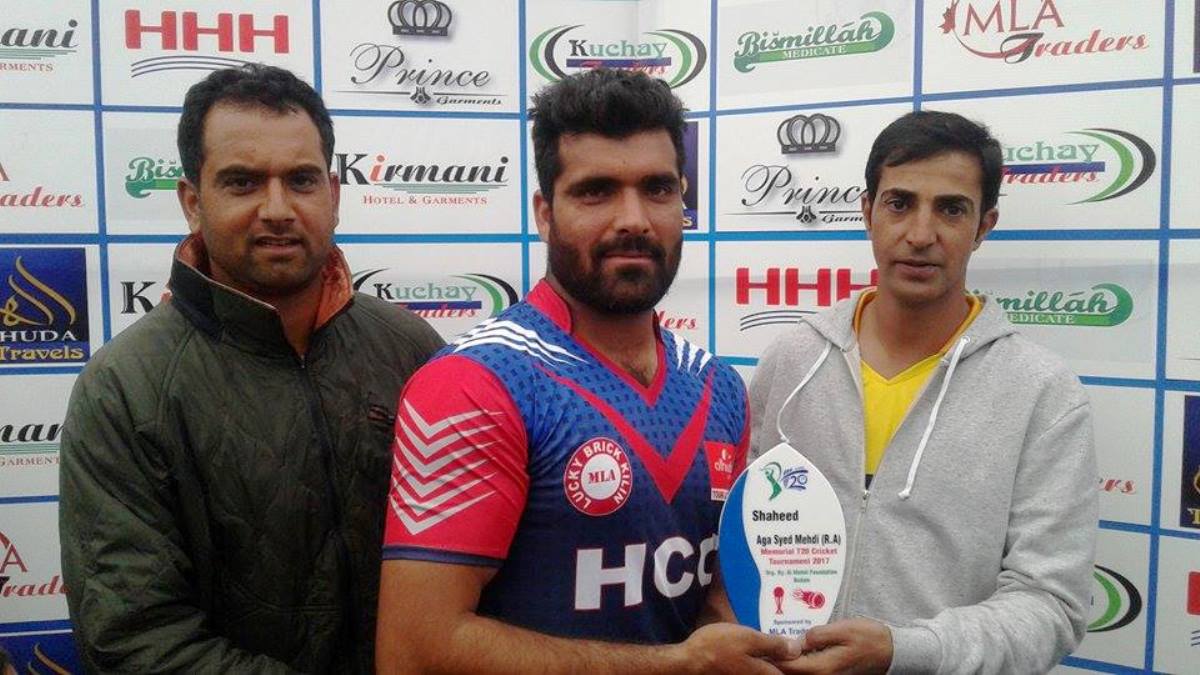
Even the current auction sensation, Auqib Nabi, was not immune. Despite taking 46 wickets in 21 First-Class matches at an economy of 3.11, he was left out of tournaments, including the Buchi Babu. After finishing the 2023 season as Jammu and Kashmir’s highest wicket-taker, he struggled to make the playing eleven.
Interviews with former JKCA players suggested that the most recent success stories, including Nabi, Umran Malik, Rasik Salam and Abdul Samad, were mentored under Irfan Pathan’s coaching setup and not under the current administration.
“Since Pathan left, show me one player who has emerged from the current leadership,” said Aasif. “There isn’t one.”
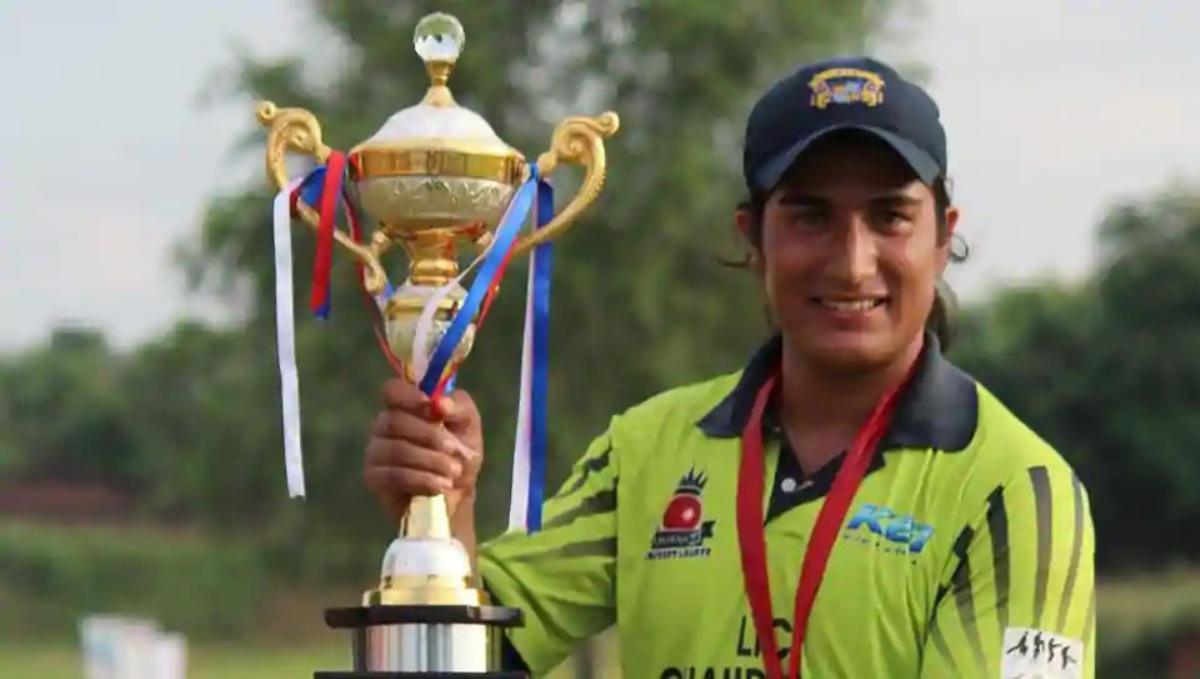
Many point to left-arm quick Mujtaba Yusuf. After a standout Ranji performance in 2020 and 36 wickets last season while earning a place among India’s top 25 emerging players, Yusuf was overlooked for the state squad. “If a top 25 player in India can’t make the state team, what more explains the crisis?” Khan asked.
However, retired Brigadier Gupta claimed that the current process of selection of players is the fairest possible selection process in place now.

“Earlier, the selections used to be based on chits, phone calls and one camp,” Gupta said. “We have a process which starts with a talent hunt for different age groups. Thereafter, the players who are selected in those talent hunts are made to play among themselves in talent hunt matches. Those then selected from such matches are then included along with the old players who are part of the team from previous years. Then they are made to play with them. This is called deep selection, and after this process, a pool of 40 is made, and that pool of 40 is kept till the final 15 pool is selected for the tournaments.”
“The selection process starts in March and ends in August,” Gupta added. “Thereafter, all these players who were selected in the pool of 40 are put through different camps like physical fitness camps, mental fitness camps, skill enhancement camps, and practice matches. This is the fairest selection process one can think of.”
Club Culture Gone
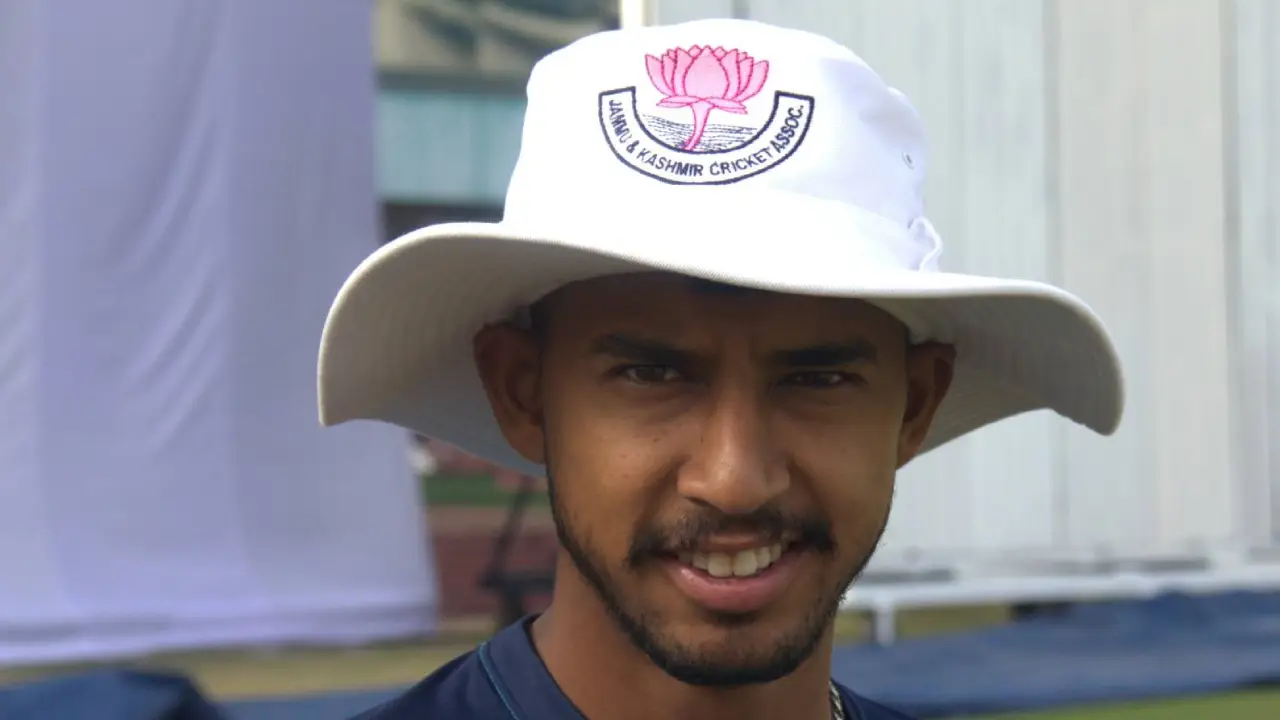
Concerns extend beyond selections. Multiple players and club owners alleged that the JKCA has not conducted any tournaments for registered clubs in four years. Sports journalist Mohsin Kamal argued that JKCA’s policies have suffocated talent while other states expand grassroots pathways.
State associations in Tamil Nadu, Karnataka, Odisha, Kerala and Rajasthan now run IPL-style T20 leagues to identify emerging players. In contrast, JKCA has banned registered players from participating in local tournaments, which are the only competitive platform available in Kashmir. Even when tournament permission was offered, conditions like mandating 50-over formats without logistical support rendered it impractical.
“JKCA’s policies are suffocating talent instead of nurturing it,” Kamal wrote. “By blocking local cricket, they have denied match practice, robbed unemployed cricketers of income, and stopped youngsters from learning alongside seniors. While other states expand platforms, JKCA seems intent on shrinking opportunities.”
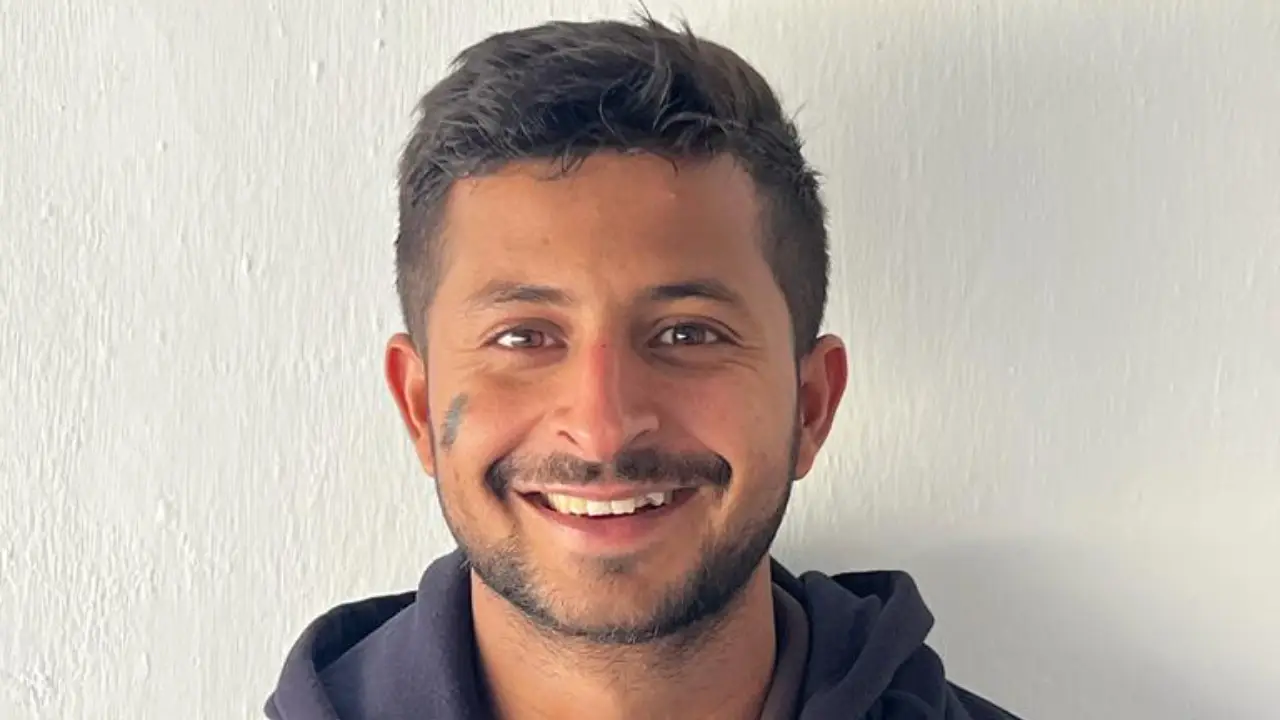
Saraf of Whites Cricket Club contrasted the current approach with earlier years. “During Ashiq Bukhari’s tenure, around 25,000 players were able to play cricket at meaningful levels,” he said. “All current IPL players from Jammu and Kashmir emerged from that era. But since this BCCI sub-committee took control, no club cricket has been played in four years, nor district level matches.”
Those anxieties resonate. “Hundreds of players once participated in annual JKCA tournaments,” said Owais Shafi. “Selectors could identify and invite talent. But now, when no matches are being held, how will talent come forward?”
“As per the high court order of December 2017, the clubs stopped functioning and existing on that date,” said Gupta. “These are all false statements they make just to impress fool people.”
No Voting Rights
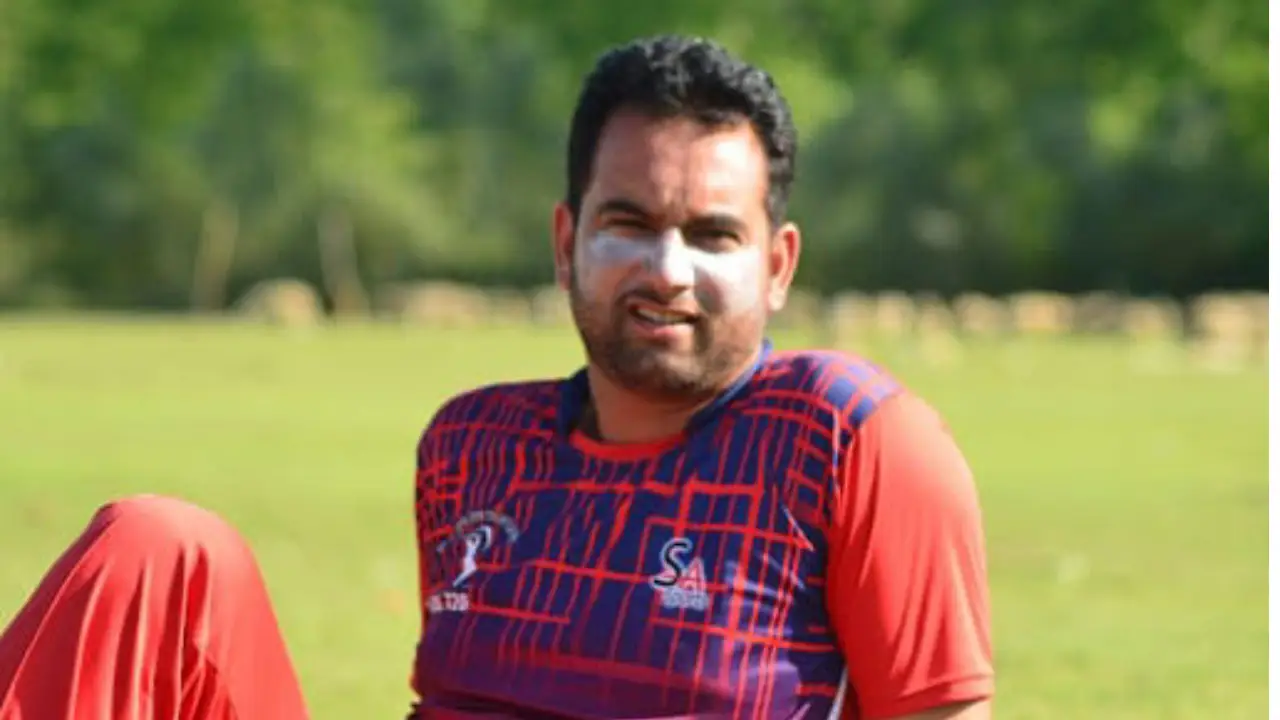
While many argue that the JKCA failed to meaningfully nurture grassroots cricket, its affiliated clubs had long filled that vacuum. This changed after Bukhari was appointed as EO. He introduced sweeping structural reforms. Acting as an interim committee of administrators (CoA), they amended the JKCA constitution, stripped constituent clubs of their membership and voting rights, and initiated the transition to District Cricket Associations.
“When JKCA was handed over to a court-appointed committee of administrators and a CEO, it was to run the affairs of JKCA and draft a new constitution,” according to Gupta. “But then that CEO, without taking the approval of anybody, drafted a constitution, wherein he removed the clubs from the basic membership of JKCA.”
Representatives of affected clubs petitioned Raj Bhawan and the High Court, alleging that the CoA had exceeded its mandate, which they said was limited to amending rules in line with the Lodha Committee reforms and effecting “some administrative changes.”
Bukhari defended the move. “That’s exactly what we have done,” he insisted. “We have gone strictly as per the Lodha Committee recommendations, followed by directions of the Supreme Court and Jammu and Kashmir High Court. As directed, we have drafted an exhaustive constitution and got the changes registered with the Registrar of Societies.”
Clubs In Crisis
At the same time, the clubs themselves have been embroiled in disputes for nearly a decade. Twelve of JKCA’s 25 affiliated clubs continue to face unresolved conflicts dating back to former president Imran Ansari’s tenure.
“The dispute is about ownership,” said Owais Shafi. “There was a hostile takeover of these clubs from their original owners to false ownership. It was all done to get voting rights.”
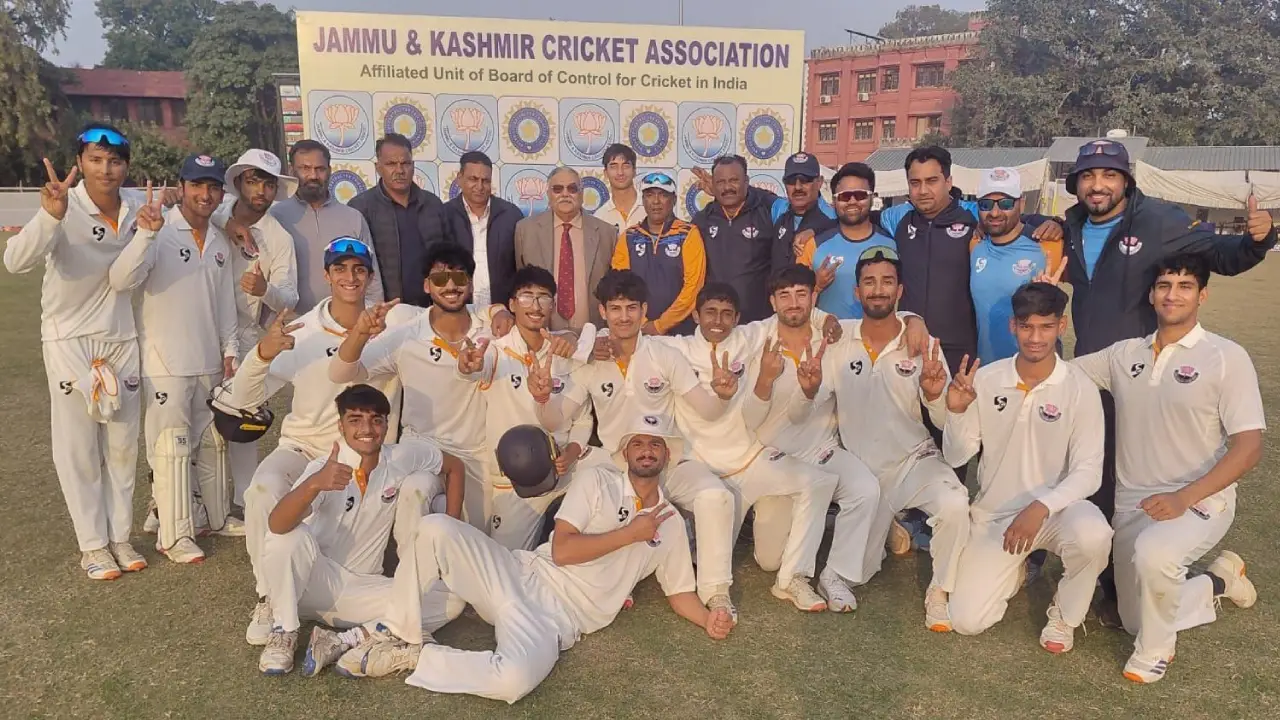
A High Court Division Bench appointed Justice Bashir ud Din as Ombudsman to resolve the disputes and ordered fresh elections. “The Kashmir-based clubs were ready, but the Jammu ones didn’t accept it,” Shafi added. “So, the disputes continued.”
According to Sanjay Saraf, the JKCA recently told the Supreme Court that the disputes were resolved. On October 27, the apex court ordered fresh JKCA elections within 12 weeks under the supervision of former Chief Election Commissioner Achal Kumar Joti.
Elections to the JKCA’s Working Committee, which elects the association’s office bearers, and to its 160-member General Council, comprising five representatives from each club, became mandatory after the Supreme Court endorsed the Lodha Committee reforms.
Soon after, disputed clubs received letters in March, claiming the conflicts had been settled and voting rights restored to the “right person.” Shafi alleged deliberate manipulation. “They had malicious intentions,” he said. “The order is dated March, but we received the letters only in November.” He accused the administration of altering voting lists ahead of elections. “They have tried to change the nomenclature of votes and fudge the voting list accordingly to benefit themselves.”
Days later, Sunil Sethi, JKCA’s Member of Legal Affairs, resigned, citing “serious concerns” over alleged back-dated Ombudsman orders. “Backdated orders are being issued…dating it back to March 2025 when no such order was passed,” he said, warning that the directives “are changing the club management and voting rights.”
Saraf echoed the alarm. “If there was a person against me in the club with whom we had a dispute, JKCA’s ombudsman has given the voting right to that person rather than to the actual club.”
“Vested interests” are misusing political cover. “The government of India is trying its best for the development of the game in Jammu and Kashmir, but BJP’s men in JKCA have fraudulently used the party’s name for personal benefits,” he alleged. Pointing to increased funding, he demanded accountability. “There should be an inquiry into what happened with that fund, as no work regarding cricket, like the stadium or any game, took place. So where did the money go?”
The disputed clubs have now moved Court, challenging the alleged back-dated order and the changes to voting rights that followed. So did Jammu Cricket Club. The Jammu cricket club had informed the court through a suit that it is a full, voting member of JKCA and that the Supreme Court-approved rules give it the right to take part in its elections through its authorised representative.
According to the club, when it submitted its nomination before the deadline, JKCA officials refused to accept it and instead accepted nominations from people who are not legally recognised members of the club. The club said it raised the issue with the JKCA election officer, but no corrective action was taken.
It also argued that this refusal violated an earlier order by the JKCA-appointed Ombudsman, who had officially recognised the club’s authorised representative. By ignoring that order and blocking its nomination, the club claimed JKCA officials interfered with its democratic rights. The dispute began on November 30, 2025, when the nomination was rejected and continued when no action was taken on the club’s complaint on December 1, 2025.
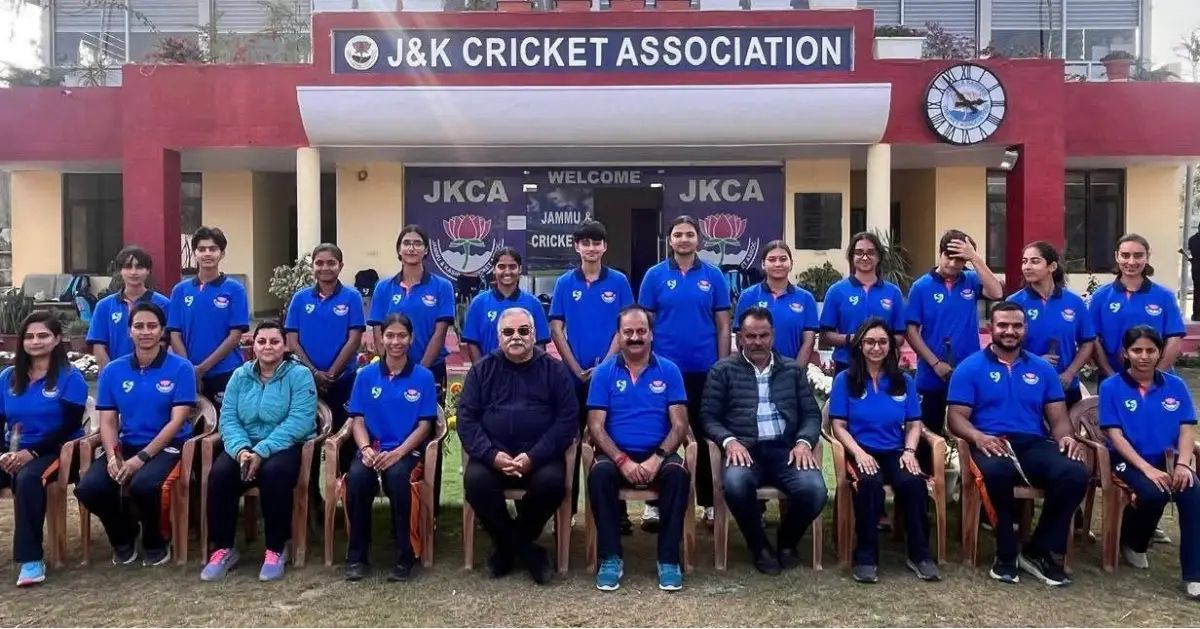
In its December 16, 2025, order, accessed by Kashmir Life, the court has skipped the usual requirement of giving advance notice to the other side and has temporarily stopped JKCA and its administrator, Anil Gupta, from finalising the electoral roll until further orders.
Uneven Ground
Allegations of regional bias and favouritism in JKCA have long haunted Kashmir cricket, with players and insiders repeatedly raising concerns about opaque decision-making and preferential treatment that appears to favour certain regions or networks over merit. Critics have contended that these practices have distorted team composition and undermined performance at domestic competitions over the years.
Kashmir Life had earlier reported and highlighted insider complaints that JKCA’s selection panels often prioritise “friends” over players who have performed consistently, a pattern that has fuelled frustration among cricketers from less connected backgrounds.
Such concerns over bias are not new. As far back as 2015, reports noted that rival factions within the JKCA were conducting parallel selection trials and preparatory camps, pulling players in different directions and creating confusion over who was truly in contention for state squads. Earlier instances of dissent also date to 2012, when a group of Kashmiri players boycotted a Ranji Trophy fixture against Andhra Pradesh, alleging biased selection decisions that overlooked local talent.
Observers have pointed to persistent grievances at multiple levels, from youth teams to senior squads, suggesting that allegations of bias are systemic.
A Ranji player alleged that the imbalance between the two regions extends across the association’s power structure. “From the playing eleven to the selection panels and even the BCCI-appointed sub-committee, most positions of influence are held by people from Jammu,” he told this reporter, on condition of anonymity. “Recently, 24 players were shortlisted for the Vijay Hazare trial, and only four were from Kashmir. The junior selection committee is dominated by Jammu selectors, and in the senior panel, three of the four members are from Jammu.”
The player claimed constitutional changes in JKCA have made it even harder for Kashmiri cricketers to be considered. “One clause says a player must have played 25 First-Class games to be eligible for Ranji selection. They know very few Kashmiris have that number, and most of those matches have been played by Jammu players. If that requirement was so essential, then why don’t other states like Delhi or Punjab follow it? There, anyone who has played even one First-Class game is eligible. They are tactfully sidelining Kashmir.”
JKCA officials have occasionally defended their approach, maintaining that selections are driven solely by talent and performance. In previous seasons, the association has cited increased player representation in national tournaments and elite leagues as proof of effective talent development. Players, however, contend that in the absence of transparent criteria and publicly available selection lists, such assertions do little to counter the perception that cricketing opportunities in Jammu and Kashmir remain uneven and opaque.
“That is the worst possible allegation that can ever be made,” said Anil Gupta. “No sport should ever be seen from the prism of region or religion. But it was happening in JKCA before [sub-committee] tenure. There was discrimination against Jammu, but we have not discriminated against any region. Our selections have been purely merit-based.”
“Some of our teams have more players from Jammu, and some of our teams have more players from Kashmir. It is all based on the selection process, whoever comes. In fact, you see the number of players coming from rural areas. They are far more than what they used to be in cities like Srinagar or Jammu. So this shows the vastness and the inclusiveness of the team.”