by Syed Shadab Ali Gillani
At present, the region is marked by a relative calm. Visitor numbers remain modest, allowing for a quieter, more measured experience of the place.
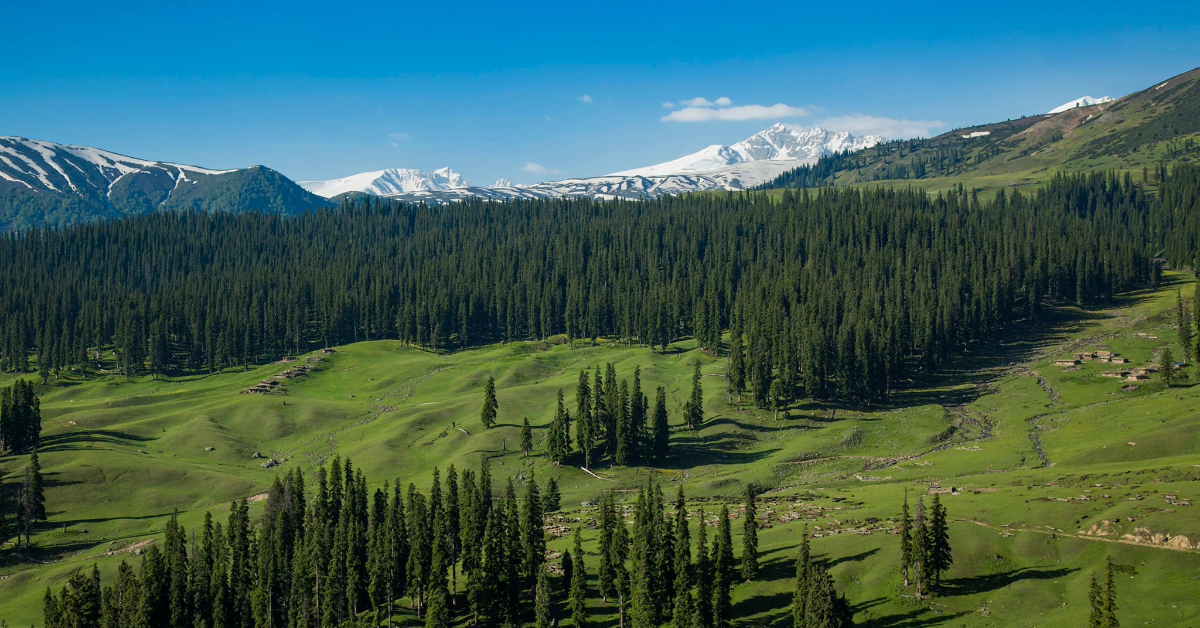
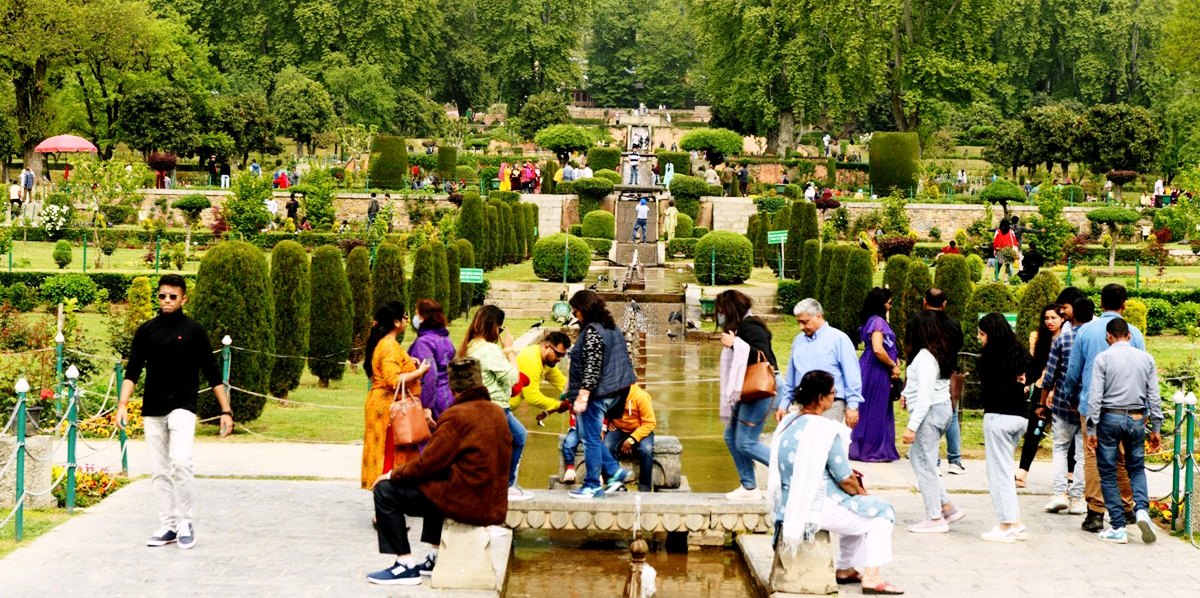
Jammu and Kashmir is endowed with extraordinary natural wealth. From lakes and rivers to mountains and valleys, from scenic hikes to challenging treks, from well-tended gardens to distinctive cuisine, everything about Kashmir commands attention.
For those considering a summer retreat this year, Kashmir presents itself as an ideal destination. Here is why:
Nature in Full Bloom: This is the season when nature reaches its peak. The greenery, flora, and fauna are in full bloom. The almond blossoms of spring and the summer flowers surpass any conventional measure of beauty. Valleys such as Markha, Shyok, Nubra, Betaab, and Dha Hanu form a landscape that renders Kashmir unlike any other place. The calm expanse of Srinagar’s crystal-clear Dal and Nigeen Lakes, flanked by towering mountains, remains without equal.
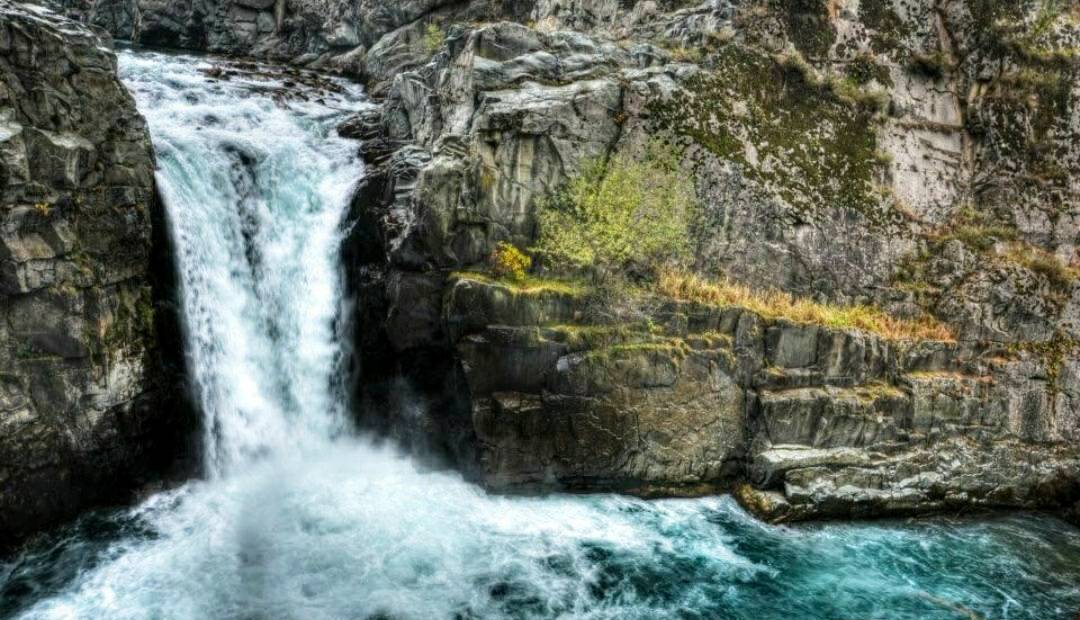
Favourable Weather: Although Kashmir has not been immune to the current heatwave, its weather conditions remain comparatively agreeable, particularly in the higher altitudes. In these regions, some residents continue to rely on kangris for warmth. Spring and summer bring mild weather, with daytime temperatures seldom rising above 30°C and lows ranging between 9°C and 15°C. Days tend to be warm, while the nights retain a distinct chill. Each season offers something different, lush vegetation in spring, vivid hues in autumn, and a snow-laden quiet in winter. Travellers may select their time of visit according to their preferences.
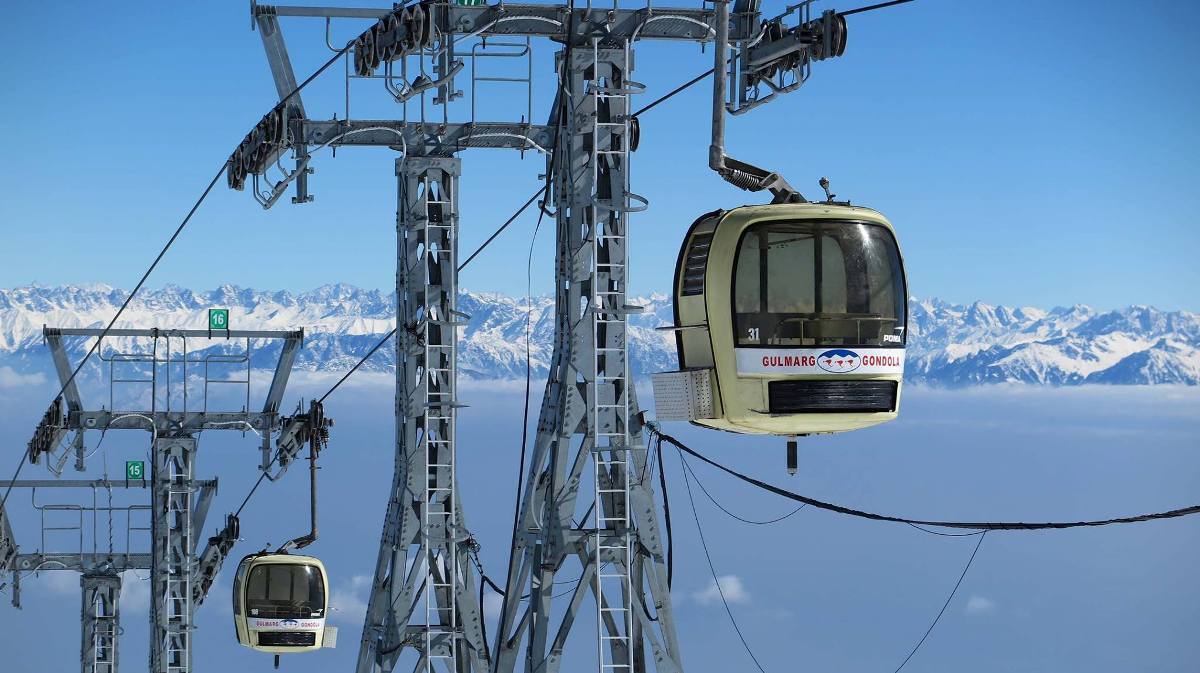
A Landscape for the Adventurous: Kashmir offers some of the world’s most compelling treks, hikes, and alpine lakes. Ice and rock climbing have been recently introduced, making the region even more appealing to those drawn to adventure. White-water rafting in Pahalgam and paragliding in Gulmarg are seasonal activities, available only in summer. May is the best month for a cable car excursion, an experience that offers panoramic views of snow-covered peaks. Other pursuits include camping, off-roading, wildlife excursions, and more paragliding opportunities.

Flavours of the Valley: Kashmiri cuisine, known as wazwan, is renowned for its depth of flavour and aromatic richness. For those who consider food a central part of travel, few experiences match the satisfaction of tasting authentic wazwan prepared by skilled wazas. Across the region, numerous establishments serve this traditional cuisine to visitors. The food is marked by its complex seasoning and vibrant appearance. Among the most sought-after dishes are yakhni, kahwa, rogan josh, and gushtaba, each offering a distinct taste rooted in the valley’s culinary heritage.
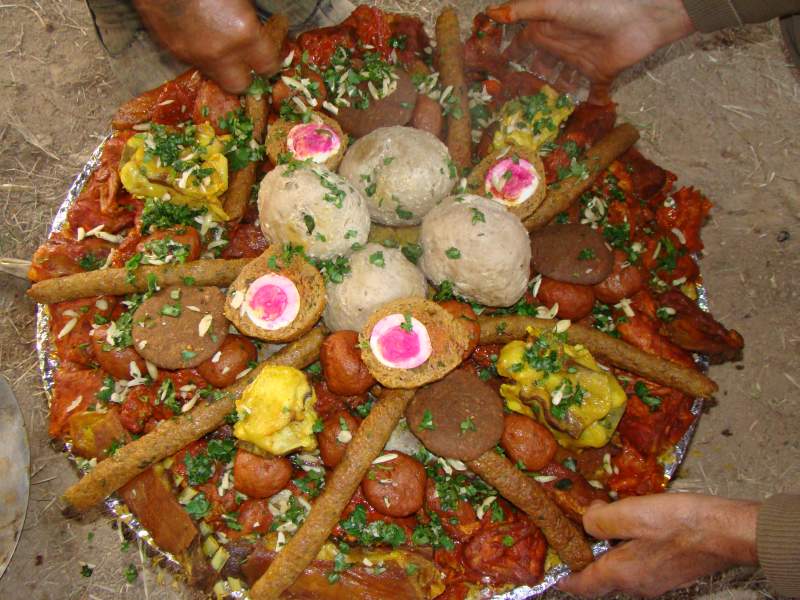
Street Food and Local Appeal: As food tourism continues to gain popularity, Kashmir stands poised to attract attention. A recent episode of a series on Indian street food was filmed in Srinagar, signalling growing recognition. Dishes such as nadru monje and masala tchot form an essential part of local street culture, and have begun to develop a following of their own. These offerings provide a different but equally significant dimension to the region’s gastronomic identity.

Evening on the Lake: A shikara ride across the still waters of Dal Lake during a mild evening presents one of Kashmir’s most memorable experiences. Lights flicker on the horizon, stars emerge above, and the moon casts its reflection upon the water, intensifying its shimmer. The mountains rise around the lake as the boatman steers silently across the surface. It is a quiet spectacle, marked by simplicity and grace. Shikara rides are available on Dal Lake in Srinagar and also on Manasbal Lake near Sonamarg. Spending a night aboard a houseboat, surrounded by this setting, is among the most singular experiences the region offers.
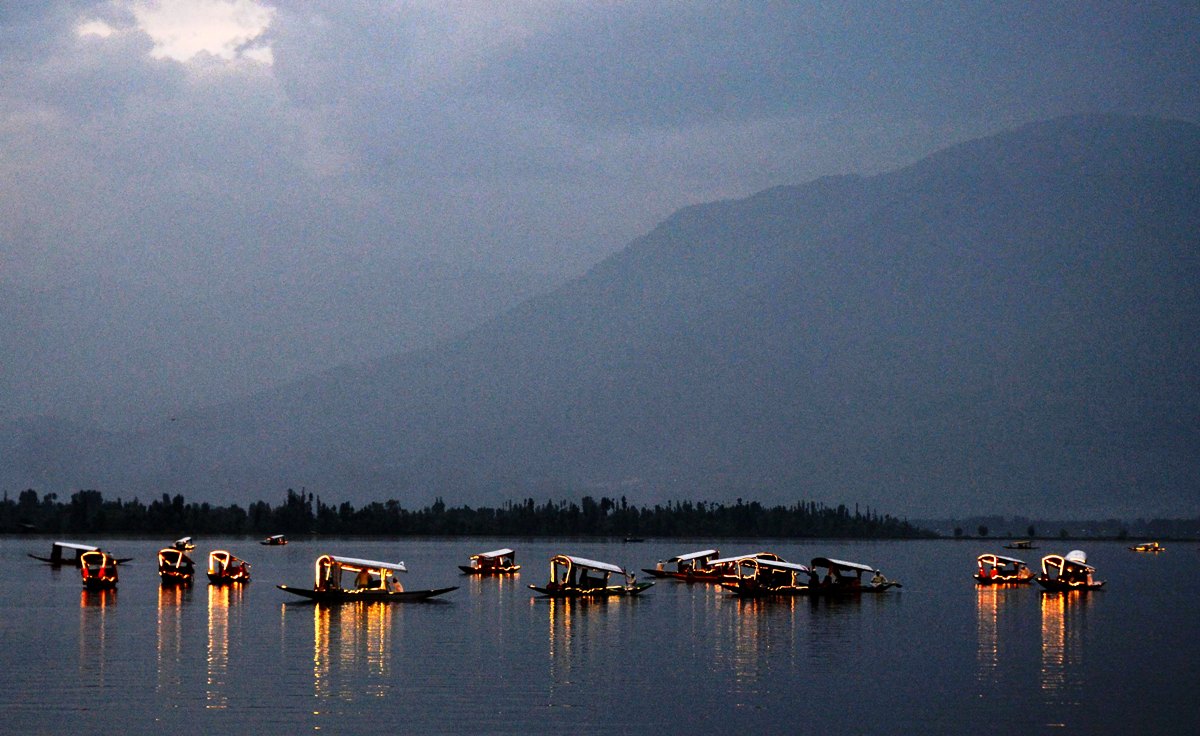
PHOTO BY BILAL BAHADUR
Through the Lens: Summer in Kashmir offers a rare opportunity for photographers. The clarity of light, the contrast of colours, and the expanse of natural beauty combine to create the conditions for a perfect frame. For photographers from around the world, Kashmir in summer offers the setting they often seek.

A Welcome Like No Other: The people of Kashmir are known for their warmth. Visitors are met with genuine hospitality. With many locals depending on tourism for their livelihood, there is a sense of care in every interaction. Whether it is a pony handler, a tour guide, or a cab driver, those involved in the trade tend to their guests with attentiveness and a familial concern that is difficult to overlook.

Tradition and Craft: The cultural heritage of Jammu and Kashmir is a draw in itself. Those curious about the traditions of the region will find ample reason to visit. The culture extends beyond scenic landscapes to the objects crafted by hand. Kashmiri handlooms, pashmina shawls, and pherans reflect a legacy shaped over centuries. These items are not only available in markets but are also emblematic of a way of life still deeply rooted in local practice.

Space to Breathe: At present, the region is marked by a relative calm. Visitor numbers remain modest, allowing for a quieter, more measured experience of the place. Fewer crowds offer a chance to engage with the landscape in a more personal way. The stillness provides an opening to absorb the surroundings without interruption.