Jammu and Kashmir Police’s mosque profiling drive, seeking exhaustive institutional and personal data, has triggered widespread unease, with leaders calling it invasive, unconstitutional surveillance nationwide, reports Syed Shadab Ali Gillani
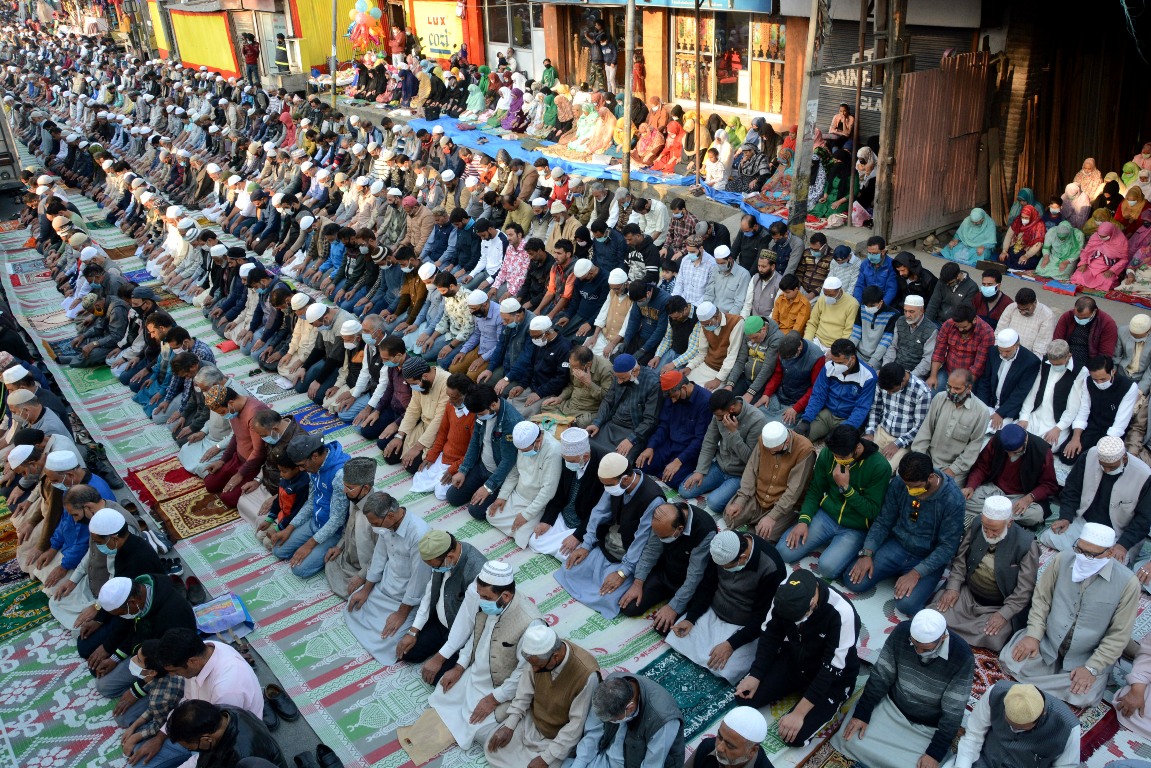
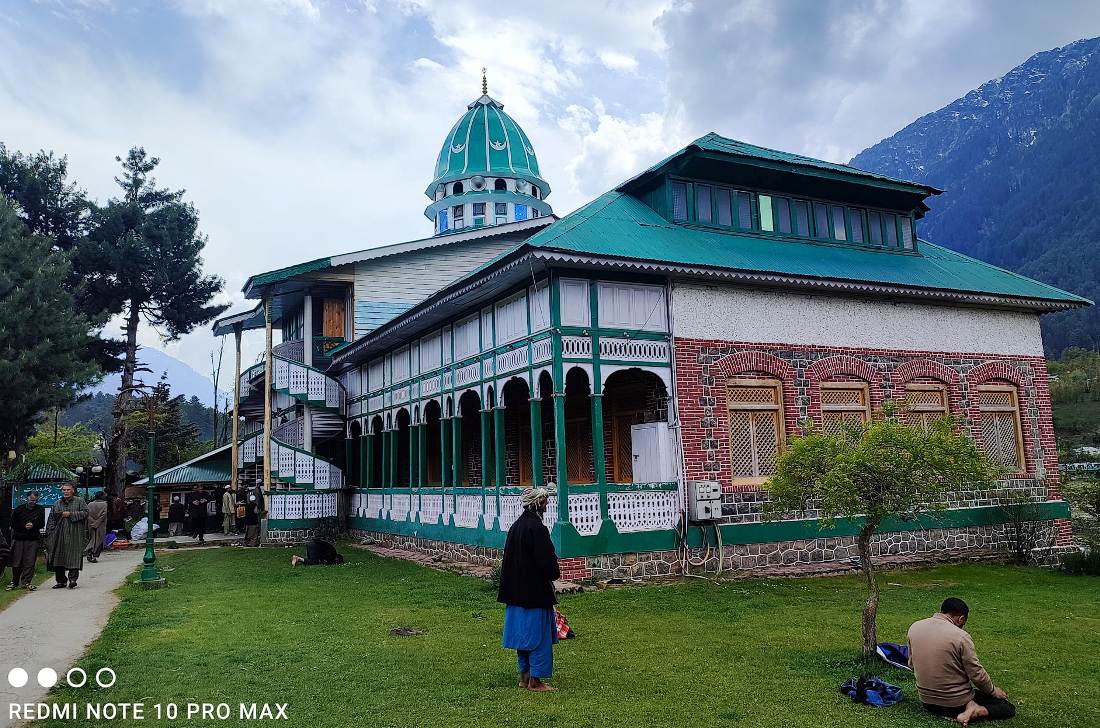
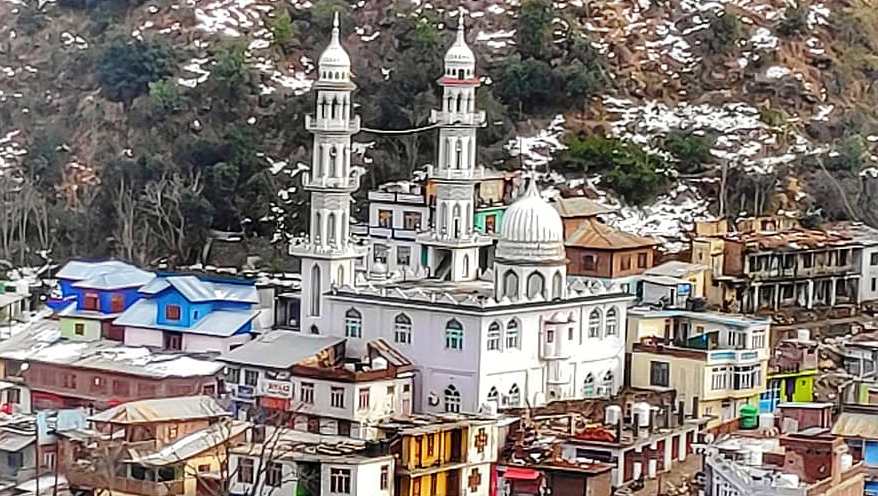
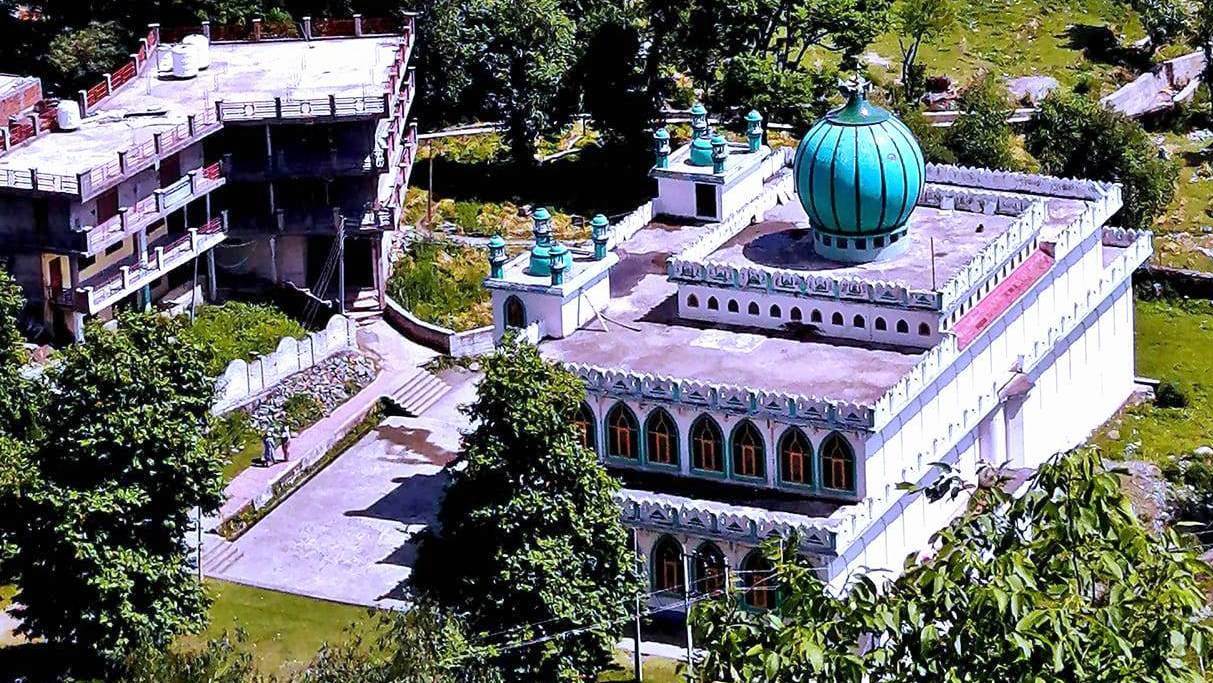
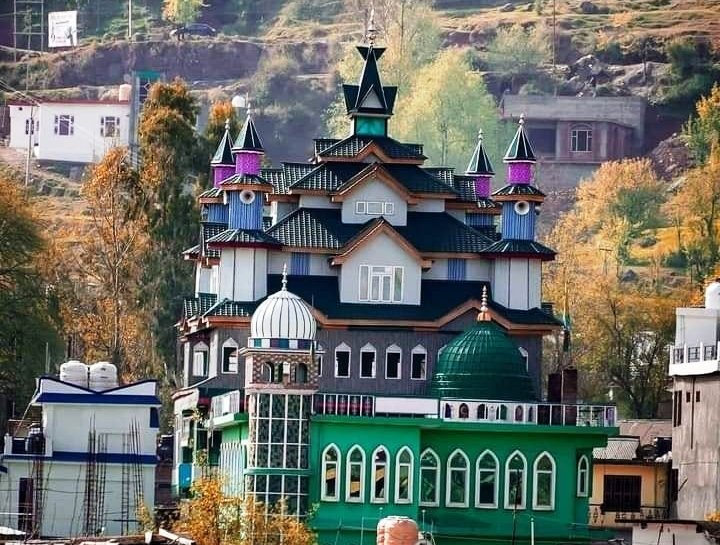
The Jammu and Kashmir Police have initiated an exercise to collect granular details on mosques across the Kashmir region, including particulars of Imams, muazzins, management committee members and associated charity wings. The exercise seeks information on the sects, seating capacity, construction cost, monthly expenditure and funding sources of mosques. Besides, it also asks for extensive personal details of individuals associated with these spaces of faith, including cell phone models and IMEI numbers, social media accounts, ATM cards, ration cards and credit card details.
Information shared by the political class suggests that a standardised form has reportedly been circulated across several districts of Kashmir. This is the first time that police have sought information on mosques and their functionaries on such a wide scale.
The Format
The state’s administrative framework for religious oversight is defined through what officials describe as a Profiling of Masjid protocol. Under this system, each mosque is catalogued with its name, exact geographical coordinates and ideological affiliation, identifying whether it follows the Barelvi, Hanafi, Deobandi or Ahl-e-Hadees tradition. Structural details are recorded, categorising buildings as pucca, makeshift or prefabricated, along with the number of storeys (levels), congregation capacity and date of establishment.
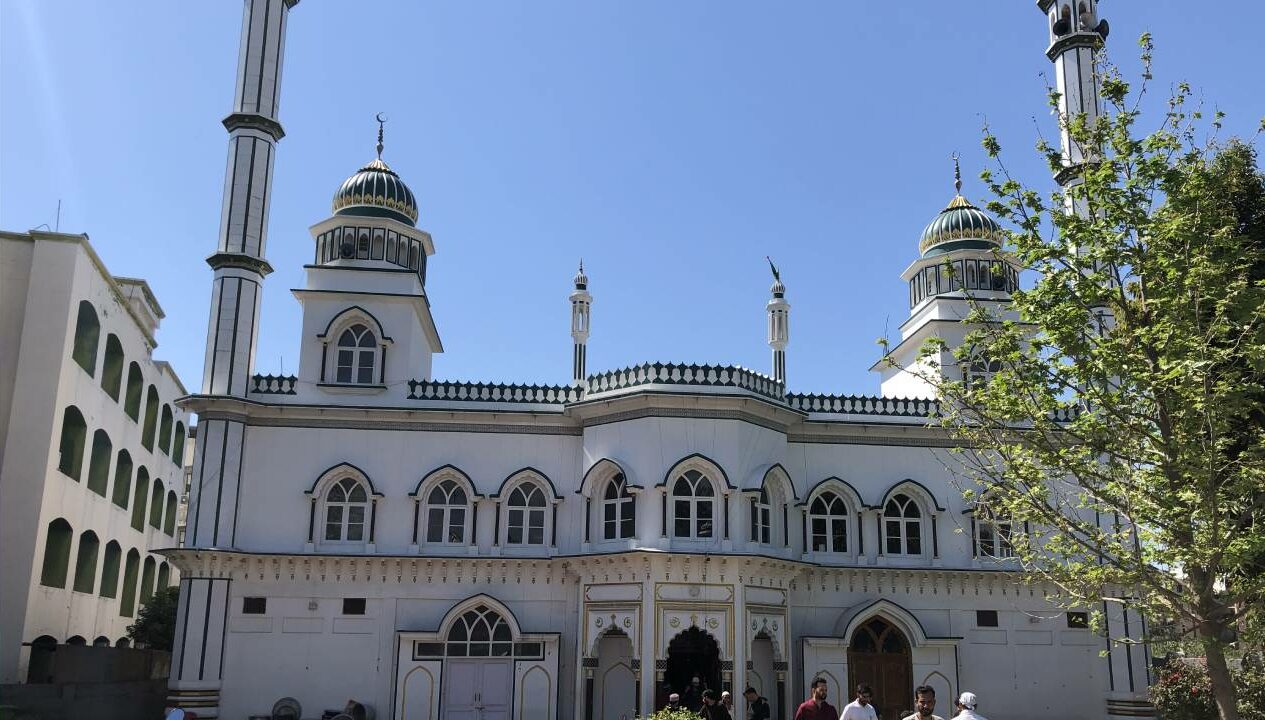
Financial disclosures form a central part of the profiling exercise. Authorities seek information on the source of construction funds, total expenditure, monthly operational budgets and land ownership status, whether state-owned, milkiyat or shamlaat.
Besides, the profiling also extends to Madrasas. Records include whether any institution is affiliated with another body, the nature of courses offered, such as Hafiz, Qari, Imam, Molvi or Mufti, student enrolment figures, hostel capacity and the number of day scholars. For both mosques and madrasas, the state maintains detailed data sheets on management committee members, Imams and Friday Khateebs, including their educational qualifications, institutions attended, bank account details and any previous criminal records or cases against them.
A separate Proforma for Moulvis, Teachers and Employees seeks granular personal data. Beyond Aadhaar, PAN and ration card numbers, the form records height, marital status, travel history, passport details and information about relatives living abroad. Financial scrutiny includes credit card information, monthly expenditure and the estimated value of owned land or houses.
The format’s security-related section focuses on “previous antecedents”, documenting FIR numbers, arrest details and year-wise jail records. The profiling extends into the digital domain, seeking usernames, email IDs and application details for WhatsApp, Telegram and Twitter, along with mobile phone make and IMEI numbers. Family profiles are also recorded, listing the occupation and contact details of parents, siblings and spouses, with specific emphasis on any family history related to militancy.
A proforma has reportedly been issued to village numberdars for collecting details of mosques, madrasas, Imams, teachers and management committee members.
The Newsbreak
After the news of the new exercise was broken by The Indian Express, the survey triggered unease across Kashmir, with many viewing it as a direct interference in matters of faith. “It is scary, first it was humans, now it is spaces,” a resident of South Kashmir said. “Every space of faith is counted during the census. Is there something more than that the government requires?”
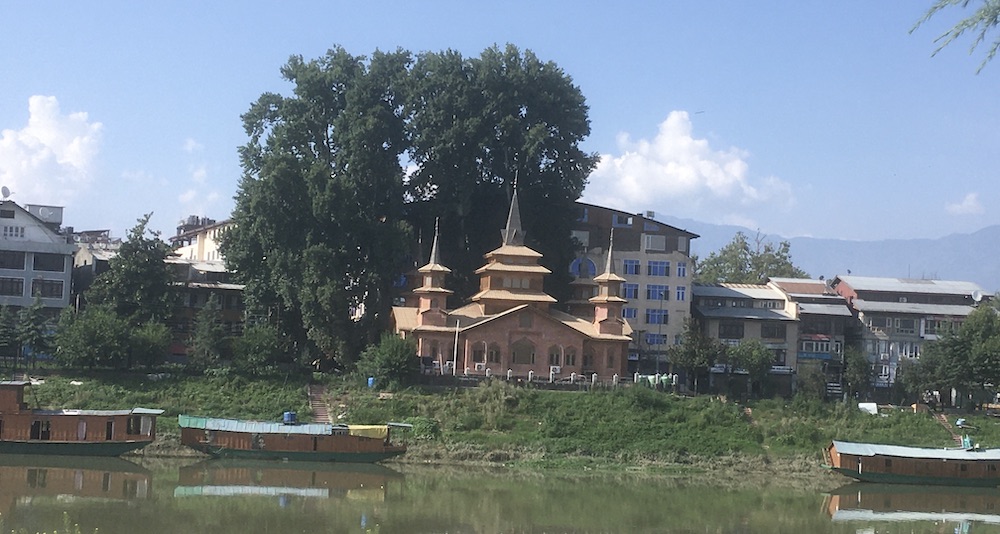
In the last census carried out in 2011, the surveyors counted 36,03,632 constructions of which 304413 were vacant, at the time of the census, 3299219 were occupied. Of the occupied, 1827655 were residential, 93655 were residences with other additional uses, 31843 were schools and colleges, 7473 were hotels or guest houses, 6278 were hospitals or different health facilities, 32913 were factories or work sheds, and 888166 were in non-residential use. The total number of places of worship was counted at 49135, and these belonged to all faiths practised in Jammu and Kashmir.
The Mirwaiz Umar Farooq-led Muttahida Majlis Ulama (MMU), a huge alliance of clerics from all the Shia and Sunni sects, termed the initiative as an “invasive data collection exercise”. Ruling National Conference leader and Lok Sabha member Aga Ruhullah Mehdi said the move reflected an attempt by right-wing forces to control religious discourse.
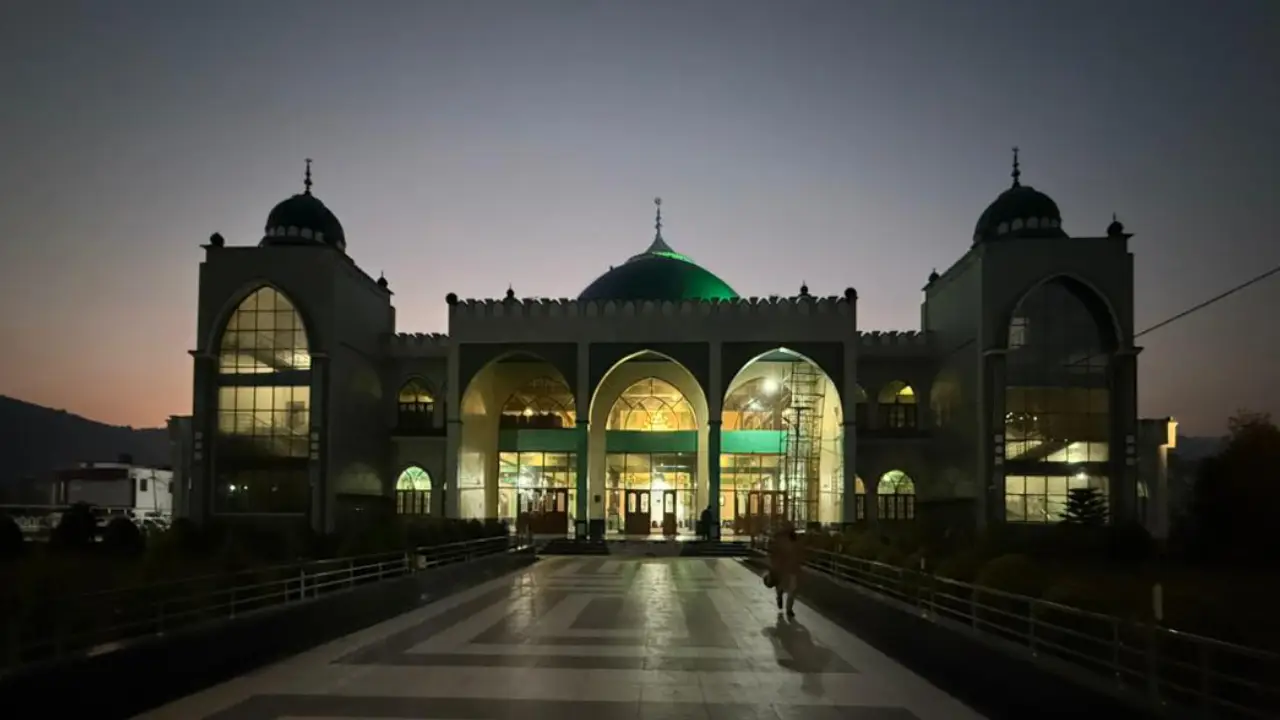
“This is a particular right-wing ideology that is running the system in this country. This is its project,” alleged Ruhullah. “It is clearly visible that it wants to control religions which do not conform to its ideology.”
A day after the newsbreak, while addressing reporters, Ruhullah said the profiling of mosques, madrasas and Imams violated the constitutional guarantee of religious freedom. “There are already multiple layers of surveillance by the CID, IB and paramilitary forces. This intimidation and monitoring infringes upon the right to practise religion guaranteed by the Constitution,” he said.
In Defence
Authorities have defended the exercise, according to the reports appearing in the media, stating that profiling of religious institutions and their management began following the busting of a so-called ‘white-collar’ module in 2025. The module was behind the Red Fort Car blast in which 15 people were killed. The car was driven by a medical doctor, and the subsequent police investigations led to the arrest of more than half a dozen people who were behind the module.
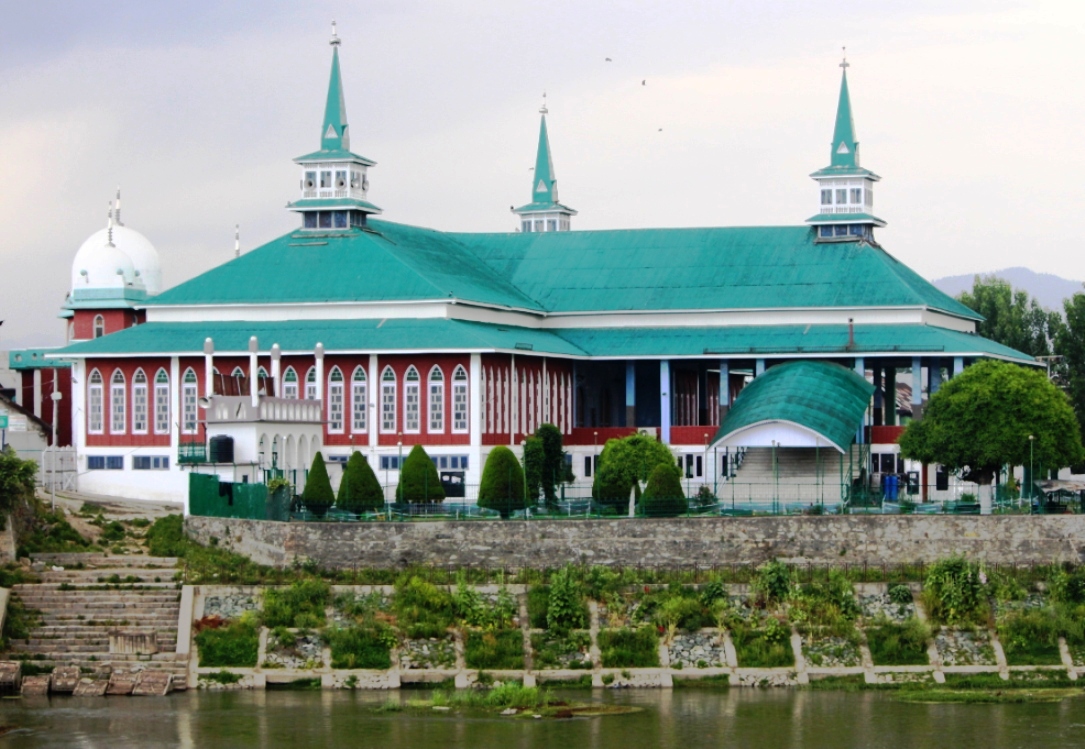
However, Ruhullah countered, claiming that authorities already possess personal data through Aadhaar and other official records. “This profiling is meant to intimidate a specific class of people belonging to a particular religion who are engaged in religious preaching,” he said. “It appears Imams may be directed to deliver sermons approved by the BJP or the RSS.”
The MMU questioned the intent behind the exercise, stating that the scale and depth of information sought far exceeded routine administrative requirements.
“Such an unprecedented and invasive data collection exercise has caused widespread anxiety,” the MMU statement said, adding that places of worship and internal religious affairs cannot be subjected to arbitrary surveillance.
“The elected government must intervene immediately. This exercise must be withdrawn forthwith as it undermines trust, creates fear among religious functionaries and sends a disturbing message to the Muslim community,” the alliance said, urging Lt Governor Manoj Sinha to halt the process.
Former Chief Minister and Peoples Democratic Party (PDP) president, Mehbooba Mufti, alleged the monitoring of Imams and mosque clerics was “a deliberate attempt to alienate Muslims from their faith”.
“If the government genuinely wants to monitor religious leaders, why not start with temples?” she argued, while talking to reporters with the police verification format in her hands. “Verify which priests serve where, who accesses inner sanctums and the payments involved.”
Security agencies, she said, already possess land and personal records related to mosques. “Collecting Aadhaar details, photographs and profiles of Imams amounts to profiling meant to create fear. Our Imams are patriotic, yet they are being treated like Over Ground Workers (OGWs),” she said, warning of nationwide repercussions.
Going a step further, Mufti alleged the exercise seems as if crime scenes are being enacted with temples, gurduwaras and churches set aside. Mosques, she said, are for all Muslims regardless of who builds them. “No worshipper is denied access,” she said. “Let them seek details about priests in temples, where Dalits are allowed, where Brahmins are allowed, and how much money is paid for entry into temples, because nothing like this exists in our mosques.”
The ruling National Conference also expressed serious concern over the exercise, calling it a gross interference in the religious affairs of Muslims. The nature and depth of information being sought raises serious questions about intent,” he said, urging the Lt Governor to ‘desist’ from such practices. The exercise, he said, violated fundamental rights, including privacy and protection of personal data. “
PDP lawmaker Waheed Para said no religion should be targeted under any pretext. “Profiling mosques and clerics will only widen the existing societal gaps,” he said, demanding immediate withdrawal of the circular.
Jammu and Kashmir Peoples Conference president Sajad Gani Lone termed the move an assault on the secular fabric. “The profiling of mosques and Imams is shocking and represents punitive overstretch,” Lone said in a post on X. While acknowledging security challenges, he warned that “no security threat is bigger than the idea of India.”
“Pushing Muslims to the wall and branding them suspect is a security risk in itself,” Lone said, noting that a majority of Jammu and Kashmir Police personnel who laid down their lives in counter-terror operations were Muslims. “Will someone go to their graves and tell them that the mosques they prayed in are now being profiled?” Lone questioned.
“An absolutely condemnable and atrocious move that reeks of blatant misuse of authority at the cost of the fundamental rights of citizens,” former Srinagar Mayor, Junaid Azim Mattoo wrote on X. “There should be no place for ethnic, religious or racial profiling in India. It is an assault on the idea of India. We cannot suspend the Constitution to fight terror.”
No Formal Responses
No officer in the Jammu and Kashmir government is willing to speak on record. Whoever is willing to talk refers to ‘orders from above’. Without nobody on record, one newspaper reported: “Officials familiar with such exercises say they are justified as preventive security measures aimed at monitoring radicalisation, preventing misuse of religious platforms and maintaining public order.”

Interestingly, however, BJP leader Dr Darakhshan Andrabi, who heads the Jammu and Kashmir Waqf Board, sought to clarify that “the ongoing registration and verification process is aimed solely at safeguarding religious assets, not targeting any individual or institution”.
“When the Waqf Development Act was introduced and passed, politics was done on that as well. Despite that, we worked day and night. The Government of India, through the Ministry of Minority Affairs, introduced the ‘UMEED Portal’ for Waqf development for six months, and we began the process of registering Waqf properties,” she told reporters. “As far as mosques are concerned, if they were part of Waqf properties, we would have registered them. There is no need to politicise mosques or mislead people over this issue.”