For almost twenty years, an uncle-nephew duo have plunged into the frigid waters of the Chenab, retrieving the drowned and rescuing the living, without gear, wages, or applause. In this moving account, Babra Wani chronicles the lives of Kashmir’s unsung river heroes
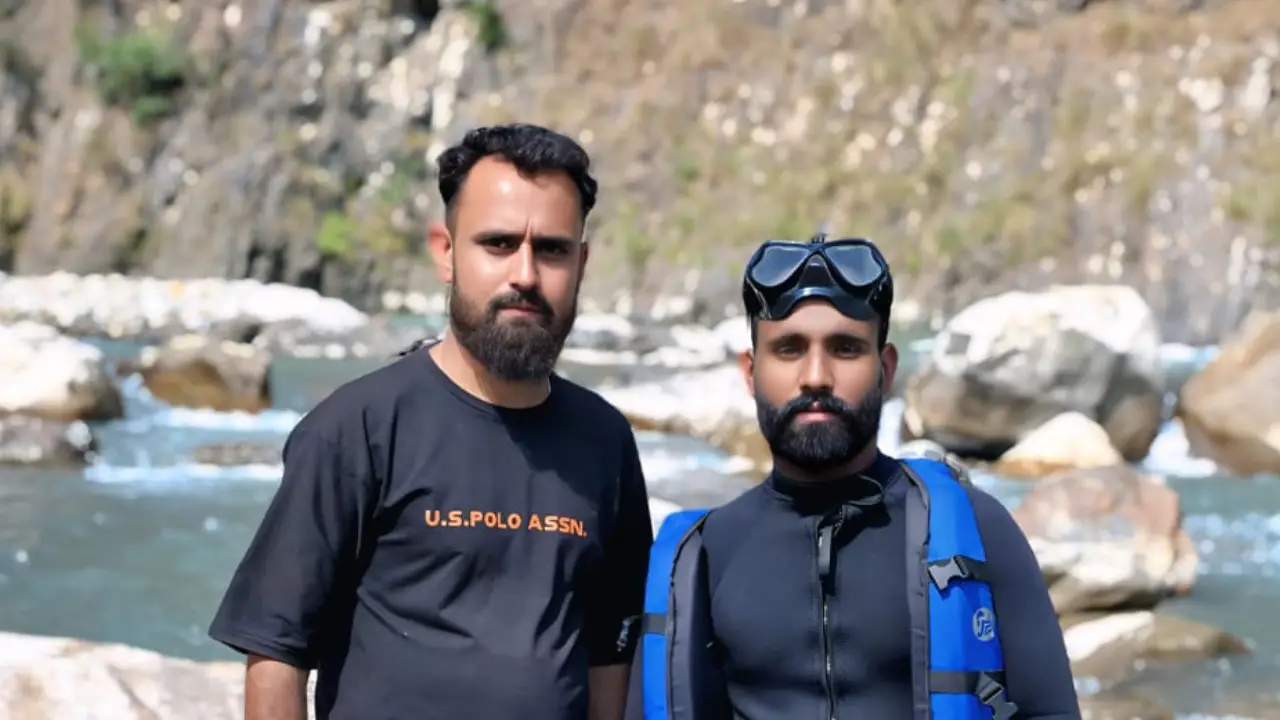
In 2008, four cousin brothers stood outside their home, trying to escape the summer heat. As they bathed in the river, one of the older boys was suddenly swept away. Without a moment’s hesitation, ten-year-old Hamza leapt in after him.
That year marked the beginning of a life defined by the Chenab’s turbulent waters. Now 27, Majid Hussain Sheikh, known to everyone as Hamza, continues to dive in not for family, but for strangers swallowed by the unforgiving river. Hamza carries stories of loss, of final journeys interrupted, and of grief surfacing from murky depths.
Over the past fifteen years, he has made the river his life’s work. Through foggy currents and frigid depths, he has brought back the dead and, occasionally, the living.
The First Loss
Hamza’s path began with tragedy. His cousin, a capable swimmer, drowned during a routine bath near the newly built Baglihar dam. The family searched for days, desperate and helpless.
“We could not save him. We did not even find him at first,” Hamza recalled. That helplessness stayed with him, and he decided that no other family should suffer the same pain if he could prevent it.
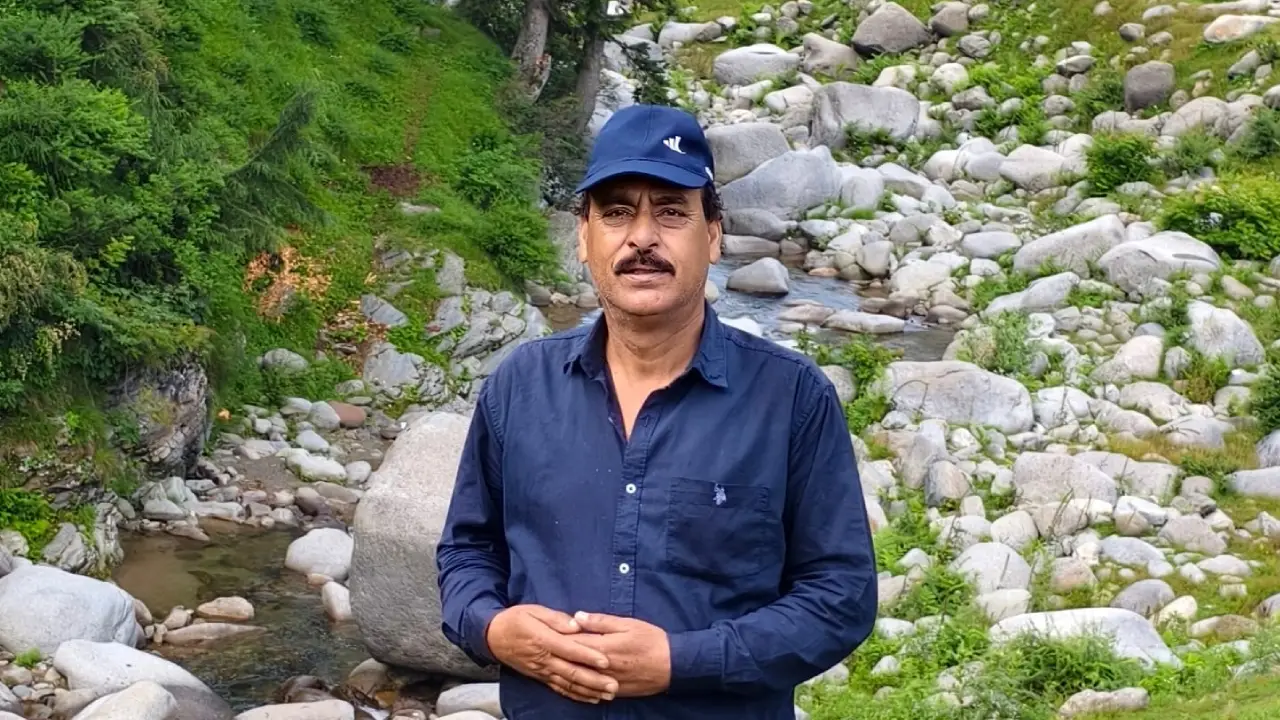
Since then, he has dived into the river daily, training under his uncle Mushtaq, a seasoned rescuer with over forty years of experience. Mushtaq taught him how to read the river its depths, currents, and silences.
Mushtaq, now in his sixties, is revered in Doda. He heads Chenab Rescuers, an NGO formally established in 2012, though its mission began decades earlier. In its early days, Mushtaq relied on a tyre tube for flotation, diving in with little else.
The team has recovered more than 1,500 bodies.
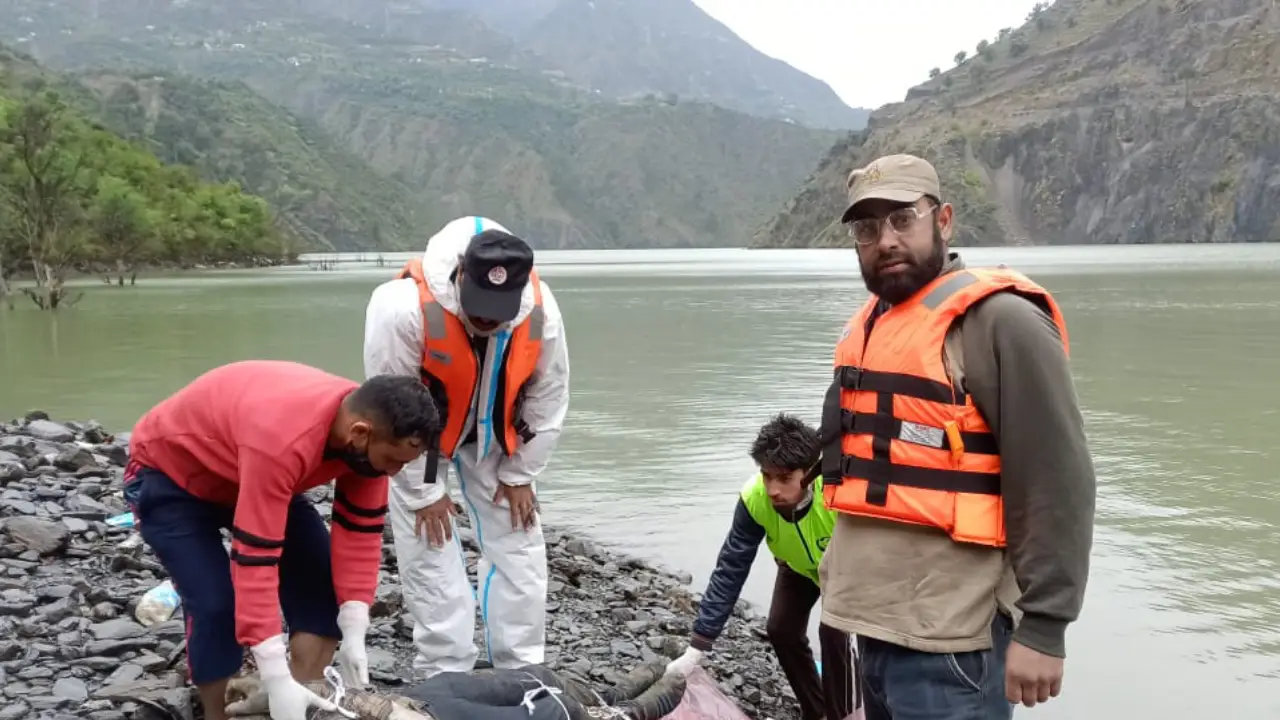
“Whenever there is an accident, we are the first to reach,” Hamza said. “We do not stop to think if it is a body or someone still alive. We just go.”
Hamza estimates he has personally recovered between 700 and 800 bodies. The group’s total is closer to 1,600. Amid the tragedies, he has also saved lives of about 40 to 50 people, including women, children, and unsuspecting tourists.
The risks are immense. The water is near freezing. Visibility is non-existent. Some parts are 10 to 15 feet deep, but around the dam, the river drops to 60 or even 70 metres.
“The hardest part is when a vehicle falls in,” he said. “It is heavy, sinks fast, and retrieving bodies becomes difficult.” He recalled an instance when a rescue team from Uttar Pradesh had to be saved themselves after being overwhelmed by the cold.
No Gear, Just Grit
Despite the scale of their mission, Chenab Rescuers function with minimal equipment. “We have just two swimsuits and a boat. That is all,” Hamza said. There are no oxygen tanks, no advanced tools, only determination.
They received a motorboat during Mehbooba Mufti’s tenure as Chief Minister and some equipment from the army, but most operations rely on physical strength and courage.
“When someone’s loved one is in the river, they are not thinking about procedures. They just want them back,” he said.
The emotional toll is severe. Hamza described the pain of retrieving a child, the way a mother’s face collapses when she recognises her son.
“It is something you never forget,” he said. “Everybody we recover is someone’s entire world.” Yet he persists. His voice holds quiet resolve. “I am used to the water now. It does not scare me anymore. What matters is giving families closure, even if that is the last thing we can do.”
Silent Heroes
Hamza is part of a committed, close-knit network. Mushtaq still leads, guiding younger volunteers. Many of them are labourers or drivers, but they abandon everything when a rescue call comes.
Their team, covering the stretch from Batote (Ramban) to Padder (Kishtwar), is the only fully trained private rescue group in the region. It comprises 32 members, most of them daily wage earners.
Beyond river rescues, they also respond to fires, accidents, and natural disasters, offering help whenever and wherever they are needed.
When asked why he continues despite the risks, Hamza does not hesitate. Someone must do it, he said. If he does not, then who will? The river has taken too much already, and this, he feels, is a way of giving something back.
Hamza earns a living as a driver on the Jammu route. The rescue team is not active every day. They respond only during emergencies, accidents, floods, or when someone falls into the water. Some weeks are quiet, others bring more frequent calls.
He recalled one search that still haunts him. A girl had gone missing near the Baglihar project. The team searched for two months before they found her body. It was the most distressing scene he had ever witnessed. Worms had infested the remains. When he touched her, the skin came off, leaving bone. She was so fragile that she could not be placed in a boat. Hamza carried her in his arms for nearly 20 kilometres through the river.
Each month, the group searches the dam area four or five times. When they find a body, they retrieve it and hand it over to the police. They never accept payment from the government or the families.
The group has only basic gear. The rest, they arrange themselves. If an accident happens, they leave their daily work, whether driving or manual labour, and go.
Sometimes rescues take place at night. A week earlier, a fisherman had slipped while casting his net. The team received the call at 4 am. By the next day, they recovered his body.
Hamza cannot bear to see grieving families. He has known that pain, the wait that leads to nowhere. That is why he continues, he said, to give people the closure he once sought.
The work leaves its scars. After some rescues, he cannot eat for days. He may return home, but the image of a body does not leave his mind. Some conditions are so horrific that even the strongest hearts crack.
Devoted to Rescue
Hamza’s uncle, Mushtaq Hussain Sheikh, lives in Pul Doda. His journey began more than 40 years ago, around the age of 22. In the beginning, it was not rescue work. It was a love for swimming and a desire to help.

He was poor, without proper gear. At first, he used an old bus tyre tube to reach those struggling in the river. Over time, the government and army took notice and provided boats and a few essential items.
He once held a government job, but in 2007, he left it to focus entirely on rescue work. It was not a career, he said. It was a duty.
Losing someone to the river, he believes, is like dying every day until the body is found. For him, it does not matter if the person is Hindu or Muslim. He brings them back so their families can mourn.
Mushtaq has recovered more than 300 bodies himself. All 32 members of the NGO belong to the extended family. Most work as labourers, but they leave everything when there is a call. Without them, no one else dares to enter the Chenab.
This mountainous region is treacherous. A vehicle that loses control often ends up in the river. Sometimes there are two accidents in a single day. When that happens, the SSP or DC calls them, and they go. They never accept payment.
Mushtaq recalled one rescue in Bandarkot. A young Hindu boy had fallen into the water. He was the only son of his parents. Two rivers meet there, creating a deadly current. One wrong move would have thrown them five kilometres downstream. They survived that day, and he still remembers the cries of the boy’s parents.
Working in freezing water is brutal, he admitted, but when the call comes, they do not pause. They simply go.
They do not do it for fame or money. They do it because no one else will. If they do not go, families will keep waiting, never knowing what happened to the ones they lost.