by Dr Jaffar Farooq
As the valley mourns the lives lost and denounces the violence that disrupted its tranquillity, the work of rebuilding must begin with equal urgency.
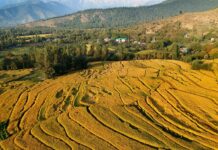
The brutal assault in Pahalgam, Jammu and Kashmir, on April 22 2025 casts a heartbreaking shadow over one of the region’s most picturesque landscapes. Long known for its pristine valleys and tranquil charm, Pahalgam has symbolised peace and serenity. Yet, this unthinkable act of violence—claiming twenty-eight innocent lives and leaving more than twenty others injured—shatters the image of the valley as a sanctuary of harmony.
This despicable attack, which targeted civilians and tourists enjoying the scenic Baisaran Valley—often referred to as “mini-Switzerland”—deserves the strongest condemnation. The singling out of victims based on their faith is not merely a strike against individuals; it is a vile attempt to fracture the fabric of humanity. Such atrocities stain the hopes of a region striving to reclaim peace and stability. Justice must be swift and unequivocal, ensuring that those responsible are held to account and such barbarity is never allowed to recur.
Tourism forms the backbone of Jammu and Kashmir’s economy, offering thousands of families a stable livelihood while showcasing the region’s unrivalled natural beauty and cultural richness. The state has long been celebrated for its breathtaking landscapes, drawing millions of visitors each year and supporting industries that span hospitality, transport, handicrafts, and agriculture. Pahalgam, a crown jewel in the state’s tourism offering, holds a special place in the hearts of travellers, revered for its stunning vistas, verdant meadows, and renowned hospitality.
Tragically, the recent attack threatens to disrupt this vital industry and cast a long shadow over the local economy.
Safety lies at the core of any tourist destination, and acts of violence strike directly at this assurance. Fear for personal security is likely to dissuade travellers—both domestic and international—from selecting Jammu and Kashmir as their holiday destination. The chilling memory of the attack, amplified by global media coverage, could deter families, adventure seekers, and nature enthusiasts alike. Beyond the immediate wave of cancellations, this apprehension may result in a prolonged decline in visitor numbers, obstructing the recovery of tourism for months, if not years. Safety concerns erode the confidence upon which both travellers and the tourism industry rely, leading to hesitation in booking trips and planning getaways.
Tourism in Jammu and Kashmir is intricately interwoven with various sectors of the economy. Hotels, transport operators, restaurants, souvenir vendors, and artisans—all of whom depend on a steady influx of visitors—are among the first to feel the consequences of reduced footfall. A drop in tourist numbers translates to fewer bookings, shrinking sales, and diminished income, pushing these enterprises closer to unsustainable operations. Beyond these immediate stakeholders, agriculture and local manufacturing—industries that supply goods and produce to hotels and markets—also confront setbacks driven by the slump in demand. When tourism falters, its repercussions ripple across the economy, affecting livelihoods far and wide, and leaving countless families in financial distress.
Incidents such as the Pahalgam attack leave an indelible mark on the region’s global reputation. Jammu and Kashmir, already burdened by a history of political unrest, will struggle to restore faith among international tourists. The persistent association between the region’s splendour and its volatility nurtures lingering fears, complicating efforts to attract foreign visitors. Even with improved security measures and official assurances of safety, dispelling the stigma of violence will demand prolonged outreach and carefully orchestrated campaigns. The path to rebuilding confidence and reclaiming the region’s stature as a sanctuary for travellers will require not only time but also a significant commitment of resources.
While the financial ramifications of the attack are considerable, the emotional and psychological toll borne by the local community is equally harrowing. Residents, workers, and business owners in Pahalgam—many of whom take immense pride in their roles as stewards of the region’s tourism charm—now carry the heavy burden of trauma and grief. The idyllic haven they nurtured has been scarred by tragedy. Rebuilding hope and resilience in the community will demand not only governmental intervention but also solidarity from citizens. The emotional wounds inflicted by the violence may linger long after the physical signs have faded, rendering the road to recovery both complex and protracted.
Even in the shadow of sorrow, it remains essential to look forward and imagine a renewed future for Jammu and Kashmir—one characterised by peace, prosperity, and the revival of its image as the “Paradise on Earth.” The task of rebuilding must be shared among government authorities, local communities, and international partners, who must together address the urgent concerns while laying the groundwork for long-term stability and growth.
The protection of visitors must stand at the centre of all recovery efforts. Strengthening security is vital in reassuring tourists that Jammu and Kashmir remains a destination worthy of exploration. Measures such as deploying additional personnel to popular locations, enhancing surveillance in vulnerable areas, and integrating advanced monitoring systems can increase the region’s resilience against future threats. However, these efforts must be implemented with care, preserving the region’s warm and inviting spirit and avoiding an environment that feels overly policed.
Restoring trust requires a concerted effort in outreach and the promotion of Jammu and Kashmir’s enduring allure. Tourism boards and the state government must craft targeted campaigns that highlight the region’s resilience, natural beauty, and cultural wealth. Collaborations with travel influencers, media outlets, and international bodies can play a pivotal role in reshaping perceptions, underlining safety improvements, and celebrating the enriching experiences of past visitors. By fostering meaningful engagement with both domestic and global audiences, Jammu and Kashmir can begin to reclaim its stature as a sought-after travel destination.
The local businesses most affected by the downturn in tourism require not only financial relief but also capacity-building support to navigate uncertain times. Government-backed schemes offering grants, low-interest loans, and subsidies can help these enterprises survive during periods of diminished activity. Embracing sustainable tourism initiatives that empower local communities through inclusive decision-making ensures that economic recovery benefits those who need it most. Furthermore, establishing wider platforms for artisans and entrepreneurs to reach new markets can provide essential opportunities for diversifying income and securing long-term livelihoods.
The emotional aftermath of the attack demands as much attention as the material loss. Offering counselling services to residents and those employed in the tourism sector is vital to help them process the trauma and grief borne of the tragedy. Community-led efforts that nurture solidarity, unity and collective resilience can instil a renewed sense of belonging and purpose, allowing individuals to recover their morale and pride. Acts of remembrance and commemorative events honouring the victims may serve as enduring symbols of hope and resolve, reinforcing the spirit of togetherness in the face of sorrow.
The attack in Pahalgam stands as a solemn reminder of the enduring challenges that Jammu and Kashmir confront on its path towards peace and renewal. As the valley mourns the lives lost and denounces the violence that disrupted its tranquillity, the work of rebuilding must begin with equal urgency. Tourism, the lifeline of the region’s economy, holds the transformative power to bring together people from across divides, celebrating the landscape and the warmth of its people.
With a sustained commitment to enhanced security, proactive engagement, and communal resilience, the region may yet reclaim its place as a treasured destination. By cultivating trust, nurturing hope, and affirming unity, it becomes possible not only to honour the departed but also to shape a future in which the serenity of paradise is no longer defiled by acts of violence. Through collective effort and shared purpose, Pahalgam—and the broader region—can emerge fortified, radiant once more as a land of grace, courage and promise.
(The author has pursued Phd in Physics from NIT and is currently working in Qatar. Ideas are personal.)