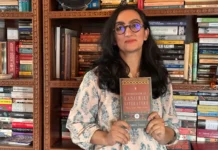
Tahir Kamran’s new book offers an ambitious and nuanced exploration of Pakistan’s complex history, examining the intricate interplay between geography, culture, and politics, writes Muhammad Nadeem
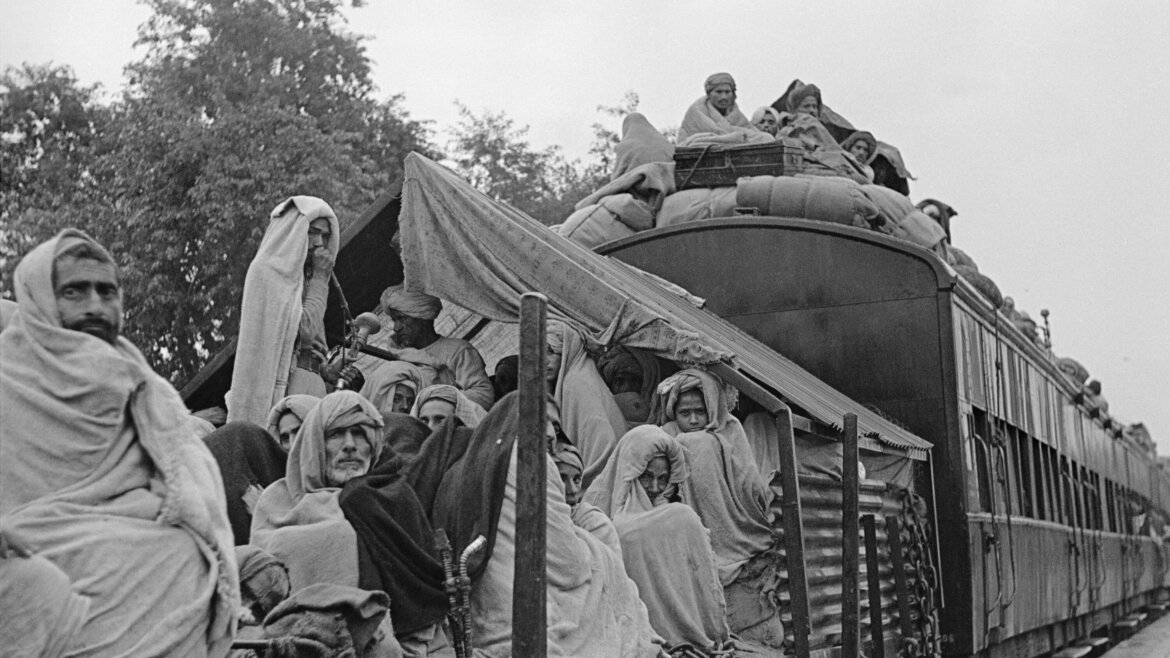
Tahir Kamran’s Chequered Past, Uncertain Future: The History of Pakistan, published by the Speaking Tiger Books, aims to provide a comprehensive historical account of Pakistan from ancient times to the present. It makes a concerted effort to situate Pakistan’s history within a broader regional and global context, tracing the evolution of the region from the Indus Valley Civilization through the Aryan migrations, the rise of Buddhism, and into the modern era.
The book attempts to challenge simplistic narratives about Pakistan’s history by arguing against the tendency to begin Pakistan’s story with the arrival of Islam in the region. “Since the 1980s, Pakistan’s early history has been excluded from textbooks, and the national narrative of the country’s history has focused on Muhammad bin Qasim’s arrival in Sindh in 711 CE,” the author notes. By pushing back against this narrow framing, Kamran provides a more complex understanding of the cultural and historical forces that have shaped modern Pakistan.
The author’s discussion of the Indus Valley Civilization is particularly insightful. He details the sophisticated urban planning, trade networks, and cultural achievements of this ancient society, demonstrating that the roots of South Asian civilization run far deeper than is often acknowledged in popular discourse.
Kamran explores the tensions between geography and history in shaping Pakistan’s identity: “The importance of geography as a determinant of Pakistan’s history has always been contested.” This framing allows for an intricate discussion of how Pakistan’s position at the crossroads of South Asia, Central Asia, and the Middle East has influenced its cultural and political development.
The author’s treatment of the Gandhara civilization is impressive, suggesting the region’s role as a cultural melting pot and centre of Buddhist learning. By emphasising this often-overlooked chapter in the region’s history, Kamran challenges readers to reconsider their assumptions about Pakistan’s cultural heritage.
Throughout the book, Kamran grapples with the complex interplay of various cultural, religious, and political forces in shaping Pakistan’s history: “Pakistan is a plural polity underpinned by multifarious sociocultural layers.”
Muslim Political Consciousness
The book provides a detailed examination of the rise of Muslim nationalism in British India and the events leading to the partition. The author traces the evolution of Muslim political consciousness from the aftermath of the 1857 uprising to the demand for a separate Muslim state in 1940.

The Muslim nationalism in India, his argument is emerged as a response to three key factors: British colonialism, Hindu majoritarianism, and the broader Indian nationalist movement. He posits that the Muslim elite, concerned about their minority status, sought to preserve their distinct cultural and religious identity. This led to the formation of organizations like the All-India Muslim League in 1906.
The author presents a layered view of the colonial period, drawing attention to both the exploitative aspects of British rule and the modernising influences it brought. For instance, he discusses how the East India Company’s “military fiscalism” and profit maximisation led to devastating events like the Bengal famine of 1770-72. Besides, he acknowledges the role of British-established institutions like Fort William College in developing modern Indian languages like Urdu.
A key strength of Kamran’s analysis is his attention to the complex interplay between religious identity and political mobilisation. He examines how reformist movements like the Faraizi movement led by Haji Shariatullah and the militant response of figures like Titu Mir shaped Muslim political consciousness. The book argues: “The origins of Muslim nationalism in northern India, where Muslims were a minority, can be traced back to the post-1857 reform period. Initially, this nationalist sentiment was manifested through reforms, but it eventually gave rise to exclusionary attitudes in the late nineteenth century.”
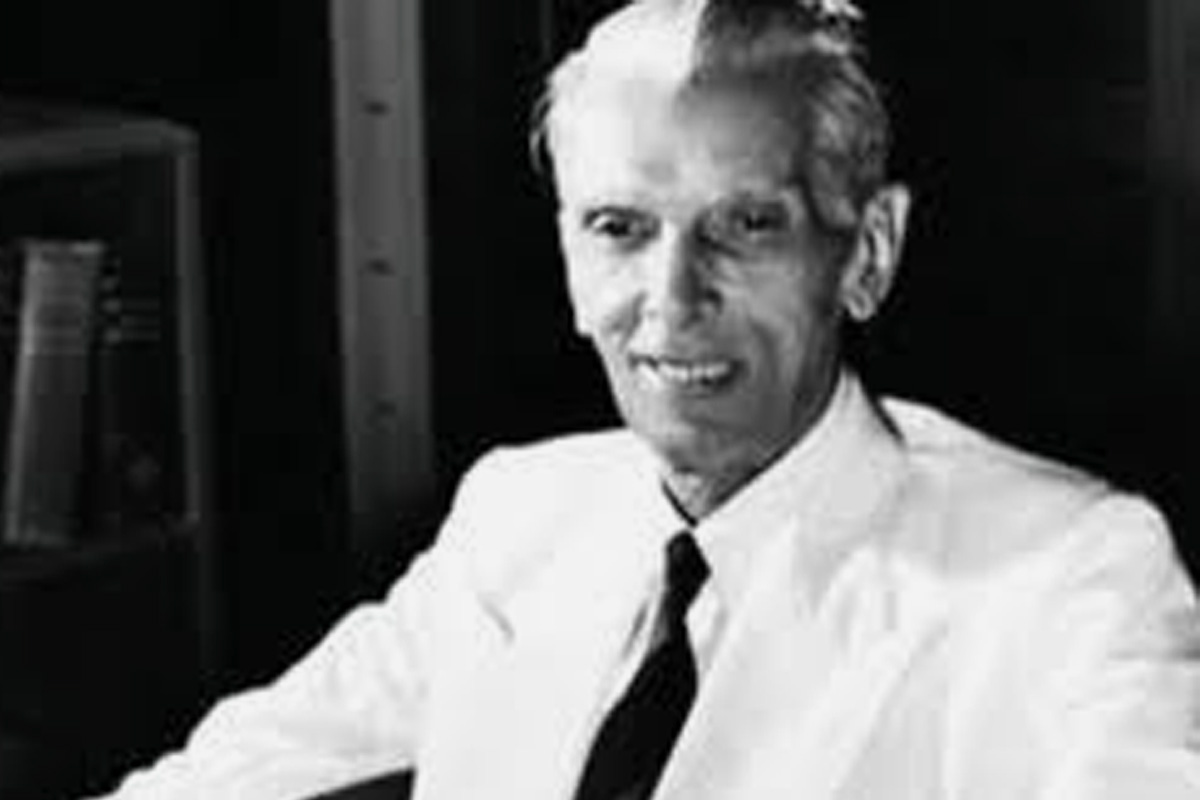
Kamran provides a detailed account of the pivotal role played by key figures like Sir Syed Ahmed Khan, Muhammad Ali Jinnah, and Allama Muhammad Iqbal in shaping Muslim political thought. He presents Jinnah’s evolution from an “ambassador of Hindu-Muslim unity” to the proponent of a separate Muslim state as a response to the changing political landscape and perceived marginalisation of Muslim interests.
The author’s analysis of the Lahore Resolution of 1940 and Iqbal’s Allahabad address of 1930 offers insights into the intellectual foundations of the Pakistan movement.
One of the strengths of Kamran’s analysis is his attention to the economic and social factors that influenced political developments. He discusses how land revenue systems like the Permanent Settlement and the Ryotwari system impacted different communities and contributed to social tensions.
The book also examines the role of symbolic politics, particularly in the context of Gandhi’s approach to the untouchables and the use of Hindu imagery by the Congress party. These actions, he argues while aimed at internal cohesion within Hindu communities, often widened the cleavage between Hindus and Muslims.
Struggle for Stability
Kamran details the challenges faced by Pakistan in its early years following partition in 1947. He explores several key themes, including the enduring impact of the colonial legacy on Pakistan’s political and administrative structures, the massive refugee crisis and subsequent rehabilitation efforts, the economic and financial difficulties that plagued the newly formed nation, the formation of Pakistan’s armed forces, and the contentious partition of Bengal and the fate of Calcutta. By delving into these critical areas, Kamran offers a comprehensive understanding of the complex issues that shaped Pakistan’s early years.
The colonial legacy significantly shaped Pakistan’s early trajectory. “Colonialism is not simply a matter of legacy but of active, immediate and constitutive determinants,” goes the argument. The author contends that Pakistan relied heavily on colonial administrative structures, which hindered democratic development. “Pakistan relied heavily on the ‘colonial state’s methods of bureaucratic control and centralization’ to maintain order and stability. This approach not only perpetuated the legacy of colonialism but limited the scope for democratic governance and public participation.”
The refugee crisis was huge: “According to estimates, around 6.5 million Muslim refugees entered Pakistan, while 5.5 million Hindus and Sikhs left Pakistan, leaving behind all property that could not be easily transferred.” While exploring the government’s efforts to address this crisis, he points out the resistance to refugee resettlement in some areas, particularly Sindh.
Unfair distribution of ‘inheritance’ is another issue that the book tackles. Pakistan inherited only 14 out of 394 textile mills and none of the 106 jute mills. “Pakistan found itself in possession of a mere six armoured regiments, juxtaposed with India’s formidable fourteen,” the book quotes Stephen P. Cohen.
Language, Identity, and Politics
Pakistan’s first post-partition decade focuses on the challenges to democracy and the rise of bureaucratic and military power. While Pakistan was established as a parliamentary democracy, it was also imbued with Islamic ideology, creating a “persistent contradiction in its polity that has hindered its transition to democracy”. This tension between modernist democracy and religious ideology emerges as a recurring issue.
The lack of consensus among political leaders on key issues led to delays in constitution-making and administrative reforms. He contends that “policies formulated by state institutions have failed to reflect the aspirations of the people – a pattern that is perpetuated to this day”.
Kamran provides a subtle look at the complex dynamics between political leaders, the bureaucracy, and the military. He argues that Jinnah’s decision to assume the role of governor-general with extensive powers set a precedent for concentrated executive authority that undermined parliamentary democracy. He writes that “the span of these discretionary powers was extended by another year” and that this practice “continued in subsequent years, as individuals acting in the name of Jinnah regularly invoked these powers”.
Kamran contends that the creation of the position of secretary-general, who controlled the entire government machinery, allowed the bureaucracy to function as a “parallel cabinet” that often bypassed elected officials. He argues this represented a “continuation of the colonial legacy in which political leaders were looked down upon”.
Exploring the Army’s gradual involvement in politics, the book traces its evolution from an apolitical institution to one increasingly engaged in civilian affairs. He cites factors such as the “weak social base of the political leadership” and the Army’s “high standard of training, experience in two world wars, discipline, cohesiveness and organizational skills” as reasons for its growing political role.
The language issue emerges as another critical theme. Kamran argues that the imposition of Urdu as the national language, particularly in East Pakistan, backfired and “led to violent responses”. He sees this as part of a broader centralisation effort that failed to recognise Pakistan’s linguistic and cultural diversity.
Zia’s Vision or Power Play?
Kamran provides a detailed examination of General Zia ul Haq’s dictatorship from 1977 to 1988, but his assessment raises questions about the fairness of his portrayal. Kamran claims Zia used Islam and Islamisation to legitimise his dictatorship, asserting that Zia “set out to establish what he called an Islamic system of government” and used religious rhetoric to justify his hold on power.

Kamran’s account of Zia’s approach to democratic institutions paints a picture of systematic dismantling and consolidation of military rule. He describes how Zia postponed promised elections, issued Provisional Constitutional Orders to grant himself sweeping powers, and established the Majlis-i-Shoora as a rubber-stamp advisory body.
Kamran’s analysis of the geopolitical context of Zia’s rule, particularly the Soviet invasion of Afghanistan and Pakistan’s role in supporting the mujahideen with US backing, highlights the significant external pressures Zia faced. However, Kamran’s argument that Zia’s transformation “from being portrayed by Western media as just another military dictator to a champion of the free world” was merely a product of external support, downplays the strategic acumen Zia demonstrated in navigating these challenges.
Kamran also touches on Zia’s policies toward religious minorities, particularly Christians and Ahmadis, with Kamran arguing that measures like separate electorates and discriminatory ordinances relegated minorities to “second-class citizens.”
Finally, Kamran engages with the debate over the long-term impact of Zia’s policies on Pakistan’s political culture, citing Ayesha Jalal’s argument that Zia presided over the “commercialization of social values and the crass monetization of politics.”
Musharraf’s Paradox
Kamran also critically examines Pervez Musharraf’s tenure as Pakistan’s military ruler. He provides a detailed narrative of Musharraf’s rise to power, his attempts at political re-engineering, and the subsequent impact on Pakistan’s political landscape. His work is both descriptive and analytical, tracing the multifaceted nature of Musharraf’s rule, as well as its implications for Pakistan’s political development.
The book delves into the themes of military dictatorship, political instability, and the challenges of democratisation in Pakistan. He positions Musharraf as a paradoxical figure—both a throwback to the autocrats of the past and a product of contemporary geopolitical pressures. Musharraf’s belief that his military regime was necessary to prevent political chaos is juxtaposed with the broader global trend towards democratisation. Kamran critiques this view by exploring the inherent contradictions in Musharraf’s policies, particularly his attempts to blend authoritarian control with superficial democratic reforms.
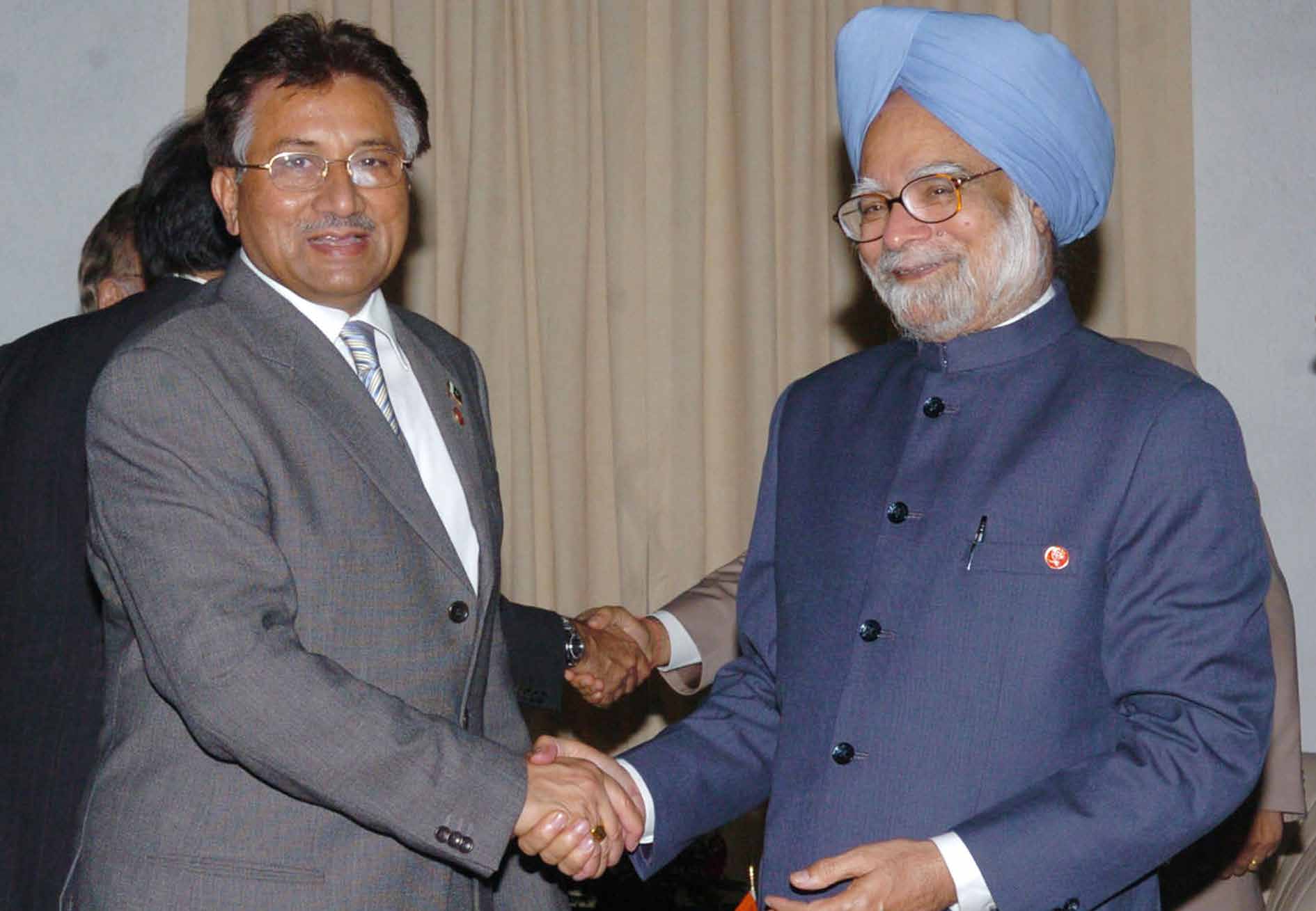
One of the central debates revolves around the legitimacy of Musharraf’s rule. Kamran presents the arguments used by Musharraf to justify his coup, such as the alleged misgovernance of Nawaz Sharif and the necessity to stabilise the country. However, Kamran challenges this narrative by signalling the coercive measures taken by Musharraf to consolidate power, including the manipulation of electoral processes and the suspension of the constitution. The chapter raises critical questions about the efficacy and morality of using autocratic means to achieve purportedly democratic ends.
While Kamran is critical of the undemocratic nature of Musharraf’s rise to power, he also examines the structural issues within Pakistan’s political system that allowed such a takeover to occur. He discusses the weaknesses of civilian governments, including endemic corruption and inefficiency, which provided the military with a pretext to intervene. Kamran argues that Musharraf’s rule, while stabilizing in the short term, ultimately deepened the crises it sought to resolve, particularly by undermining institutional development and entrenching military dominance in politics.
Imran Khan
The book also provides a nuanced exploration of Imran Khan’s political journey, leadership, and challenges as Pakistan’s Prime Minister. Providing a critical examination of Khan’s rise from a sports icon to a significant political figure, the book details his impact on the socio-political landscape of Pakistan.
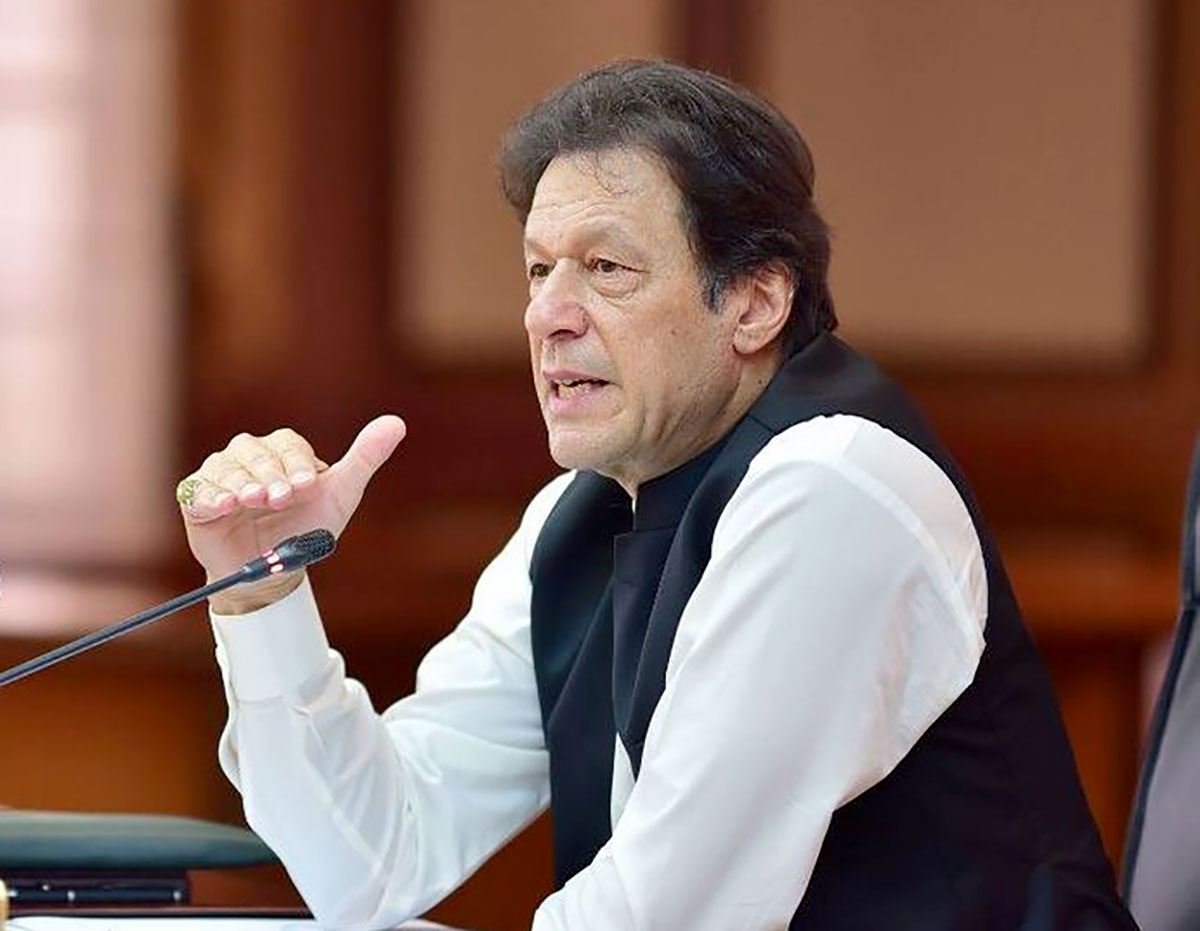
Kamran chronicles Khan’s transition from a cricket legend to a politician, focusing on his struggle to establish the Pakistan Tehreek-e-Insaf (PTI) and his vision of a New Pakistan. Kamran captures the complexities of this transformation, underlining Khan’s charisma, his early failures, and his eventual success in the 2018 elections. The author argues that Khan’s appeal was rooted in his anti-corruption narrative and his promise to dismantle the entrenched political elite, often represented by dynastic families – Bhuttos and Sharifs.
Critically assessing Khan’s handling of Pakistan’s economic crisis, marked by a severe balance-of-payments issue, rising debt, and fiscal instability, the book discusses the measures taken by Khan’s government, such as seeking loans from friendly nations and implementing austerity measures, while also acknowledging the limited success of these policies. While the economic strategies were well-intentioned, they were often inadequate, reflecting a broader structural malaise within Pakistan’s economy.
One of the most contentious aspects of Khan’s tenure, as discussed by Kamran, is his anti-corruption campaign. He critiques the selective nature of this campaign, suggesting that it was often used as a political tool against opposition parties rather than a genuine attempt to cleanse the system.
Kamran also engages with the criticisms levelled against Khan’s government regarding its record on human rights and freedom of expression. He outlines allegations of media suppression, harassment of journalists, and the use of state power to silence dissent.
Khan’s vision of transforming Pakistan into a welfare state, inspired by the Islamic principles of the state of Medina, is discussed with both admiration and scepticism. The book acknowledges the appeal of this vision, especially among Khan’s supporters, but questions its feasibility in a modern, complex socio-political environment.
Kamran provides a balanced analysis of the relationship between Khan and the military establishment. While acknowledging the military’s role in facilitating Khan’s rise to power, the author also explores the tensions that emerged, particularly towards the end of his tenure. Kamran suggests that Khan’s failure to maintain a stable relationship with the military was a significant factor in his eventual ousting, echoing a recurring theme in Pakistan’s political history where civilian leaders struggle to navigate the military’s pervasive influence.
Post-Khan Politics
The book provides a detailed and analytical account of the political instability and regime changes that Pakistan experienced during this period. The chapter is a critical reflection on the constitutional, political, and military dynamics that led to significant shifts in Pakistan’s leadership, with a particular focus on the ousting of Prime Minister Imran Khan.
By acknowledging a historical pattern in Pakistan’s politics where no prime minister has completed a full five-year term without being removed through martial law or presidential orders. However, Kamran calls attention to that Imran Khan’s removal was somewhat different—it was carried out through a constitutional vote of no confidence, despite allegations of foreign conspiracy by Khan. This change, while constitutionally legitimate, was surrounded by controversies and scepticism, especially regarding the involvement of foreign powers and the military’s role in political manoeuvring.
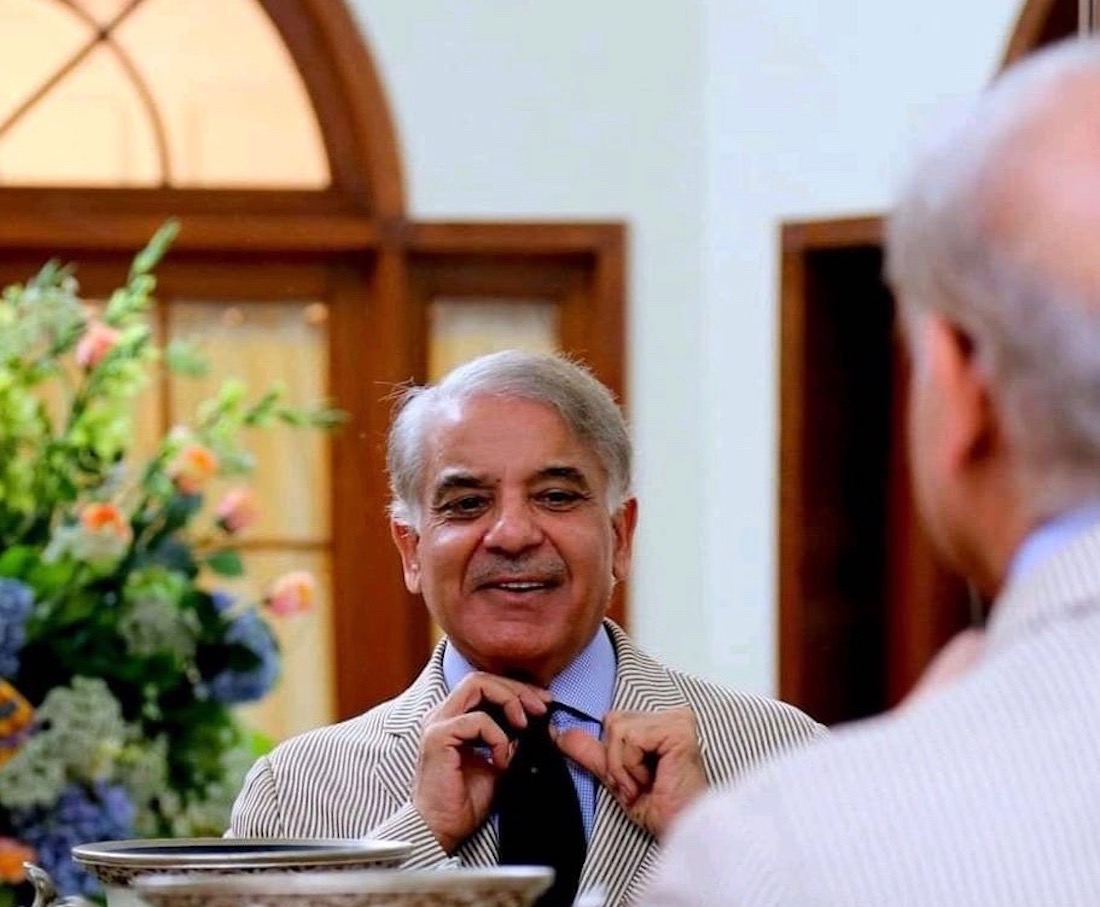
Kamran delves into the role of General Qamar Javed Bajwa, the then-army Chief, whose influence is depicted as both pervasive and damaging. Bajwa’s alleged involvement in lobbying against Khan and manipulating political outcomes is portrayed as an example of the unchecked power wielded by military figures in Pakistan, a recurring theme in the nation’s political narrative.
The author argues that Bajwa’s actions, driven by personal ambitions and a desire to extend his influence, resulted in significant harm to Pakistan’s political institutions and economy. Kamran provides a detailed account of Bajwa’s background, his rise to power, and the controversies surrounding his extension as COAS, which was facilitated by a contentious amendment to the Army Act. This extension, while legally sanctioned, was met with mixed reactions and is critiqued as an overreach of executive power.
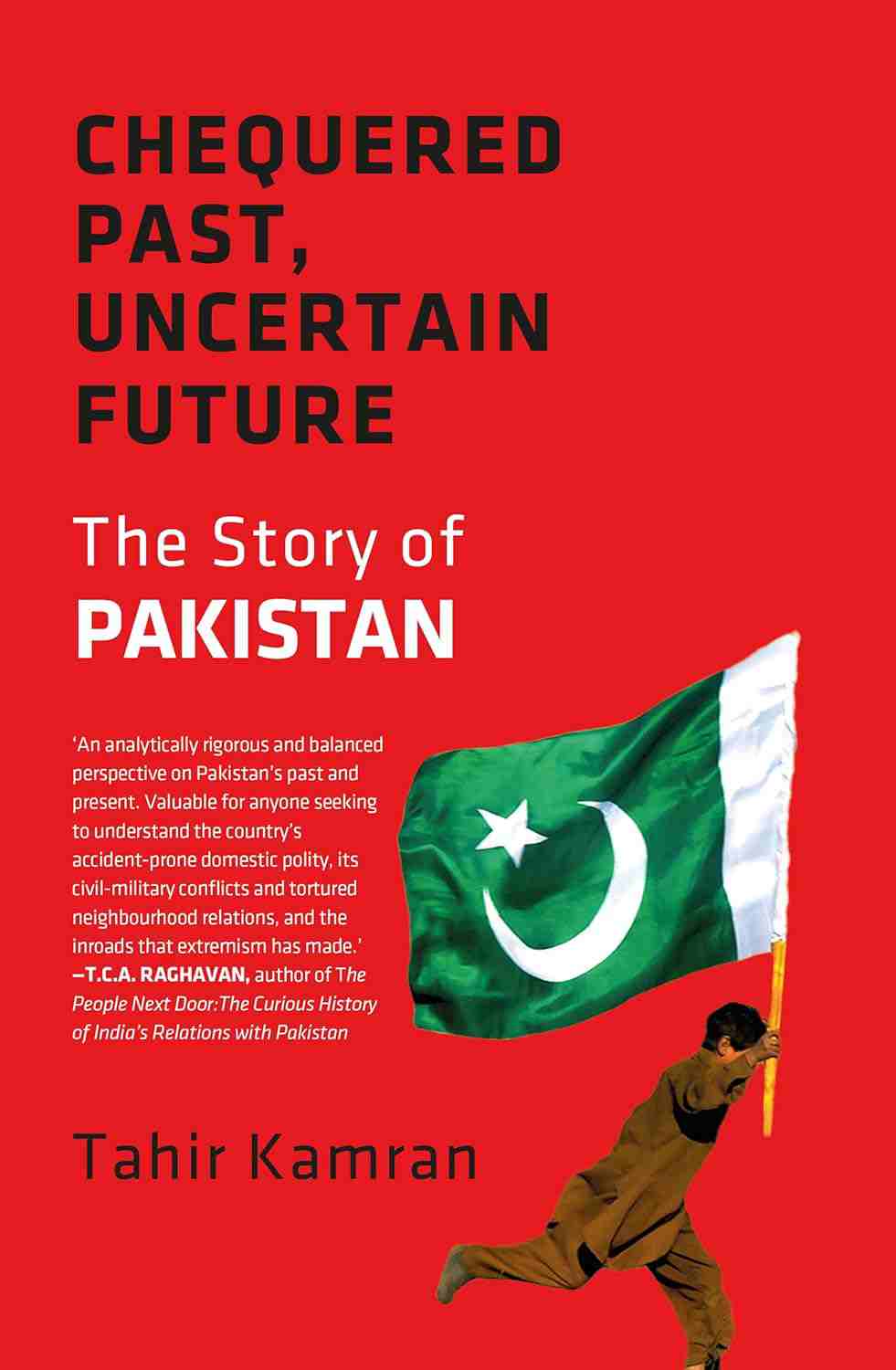
Kamran’s analysis extends to the political dynamics following Khan’s ousting, particularly the challenges faced by Shahbaz Sharif’s government. The chapter critiques the Sharif administration for its failure to stabilise the economy, negotiate effectively with the IMF, and manage the devaluation of the Pakistani rupee. The government’s expansion of the cabinet and its impact on public perception is also discussed, highlighting concerns about governance efficiency and resource allocation.
The contentious political environment, marked by accusations of corruption, selective justice, and the use of state machinery to suppress political dissent is also part of the chapter. The author discusses the legal and political challenges faced by Imran Khan, including his incarceration and the smear campaigns against him. This portrayal of political rivalry and the instrumentalisation of state institutions reflects the broader issues of accountability and transparency in Pakistan’s governance.
Press Freedom
Kamran also addresses the state of press freedom in Pakistan, particularly in the context of Imran Khan’s rallies and the government’s response. The chapter criticises the increasing media censorship and the government’s efforts to suppress dissenting voices, arguing that these actions undermine democratic principles and stifle political discourse. The suppression of media freedom is presented as a critical issue, with the chapter calling for a more open and tolerant approach to journalism and public expression.