by Zikra Tariq
That is the beauty of our women; they orchestrate feasts, yet their labour remains unseen, unnoticed. There is no commotion, no flurry of exhaustion—only the quiet mastery of care.
It begins with anticipation—the quiet thrill of being among those who understand the rhythms of your land. Then, anticipation becomes reality when the invitation arrives. You feign busyness, a polite attempt at restraint, but the schedule they offer leaves little room for refusal. Kashmiris, after all, do not favour unexpected guests; they prefer to be prepared. At the same time, they dislike last-minute cancellations, particularly when arrangements have been made. Ours is a people that has never settled for compromises.
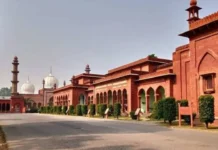
One such day arrived for me in Delhi during Ramadan. The moment had been set, and we rushed to prepare, knowing we had to reach early—especially before sunset—because, first, it was Ramadan, and second, it was simply the proper thing to do.
We were welcomed by familiar faces, our mother tongues forming a gentle cocoon around us. That was the first embrace of home, striking softly yet deeply. The woman of the house, clad in a simple kameez shalwar embroidered with Kashmiri motifs, was another reminder of what we had left behind. And then came the scent of home—the unmistakable aroma drifting from the kitchen, curling through the hallway, whispering that tonight, we belonged.
As Iftar preparations unfolded, the conversation turned to their neighbours, who, of course, were different—the most obvious difference being that they were not Kashmiri. We sat cutting fruit, exchanging exaggerated expressions over the excessive oil in Delhi’s Iftar food, conveniently forgetting our unwavering loyalty to rice. That, we never question. And so, for dinner, we had rice.
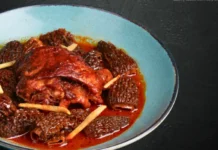
The waves of home washed over us as the first bowl appeared—haakh, the beloved Kashmiri spinach, followed by dodhi-raas, a rich mutton and milk curry. By then, we were full, but in our culture, no meal is truly complete without nun chai. Salted, pink, and essential, it is said to sharpen the mind and relieve the body of fatigue. And really, how does a Kashmiri function without nun chai?
We sipped the tea, only to be coaxed into eating roti alongside it. Though we had just finished a meal, the lady of the house insisted, her argument firm: we were still young; we could eat it all. It was an argument rooted in love—a love only a Kashmiri can understand. Perhaps it was excessive, perhaps even unreasonable, but love often is. Roti, for many of us, is not a meal but a companion to tea, a modest indulgence. But before judgment is passed, let it be remembered—we are people of the mountains.
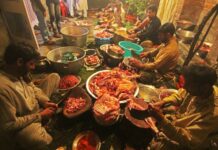
One course followed another, effortlessly, seamlessly. That is the beauty of our women; they orchestrate feasts, yet their labour remains unseen, unnoticed. There is no commotion, no flurry of exhaustion—only the quiet mastery of care.
The night was not yet over. There was still pheri—our tradition of a post-dinner walk—before retreating to bed. By ten o’clock, we had finished eating. It felt like home in every way. The household retired for the night, while we, left without distraction, wondered what to do. At this hour, we would have barely been done with dinner back home.
Sehri arrived familiarly—less of a waking and more of a pretence, for sleep had eluded us. The meal mirrored the night before; the same dishes were served again, a fresh pot of rice prepared. This time, however, there was an addition: a conversation, one that would complete the illusion of home. No Kashmiri gathering is truly whole without politics. And so, we dissected the news from our land, unravelling its many strands, deliberating over every version until we arrived, as we always do, at the inevitable conclusion:
“Khoda kare sahle”—May Allah make it easy for us.
Morning came with the usual departure debate, though we won it in the end. We left because staying too long risked unsettling a fragile truth. Feeling too much of home, in a place that was not home, would have only deepened the ache of longing.
(The author is an undergraduate student in Delhi. Ideas are personal.)