by Ruhail Maqbool Sheikh
If rivers and lakes continue to be treated as dumping grounds, we will surrender health, livelihoods, and the future of our children.
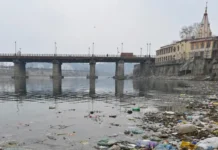
Kashmir, long celebrated as Paradise on Earth, is facing a grave reality. Its rivers, streams, and lakes, once lifelines of culture, heritage, and livelihood, are under assault. The dumping of rotten meat into these waters has not only provoked disgust but also raised urgent alarm. This is not a routine pollution case; it is an ecological and public health emergency that reminds us that neglect of nature always exacts a price.
Water is the soul of Kashmir. From Dal Lake to Doodhganga, from the Jhelum to countless springs that quench the valley’s thirst, every drop sustains life. But what happens when these waters are poisoned, deliberately or carelessly? The result is already visible: polluted streams, dead fish, foul odours, and the gradual destruction of a fragile ecosystem.
When meat rots in water, it decomposes quickly. This process releases toxins and harmful bacteria such as E. coli and Salmonella, creating the risk of waterborne disease. It produces ammonia and nitrogen compounds that strip oxygen from the water, suffocating aquatic life. It leaves behind foul smells and foul tastes that make water unfit for drinking even after treatment.
The damage does not remain on the surface. Pollutants seep into the soil, poisoning groundwater on which rural communities depend. The crisis spreads silently through Kashmir’s interconnected water systems.
Access to safe drinking water is already a challenge across parts of Kashmir. The dumping of rotten meat deepens this crisis. Polluted water can trigger outbreaks of diarrhoea, cholera, and dysentery, as well as long-term illnesses such as kidney and liver damage. The most vulnerable are children and the elderly.
Rural hospitals lack the resources to cope with such emergencies. A rise in waterborne disease could easily overwhelm fragile health infrastructure. What makes the situation tragic is that it is entirely preventable if only waste were managed with care.
Kashmir’s rivers and lakes host diverse fish, plants, and microorganisms. Rotten meat dumped into them disturbs this balance. Fish populations decline as oxygen levels fall. Nutrient-rich polluted water fuels algal blooms that further suffocate life. Migratory birds, dependent on fish and aquatic plants, face food shortages.
The chain reaction is devastating. A few discarded scraps of meat can weaken entire ecological webs. Biodiversity, already pressured by climate change and rapid urbanisation, suffers further damage that the valley cannot endure.
In Kashmir, water is not merely a resource; it is sacred. Springs and streams have long been bound to spiritual and cultural life. Dumping rotten meat into these waters is not only an environmental crime but also a cultural affront.
It reveals a dangerous estrangement between people and nature, where convenience outweighs survival. It is also an ethical challenge. How can a society knowingly poison the very water that gives it life? What legacy does this leave for future generations if rivers are treated as refuse pits rather than lifelines?
The crisis demands immediate action on several fronts. Authorities must enforce strict monitoring of waste disposal. Offenders should face fines, penalties, and legal consequences without compromise. Communities must be educated that waste disposal directly affects their own drinking water. Grassroots campaigns can shift attitudes.
Infrastructure must be strengthened. Modern slaughterhouse facilities, composting units, and waste-to-energy plants can transform organic waste into resources rather than pollutants. Civil society, activists, and environmental groups must keep the issue alive and ensure that it does not fade from view.
Cleaning polluted rivers and lakes is difficult but achievable. Community-led clean-up drives, stricter monitoring of waste management, and scientific methods such as aeration or bio-remediation can restore water quality.
Above all, the dumping of rotten meat must be treated as a serious environmental crime. Enforcement must be matched with awareness. Schools, mosques, and community gatherings can reinforce the message that water is a shared and sacred trust.
As someone who has worked in water testing, awareness campaigns, and waste management, I have seen how fragile Kashmir’s waters are. A single careless act, whether throwing plastic, draining sewage, or dumping meat, unleashes ripples of destruction.
Yet I have also witnessed how small acts of care create ripples of hope, from cleaning springs and planting trees to spreading awareness among children. The struggle to protect Kashmir’s waters is not only scientific, it is cultural, emotional, and moral. To guard water is to guard our health, our heritage, and our very survival.
The sight of rotten meat drifting in Kashmir’s waters is shocking, but it must also awaken us. Nature warns us that what we pollute today will return to us tomorrow. If rivers and lakes continue to be treated as dumping grounds, we will surrender health, livelihoods, and the future of our children.
This is the time to act. To conserve. To respect. To restore. Because water is life, and poisoning it is poisoning ourselves.
(The writer is a contractual water quality analyst with over thirteen years of experience and more than seventy professional certifications. Recognised as a Water Hero and Water Warrior of Kashmir, he has received national and local awards for his work in safeguarding water quality and public health. Ideas are personal.)